In This Guide
- The Core Answer: Swimming Skills vs. Water Comfort
- The Non-Swimmer's Snorkeling Toolkit: Your Safety Net
- Choosing Your Battlefield: Where to Snorkel as a Beginner
- The Step-by-Step Game Plan for Your First Time
- When a Guided Tour is a Brilliant Idea (And When It's Not)
- Addressing the Big Fears (The FAQ in Your Head)
- The Verdict: So, Do You Really Need to Know Swimming to Snorkel?
Let's be real. You've seen those stunning Instagram photos—crystal clear water, colorful fish, someone floating effortlessly with a snorkel. It looks magical, peaceful, easy. Then the doubt creeps in. You think, "I'd love to try that... but wait, do I need to know swimming to snorkel?" Your mind races. What if I panic? What if I sink? What if the current takes me? It's the number one question holding back so many people from experiencing the underwater world, and honestly, it's a fantastic question to ask before you even think about buying a ticket.
I remember my first time. I was on a trip to Hawaii, full of excitement and equal parts terror. I could doggy-paddle in a pool, but that was about it. The ocean? A whole different beast. I stood on the beach, mask in hand, watching others glide out, and my main thought was, "Do I need to know swimming to snorkel well enough to not make a fool of myself or, worse, drown?"
 Here’s the thing. The answer isn't a simple yes or no.
It's more of a "it depends, but here's how you can do it safely and enjoyably anyway." Anyone who gives you a flat "no" is being irresponsible. Anyone who says an absolute "yes" is gatekeeping and shutting out a world of wonder. The truth lives in the messy, practical middle. This guide is for everyone who's ever asked, "Do I need to know swimming to snorkel?" We're going to break it down, strip away the fear, and give you a real, actionable plan.
The Core Answer: Swimming Skills vs. Water Comfort
Let's get to the heart of it. You don't need to be Michael Phelps. You don't need a perfect freestyle stroke or the ability to swim a mile. What you absolutely cannot do without is a basic level of comfort and confidence in the water. This is the non-negotiable foundation.
Think of it this way: swimming is a skill. Comfort is a feeling. You can work on the feeling even if the skill is rusty. If the thought of putting your face in the water makes you hyperventilate, we need to address that first, before we even talk about snorkels. But if you're okay being in the water, can float a bit, maybe tread water for a minute, and don't panic when a little wave splashes your face, you're in a much better starting position.
The Key Distinction: Strong swimming skills are for managing unexpected situations—a sudden current, getting tired far from shore, helping a buddy. Basic water comfort is for enjoying the planned, controlled activity of snorkeling in a safe, designated area. Your goal as a non-swimmer or beginner is to never let the situation become "unexpected."
The Non-Swimmer's Snorkeling Toolkit: Your Safety Net
If you're asking "do I need to know swimming to snorkel," you're likely thinking you're at a disadvantage. Flip that script. Your advantage is knowing your limits and preparing for them. This is your arsenal.
Top Tier: The Absolute Essentials
These aren't just accessories; they're your primary flotation and safety devices.
- A High-Quality Snorkel Vest (or Flotation Belt): This is your best friend. Not a bulky orange life jacket, but a slim, adjustable vest you can inflate with your mouth or a CO2 cartridge. It keeps you positively buoyant with zero effort. You can float vertically and breathe normally, even if you never move a muscle. It's a confidence game-changer. Many tour operators provide them—insist on using one.
- A Full-Face Snorkel Mask (The Controversial One): I have mixed feelings here. For a complete beginner terrified of the traditional snorkel, a full-face mask lets you breathe naturally through your nose and mouth. It feels safer. But. They have known issues with CO2 buildup if not designed perfectly, and clearing water from them is different. If you use one, get a reputable brand, ensure it seals perfectly, and always be mindful. For many asking "do I need to know swimming to snorkel," this mask gets them in the water. Just be informed.
- Properly Fitted Mask and Separate Snorkel: The classic setup. A mask that doesn't fog or leak removes a huge point of frustration. A dry-top snorkel prevents water from entering when you go under. Practice in a pool first.
Secondary Gear for Extra Confidence
- Swim Fins (Flippers): Their main benefit for you isn't speed; it's efficiency. A small, gentle kick with fins propels you easily, conserving energy. They also help keep your legs up near the surface.
- A Pool Noodle or Kickboard: Don't laugh. On a calm day in shallow water, holding a noodle under your arms is an instant, cheap flotation aid. It works.
- Water Shoes: For entering from rocky shores. Stability matters when you're nervous.
| Gear | Primary Benefit for Non-Swimmers | Key Consideration |
|---|---|---|
| Snorkel Vest | Provides permanent, effortless flotation. Eliminates fear of sinking. | Must be properly fitted and inflated. Not a substitute for vigilance. |
| Full-Face Snorkel Mask | Eliminates the "breathing through a tube" anxiety. Feels more natural. | Research CO2 safety. Can be harder to clear if flooded. Choose reputable brands. |
| Traditional Mask & Snorkel | Reliable, time-tested. Easy to clear. No CO2 concerns. | Requires getting used to mouth breathing. Practice clearing the snorkel. |
| Swim Fins | Minimal effort for movement. Helps with stability and direction. | Can feel awkward at first. Use flexible, shorter fins for beginners. |
Choosing Your Battlefield: Where to Snorkel as a Beginner
Location is everything. Trying to snorkel off a windy, deep, current-swept point is a disaster waiting to happen, even for good swimmers. Your mission is to find what I call "training wheels" environments.
The perfect beginner spot has three things: calm, shallow, and enclosed water. Think lagoons, protected bays, or specific sandy beach entries with a nearby reef.
Here’s a quick comparison of environments:
- The Winner (Lagoon/Protected Bay): Often at resorts or specific geographic locations. Water is waist-to-chest deep for a long way out, waves are minimal, current is negligible. You can stand up almost anywhere. This is where you build confidence. Example: Molokini Crater's inner side (on a calm day), many Caribbean resort lagoons.
- The Good Option (Sandy Beach Entry): A gently sloping sandy beach with a reef a short swim away. You can wade in, get comfortable, and swim a short distance to the action. Always check conditions first.
- The "Absolutely Not" Zone: Rocky cliff entries, areas with known strong currents, places requiring a boat drop into deep water with no easy exit, or anywhere with big surf. Just don't.
Do your research. Read recent reviews on TripAdvisor specifically mentioning conditions for beginners or non-swimmers. Look at photos of the shore. This step alone answers a huge part of the "do I need to know swimming to snorkel" dilemma—you don't need as much skill if the environment is forgiving.
The Step-by-Step Game Plan for Your First Time
Okay, you have your gear, you've picked a placid spot. Now what? This is your script. Follow it.
Step 1: The Pool or Shallow Sandbar Rehearsal. Never, ever try gear for the first time in the ocean. Rent a pool for an hour or find a calm, shallow, sandy-bottomed area in the sea. Put on your vest, inflate it. Put on your mask (spit in it, rinse it—it prevents fogging). Practice breathing face-down in the water while holding onto the side or just standing. Feel the buoyancy of the vest. Practice putting your face in and lifting it out. Get bored with it. Boredom is the opposite of panic.
Step 2: The Flotation Test. Let go of the edge. Just float there on your stomach, breathing through the snorkel. Don't try to go anywhere. Your vest is working. Feel it. Flip onto your back. Can you float comfortably? Good. This is your safe reset position.
Step 3: The Gentle Propulsion. Now, add a slow, relaxed flutter kick with your fins. Look down at the sand or pool bottom. Move around a little. Keep your breaths deep and steady. If water gets in your snorkel, don't jerk up. Blow a sharp burst of air through the tube to clear it (this is the number one skill to practice).
Step 4: The Ocean Entry (Game Day). Walk in from the beach until you're about chest-deep. Repeat Steps 1-3. Get comfortable in the new environment. Then, and only then, slowly make your way to where the fish are. Stay parallel to the shore, never swimming straight out. Have a buddy who knows your comfort level.
See? It's a process, not a plunge.
When a Guided Tour is a Brilliant Idea (And When It's Not)
For someone grappling with "do I need to know swimming to snorkel," a good tour can be a godsend. A good tour.
A reputable operator will provide quality flotation vests, give a thorough safety briefing, take you to a site appropriate for all skill levels, and have multiple guides in the water watching the group. They handle the logistics, you focus on breathing and looking at fish. Look for tours that explicitly cater to beginners or families. Read reviews that say "the guides were incredibly patient with nervous snorkelers."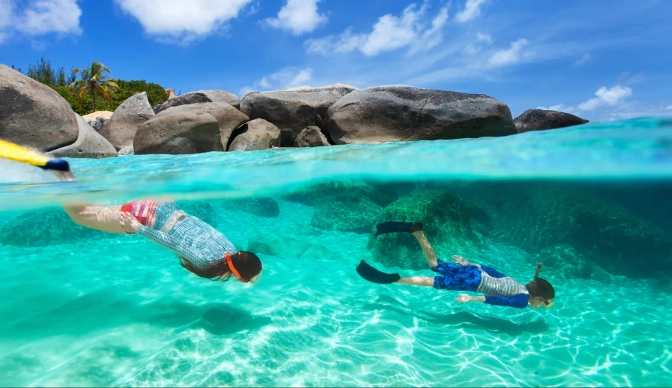
The Red Flags: Avoid any tour that rushes the briefing, doesn't mandate flotation devices, takes a mixed-ability group to a site with current, or has one guide for 30 people. I've been on a bad one where they basically threw us in and hoped for the best. It was stressful and unsafe. Ask questions before you book: "What flotation do you provide?" "Is the site suitable for someone with limited swimming experience?"
Organizations like PADI (Professional Association of Diving Instructors) often have snorkeling-specific programs and guidelines for their affiliated centers, which can be a marker of professionalism.
Addressing the Big Fears (The FAQ in Your Head)
Let's talk through the specific worries that make you ask, "Do I need to know swimming to snorkel?"
This is the core fear. The vest is your first defense—it keeps your head above water even if you stop everything. With a traditional snorkel, if you get water in the tube, you simply blow it out. It's a practiced motion. If you need air now, you simply lift your head. It feels instinctive because it is. Practice the motion of lifting your head and taking a big breath of air in a pool until it's automatic.
You avoid currents by choosing your location wisely. If you're on a boat tour, they anchor in a current-free area. If you feel any pull, swim perpendicular to the current (parallel to the shore) to get out of it, or signal for help immediately. Your vest keeps you afloat while you figure it out.
You clear it. Press the top of the mask to your forehead, look slightly down, and exhale sharply through your nose. The water is forced out the bottom. Practice this in waist-deep water a dozen times. It becomes easy.
In a good beginner spot, often yes. But a pro tip: try not to. Standing on coral kills it and stirs up sand. Your goal is to be self-sufficient in the water column. But knowing the bottom is right there is a huge psychological comfort.
The Verdict: So, Do You Really Need to Know Swimming to Snorkel?
Let's circle back. The most honest answer to "do I need to know swimming to snorkel" is this: You need enough water comfort to not panic, and you must use every tool and tactic to compensate for a lack of strong swimming skills. It's about risk management.
Can you have a safe, enjoyable experience without being a swimmer? Absolutely, yes. Thousands do it every year. But they do it by following the rules we've laid out: vest, calm location, practice, and a humble respect for the ocean.
The ocean doesn't care about your confidence. It's a force of nature. Resources like the National Oceanic and Atmospheric Administration (NOAA) rip current safety page are invaluable for understanding hazards, even for snorkelers.
Snorkeling is about floating, breathing, and observing. It's not a swimming race. Master the floating and breathing part first, and the observation becomes pure joy.
My final take? If the question "do I need to know swimming to snorkel" is holding you back, don't let it be a full stop. Let it be the starting point for smarter preparation. Get a vest. Book that beginner-friendly tour to the calm lagoon. Practice in a pool. You might just discover that the underwater world has been waiting for you all along, and all you needed was the right approach to get there safely.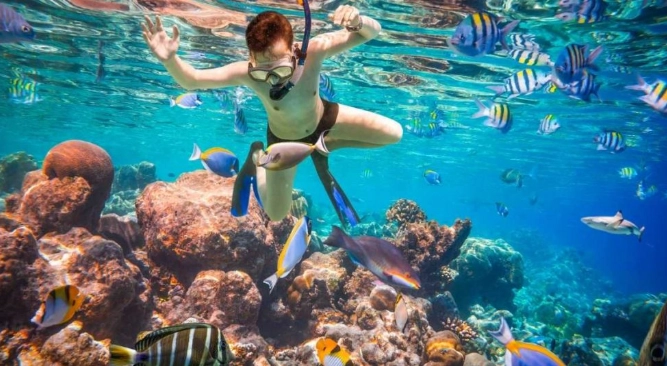
Go on. Take that first step on the sand. The fish are pretty cool, I promise.
Reader Comments