Let's be honest. There's nothing worse than being in the middle of a breathtaking coral reef, surrounded by colorful fish, and all you can think about is the burning, raw feeling on your face. That's chafing from a snorkel mask for you. It can turn a dream trip into a real hassle.
Quick Guide
- Why Does My Snorkel Mask Cause Chafing?
- Choosing the Right Mask: Your First Line of Defense
- Prevention is Better Than Cure: Your Pre-Snorkel Routine
- Oh No, It's Happening! Quick Fixes for On-the-Spot Chafing
- Healing and Soothing Irritated Skin After Snorkeling
- Addressing Your Specific Concerns: Common Q&A
- Building Your Long-Term, Chafe-Free Kit
I remember my first few times snorkeling. I was so excited I just grabbed a cheap mask from a tourist shop. Big mistake. After about twenty minutes, the skin around my nose and temples felt like it had been rubbed with sandpaper. I spent the rest of the day applying aloe vera instead of enjoying the water. Sound familiar?
If you've ever experienced this, you're not alone. It's one of the most common complaints among snorkelers, from beginners to seasoned pros. But here's the good news: it's almost entirely preventable. This isn't just about slapping on some cream. It's about understanding why it happens and making a few smart choices with your gear and routine.
Why Does My Snorkel Mask Cause Chafing?
It feels personal, like the mask is out to get you. But it usually boils down to a few simple, fixable issues. Understanding these is the first step to solving the problem.
The Main Culprits Behind the Irritation
Poor Fit is Enemy Number One. This is the big one. A mask that's too tight will dig into your skin with constant, concentrated pressure. A mask that's too loose will slide around, creating friction with every turn of your head. Both lead to chafing. The skirt (the soft part that seals against your face) should create a seal without needing the strap to be cranked down super tight.
Material Matters More Than You Think. Not all silicone is created equal. Cheap masks often use lower-grade, stiffer silicone that feels plasticky and abrasive. Higher-quality masks use softer, medical-grade or hypoallergenic silicone that molds to your face like a second skin. Some people even react to the chemicals used in processing cheaper silicone.
Debris and Grit are Sneaky. Sand, sunscreen, salt crystals, or even tiny manufacturing residues on a new mask can act like sandpaper between the skirt and your skin. You'd be surprised how much irritation comes from just a few grains of sand caught in the seal.
Salt, Sun, and Friction: The Triple Threat. Think about it. You're in saltwater, which is drying. You're in the sun, which can make skin more sensitive. And you're moving your head, talking, clearing the mask—all creating motion. It's the perfect storm for chafing from your snorkel mask.
Choosing the Right Mask: Your First Line of Defense
You wouldn't buy shoes without trying them on, right? A snorkel mask is the same. Preventing chafing starts in the shop (or before you click "add to cart").
Key Features to Look For
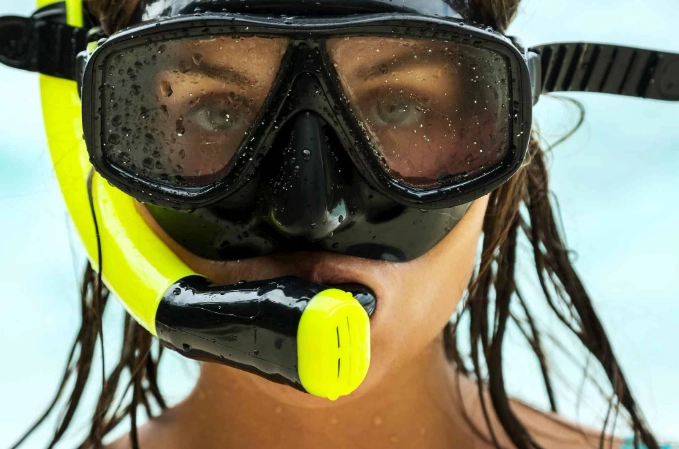
Skirt Material and Design: Look for masks that explicitly mention "soft silicone," "hypoallergenic silicone," or "double-feathered skirt." A feathered edge is thinner and more flexible, designed to conform better to facial contours without needing excessive pressure. Some high-end masks even use clear silicone, which is often softer than black.
Fit is Everything: The old-school test still works. Place the mask on your face without using the strap. Inhale gently through your nose. The mask should suction to your face and stay put for a few seconds without you holding it. If it falls off immediately, the volume or shape is wrong for your face. Try different models—low-volume masks often fit more people better.
Frame and Skirt Construction: A frameless mask, where the skirt is bonded directly to the lens, is often more flexible and can contour to unique face shapes better than a rigid framed mask. It's a popular choice for comfort.
Here’s a quick comparison of common mask skirt materials:
| Material Type | Feel & Comfort | Durability | Best For | Potential for Chafing |
|---|---|---|---|---|
| Standard Silicone | Firm, can feel sticky when new | High | General use, budget options | High (if fit is poor) |
| Medical/Soft Silicone | Very soft, pliable, skin-like | High | Sensitive skin, long sessions | Low |
| Liquid Silicone | Ultra-soft, almost gel-like | Moderate (can tear easier) | Maximum comfort, delicate skin | Very Low |
| PVC/Rubber (Old School) | Stiff, requires breaking in | Varies | Very limited—mostly vintage gear | Very High |
My personal rule? I avoid any mask where the skirt feels stiff or has a strong chemical smell right out of the box. That smell often means cheaper materials and more potential for irritation.
Prevention is Better Than Cure: Your Pre-Snorkel Routine
Okay, you've got a good mask. Now let's make sure it stays comfortable. A little prep goes a long, long way in preventing chafing from your snorkel mask.
Preparing Your Mask
Clean a New Mask Thoroughly. Manufacturers often coat masks with a protective film or release agent to get them out of the molds. This stuff is terrible for your skin. Use a mild toothpaste (non-gel, non-whitening) and your fingers to scrub the entire skirt, inside and out. Rinse extremely well. Some people use a gentle dish soap. The goal is to remove any residues.
Condition the Silicone. This is a game-changer, especially for stiffer skirts. After cleaning and drying, rub a tiny amount of pure silicone lubricant (sold at dive shops) or even 100% pure food-grade silicone spray onto the skirt. Wipe off the excess. This keeps the silicone supple and can reduce the initial "stickiness" that causes friction. Don't use petroleum-based products like Vaseline—they degrade silicone over time.
Preparing Your Skin
The Sunscreen Dilemma. This is huge. Oily or greasy sunscreens create a slippery layer that breaks the mask's seal, causing you to overtighten it. They can also degrade the silicone. The solution? Use a reef-safe, mineral-based sunscreen (zinc oxide/titanium dioxide) and let it absorb completely—at least 15-20 minutes—before putting on your mask. Better yet, use a rash guard or hat for sun protection on your face where the mask seals.
Create a Protective Barrier. For areas prone to chafing (especially the forehead and cheekbones), applying a thin layer of a skin-compatible product can work wonders. Divers have sworn by these for decades:
- Dive-specific mask seal gels: Products like Sea Buff or Mask Seal are designed for this. They're water-soluble, won't hurt the mask, and provide a slick, protective layer.
- Natural alternatives: A very thin smear of coconut oil or aloe vera gel (let it dry slightly) can help. Test this first on a small area of skin to ensure no reaction.
- What to avoid: Heavy ointments (like petroleum jelly) or thick creams. They'll ruin the seal and your mask.
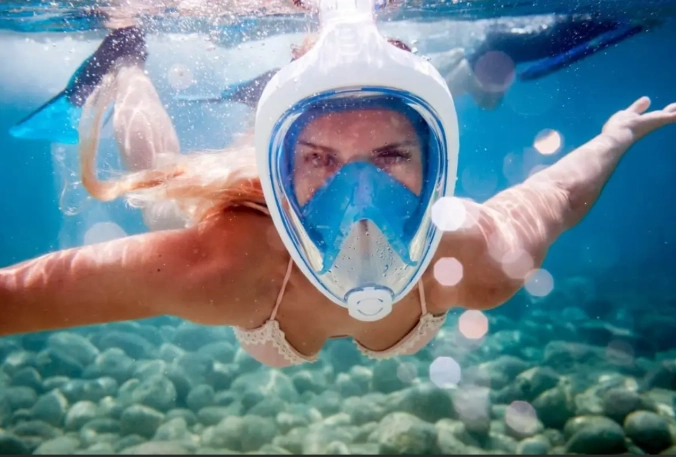
Putting the Mask On Correctly
This seems basic, but most people get it wrong. Place the mask on your face first, then pull the strap over your head. Don't let any hair get under the skirt. The strap should sit high on the back of your head, not around your neck. It should be snug enough to hold the mask in place if you shake your head, but not so tight that it feels like a vice. You should be able to slip two fingers easily between the strap and your head.
If you feel pressure points immediately, stop. Readjust. Don't just hope it will "break in" during the swim.
Oh No, It's Happening! Quick Fixes for On-the-Spot Chafing
Sometimes, despite your best efforts, you feel that familiar hot sting. Maybe the session is longer than planned, or a current shifted your mask. Here's what to do right then and there.
Stop and Assess. Get to a calm spot, tread water, or hold onto something. Loosen the mask strap immediately. Just a couple of notches can relieve a ton of pressure and stop the friction.
Rinse and Realign. Lift the mask slightly and let fresh water (if available) or seawater flush under the skirt to wash away any trapped grit or salt crystals. Reseat the mask carefully, making sure the skirt isn't folded.
The Temporary Pad Trick. In a real pinch, you can use what you have. A small, soft piece of a kelp leaf (smooth side to skin), or even a bit of wet, soft cloth or a bandana torn into a strip, can be placed between the skirt and your skin on the hotspot. It's a makeshift solution, but it can get you back to shore.
Know When to Call It. If the pain is sharp or the skin feels broken, it's time to get out. Continuing will only make it worse and increase healing time. There's always another day to snorkel.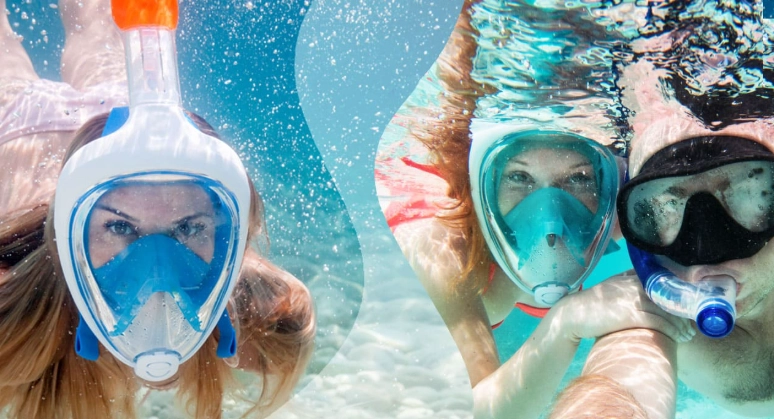
Healing and Soothing Irritated Skin After Snorkeling
You're back on the boat or beach, and the damage is done. The skin is red, maybe a little raw. Acting fast can reduce discomfort and speed up healing.
Immediate Aftercare Steps
Gentle Cleansing is Key. Rinse your face with fresh, cool water to remove all salt and sand. Use a very mild, fragrance-free cleanser. Pat dry—don't rub.
Cool It Down. Apply a cold, damp cloth or a cool compress to the affected areas for 5-10 minutes. This reduces inflammation and soothes the burn.
Moisturize and Repair. Once the skin is dry, apply a healing ointment. My go-tos, backed by dermatological advice from sources like the American Academy of Dermatology (AAD), include:
- Pure Aloe Vera Gel: The cooling, anti-inflammatory properties are perfect for minor chafing. Make sure it's 100% pure, without alcohol.
- Petroleum Jelly (Vaseline): Now it's okay to use! On dry land, it's an excellent occlusive barrier that locks in moisture and protects broken skin. It's a gold standard for wound healing.
- Zinc Oxide Cream: The same stuff in diaper rash creams (like Sudocrem). It's fantastic for soothing raw, irritated skin and creating a protective barrier.
Avoid products with heavy fragrances, alcohol, or "tingling" sensations (like some aftersun lotions), as they will sting.
If It's More Serious...
If the skin is broken, blistered, or showing signs of infection (increasing redness, warmth, pus), keep it clean, covered with a sterile bandage, and consult a doctor. An infection from marine environments (as noted by the CDC's travel health guidelines) can be serious.
Addressing Your Specific Concerns: Common Q&A
Building Your Long-Term, Chafe-Free Kit
If you snorkel regularly, consider assembling a small kit. It makes prevention second nature.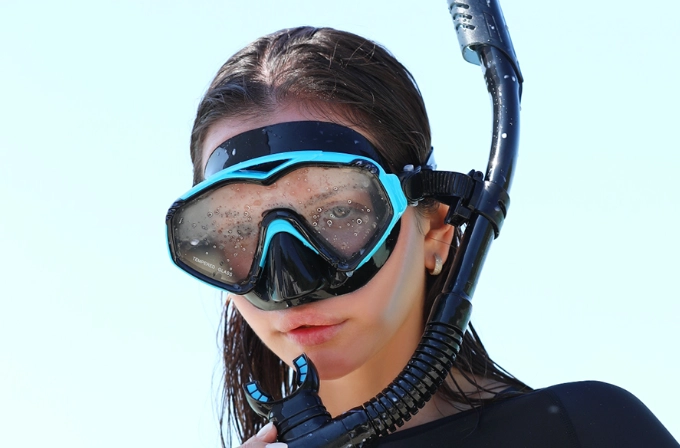
- Your Perfect-Fit Mask: Invest in this. It's worth every penny.
- A Small Tube of Mask Seal Gel: Stays in your gear bag.
- Travel-Size Pure Aloe Vera Gel: For aftercare.
- A Microfiber Cloth: To dry your face and mask gently after rinsing.
- A Silicone Conditioner: For periodic mask care.
Chafing from a snorkel mask is a solvable problem. It's not a rite of passage you have to endure. It comes down to a mindful choice of equipment, a bit of simple preparation, and listening to your skin. The ocean is meant to be enjoyed, not endured through a haze of discomfort. With these tips, you can focus on the turtles and the technicolor coral, not the sting on your face. Now go get that mask fitted—properly.
Reader Comments