Let's be honest. Most articles about neoprene gloves just repeat the same basic points: they're warm, they're for water, buy a pair. If you've ever bought a pair based on that advice and ended up with stiff, leaky, or just plain wrong gloves, you know the feeling. I've been there too, shivering on a dive boat with expensive but poorly chosen gloves.
This guide is different. We're going deep. Forget the fluff. We're talking about how the thickness affects your grip on a spearfishing gun, why the seam placement can ruin a day of kayaking, and the one mistake everyone makes when sizing that guarantees cold fingers. This is the information I wish I had 15 years ago.
What You'll Find in This Guide
Neoprene Thickness Decoded: It's Not Just About Temperature
Ask anyone about thickness, and they'll say "thicker is warmer." True, but incomplete. Thickness is a trade-off between insulation and dexterity. Choosing wrong doesn't just make you cold—it can make your activity unsafe or impossible.
| Thickness | Best For | Water Temp Range | Dexterity Level | Common Pitfall |
|---|---|---|---|---|
| 1mm - 2mm | Summer snorkeling, warm-water surfing, paddleboarding, light kayaking. | 68°F (20°C) and above | High. You can tie knots, operate camera buttons. | Offers almost no thermal protection in cool wind or water. |
| 3mm | Spring/Fall diving, surfing in temperate zones, fishing, sailing, cold-water kayaking. | 50°F - 68°F (10°C - 20°C) | Medium-Good. The sweet spot for most multi-use activities. | Can feel restrictive for fine motor tasks like adjusting a watch. |
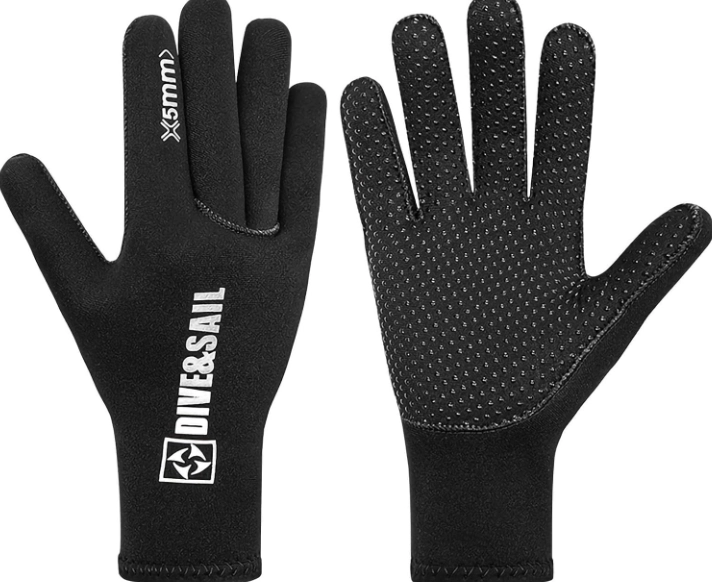
| 5mm | Cold-water diving, winter surfing, ice fishing, extended cold-water immersion. | Below 50°F (10°C) | Low-Medium. You'll lose significant finger feel. | Overkill for anything else. Makes hands sweat in moderate conditions. |
| 7mm | Technical diving in very cold water, commercial fishing in Arctic conditions. | Near-freezing | Very Low. Think mittens with fingers. | Extremely bulky. Often requires specialized "dry" designs. |
Here's the nuance most miss: activity dictates thickness as much as temperature does. A 5mm glove might be right for the water temp, but if you're a photographer needing to change settings, you're out of luck. I once used 5mm gloves for a photography dive in 55°F water. I was warm, but I missed every shot because I couldn't feel the shutter button. Switched to a 3mm with a textured palm the next day—colder, but functional.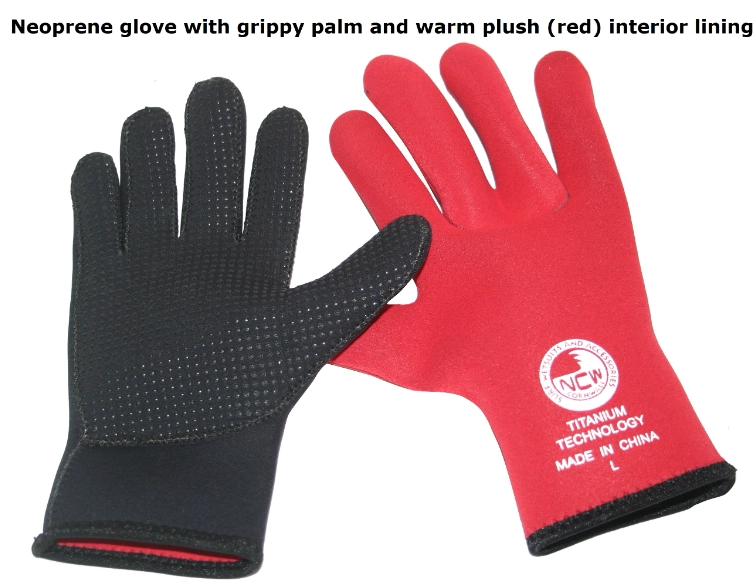
How to Choose the Right Pair: A Step-by-Step Filter
Don't start by browsing online stores. Start here. Answer these questions in order, and you'll eliminate 90% of unsuitable options.
Step 1: Define Your Primary Activity
This is non-negotiable. "Water sports" is too vague. Be specific.
- Scuba Diving: Prioritize warmth, durability, and a secure wrist seal. Look for reinforced palms and fingertips.
- Surfing: Need flexibility for paddling and grip for popping up. A smooth palm can help with paddle glide.
- Kayaking/Canoeing: Abrasion resistance on the palm is critical from paddle friction. A longer cuff keeps water out when reaching.
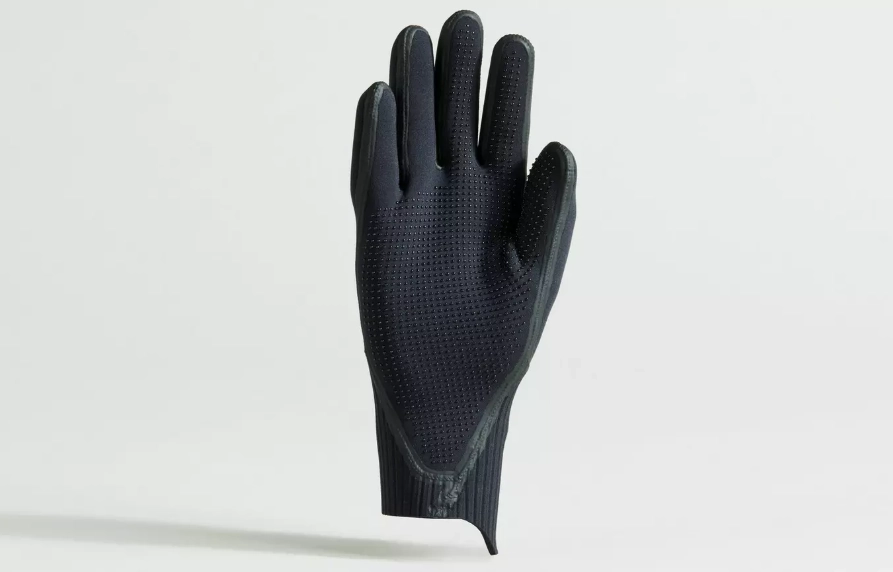
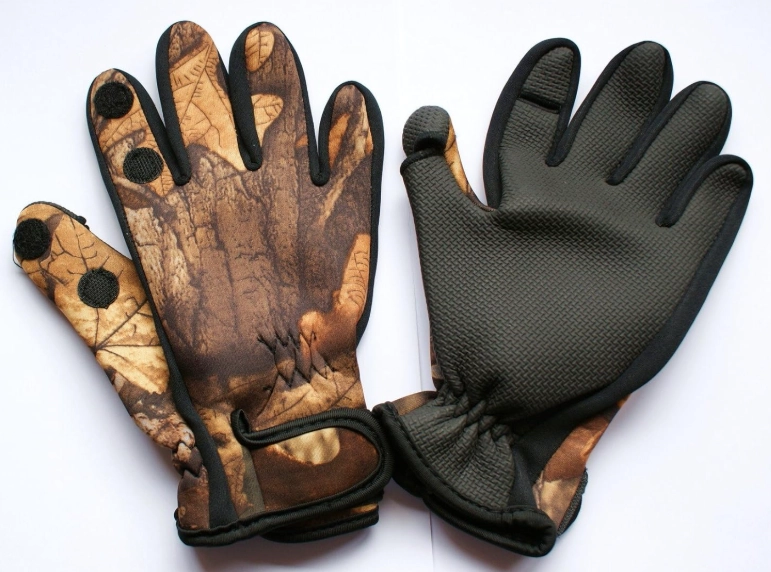
- Fishing: Dexterity to tie leaders and handle hooks. A textured or "grippy" palm to hold wet, slimy fish.
- Sailing: Protection from rope burn and sun. Often a shorter cuff for mobility.
- Cold Weather Work/Utility: Often cheaper, less flexible neoprene. Focus is purely on insulation, not watertight seals.
Step 2: Get Your Size Radically Right
The biggest mistake? Measuring your hand flat. Your hand is a 3D object that flexes. Here's how the pros do it:
Make a relaxed fist, as if holding a paddle or a tool. Now, have someone measure the circumference around your knuckles (excluding the thumb). That's your key measurement. Compare it to the brand's specific size chart—never assume you're a "Medium" across brands.
Step 3: Set Your Budget & Material Priorities
Standard neoprene is fine. But if you're sensitive to cold, a nylon-lined interior feels warmer against the skin and is easier to put on. A smoothskin (rubber) exterior offers better wind resistance and slightly more water repellency—great for kayaking or sailing where you're above water more than in it.
Also, consider the environmental angle. More brands are using sustainable neoprene made from limestone (like Yamamoto neoprene) or even plant-based materials. It's often more flexible and durable, but you pay a premium.
Key Features Breakdown: Seams, Liners, and Cuffs
This is where cheap gloves fail and good gloves earn their price.
Seams: Glued-and-blind-stitched (GBS) seams are the gold standard for water resistance. The seam is glued shut first, then stitched internally so the needle holes don't go all the way through. Avoid simply overlocked or flatlock stitched seams for prolonged immersion—they leak.
Liners: Fleece lining is cozy but can hold water. Nylon or polyester linings dry faster. Some high-end gloves use a "thermal plastic" lining that reflects body heat back. For utility work, a cotton lining feels nice but is terrible for water—it stays wet and cold.
Cuffs:
- Rolled Cuff: Simple, easy to get on/off. Lets some water in/out. Common on surfing and utility gloves.
- Extended Wrist Seal ("Gauntlet" style): Long cuff that seals over your wetsuit sleeve. Essential for diving to prevent flushing.
- Velcro Strap: Provides a secure, adjustable seal. Great for kayaking and sailing to keep water out. Can snag on things.
Care & Longevity: Making Your Gloves Last Years, Not Months
Neoprene dies from three things: heat, chlorine, and improper drying.
After use, rinse them in fresh, cool water. Inside and out. Turn them partially inside out to rinse the liner. Never use hot water—it breaks down the neoprene's elasticity.
Dry them inside-out in the shade, away from direct sunlight and heat sources. A radiator will bake the rubber and make it brittle. Once the inside is mostly dry, turn them right-side out to finish.
Store them flat or loosely rolled in a cool, dry place. Don't store them tightly folded or crumpled in a bag—this creates permanent creases that become weak points.
Your Neoprene Gloves Questions, Answered
You can, but you'll probably be miserable. The critical factor in ice fishing is static cold—you're not moving much. A 3mm glove is designed for active use in cool water, where your movement generates heat. For ice fishing, you need dedicated, heavily insulated gloves or mittens, often with a waterproof shell and a removable liner. A neoprene glove will just get cold and stay cold. It's the wrong tool for a very specific job.
They're dry. Neoprene is designed to perform when wet. The water acts as a lubricant between the fibers inside the material. Before a dive or surf session, soak your gloves in water for a minute, then put them on. You'll notice a significant increase in flexibility and comfort. That initial stiffness is normal, not a sign of bad sizing.
 What's the difference between "waterproof" and "water-resistant" neoprene gloves?
This is mostly marketing. No standard neoprene glove is truly waterproof like a drysuit glove (which has a sealed latex wrist seal). All neoprene gloves will let a small amount of water in eventually. "Water-resistant" is the more accurate term. The goal isn't to stay 100% dry—it's to let a thin layer of water in, which your body heats up, and then keep that warm water trapped against your skin. The quality of the seams determines how quickly cold water flushes out that warm layer.
Don't use standard superglue—it dries hard and cracks. You need a neoprene-specific adhesive, like Black Witch or Aquaseal. Clean and dry the area thoroughly, apply a thin layer of adhesive, and use a neoprene patch if the hole is large. Press firmly and let it cure for at least 24 hours. For a tiny puncture on a seam, a dab of adhesive can often seal it well enough to extend the glove's life significantly.
For pure, static warmth, mittens win every time. Your fingers share heat. But warmth isn't everything. If you need to do anything—tie a line, adjust gear, operate a camera—fingered gloves are the only option. The trade-off is stark. In extreme cold where dexterity isn't needed (like certain types of diving or surface work), a 7mm mitten will keep you warmer than a 7mm five-finger glove. Choose based on the task, not just the thermometer.
Reader Comments