In This Guide
Let's be honest, you're probably here because you've seen those adorable pictures of toddlers floating face-down in crystal clear water, looking at fish, and you're wondering, "Could my kid do that?" Or maybe you're planning a family beach trip and want to know if snorkeling is even an option. The question "what age can kids start to snorkel?" is one of the most common ones parents have before hitting the water. And everyone seems to have a different answer.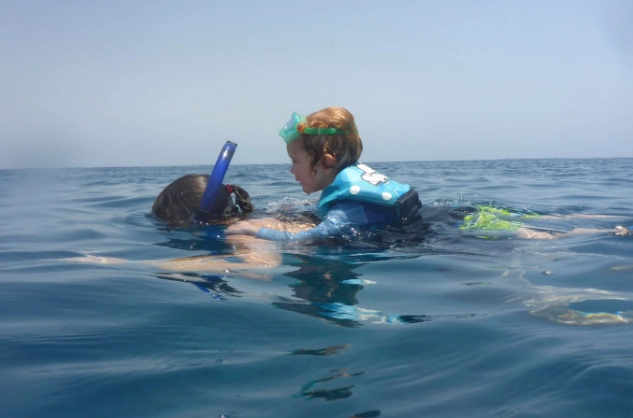
I remember the first time I tried to get my oldest, who was a pretty confident five-year-old swimmer at the time, to try a mask and snorkel in our pool. It was a disaster. Tears, frustration, the whole deal. I had assumed that because he could swim, he was ready. I was wrong. That experience taught me that the answer isn't about a magic birthday. It's about a combination of skills, temperament, and preparation.
So, let's ditch the one-size-fits-all age and dive into what really matters. This isn't about pushing kids; it's about unlocking a whole new world for them when they are truly ready.
The Short Answer (With a Big Asterisk): Many kids show the physical and cognitive readiness between 5 and 7 years old. However, a very comfortable, tall 4-year-old might be ready for very controlled, shallow play, while a hesitant 8-year-old might need more time. The age is a guideline, not a rule.
The Real Factors That Determine Snorkeling Readiness
Forget the calendar. To figure out if your child is ready to start snorkeling, you need to look at these key areas. It's like a checklist, but you don't need to score 100%. Strength in one area can balance a weakness in another.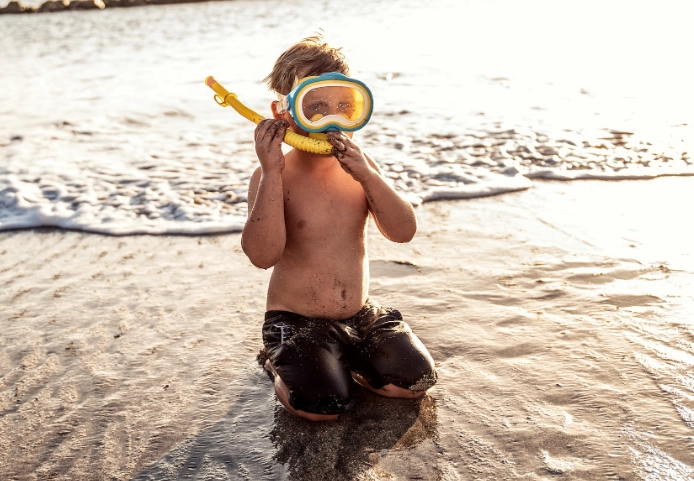
Swimming Ability and Water Comfort
This is non-negotiable. I can't stress this enough. Snorkeling is not a substitute for swimming lessons. Your child doesn't need to be an Olympic athlete, but they do need core competencies.
- Can they float on their front and back? This is fundamental for resting.
- Can they propel themselves confidently in water too deep to stand? They need to be able to move to you, to the boat, or to the shore without panic.
- Are they comfortable putting their face in the water and opening their eyes? This is the biggest hurdle for many kids. Snorkeling is 90% about being okay with your face in the water.
- Can they tread water or perform a basic survival float for 30-60 seconds? This is a safety skill that gives them (and you) huge confidence.
The American Academy of Pediatrics recommends swim lessons as a layer of protection against drowning starting at age 1, but their guidance for formal, skill-based lessons often points to age 4 as a good time to start. Building those skills takes time. Don't rush it just to check the "snorkeling" box.
Trust me on this.
Emotional Maturity and Following Instructions
This is where age starts to creep back into the picture. A 3-year-old, no matter how well they doggy-paddle, is unlikely to reliably follow critical safety instructions like "stay close," "don't touch the coral," or "breathe through your mouth." Snorkeling requires listening.
Ask yourself:
- Does my child listen well in new or exciting environments, or do they get easily distracted?
- Can they handle minor frustrations (like a little water in the mask) without a full meltdown?
- Do they have a natural curiosity about the water and what's underneath?
A fearful child forced into snorkeling will have a terrible time and may develop a long-lasting fear of the water. The goal is fun, not endurance.
Physical Factors: Strength and Gear Fit
Snorkeling gear is designed for adults. Even "kids'" gear can be bulky and awkward on small frames.
- Neck Strength: Holding their head up with a snorkel and mask attached takes more neck muscle than you think.
- Lung Capacity: They need to be able to take deep, calm breaths through a tube. Shallow, panicked breathing leads to hyperventilation.
- Gear Fit: This is crucial. A leaky mask is the number one reason kids hate snorkeling. The mask must seal properly on their face (not resting on their forehead or cheeks). The snorkel mouthpiece should fit comfortably in their mouth without gagging them. Fins should be snug but not cut off circulation.
My Gear Mistake: I once bought a "great deal" on a kids' snorkel set online. The mask was too big, the silicone was cheap and stiff, and the fins were clunky. It set us back months. Investing in proper, well-fitting gear from a reputable brand makes all the difference. It's not about price, it's about fit and quality.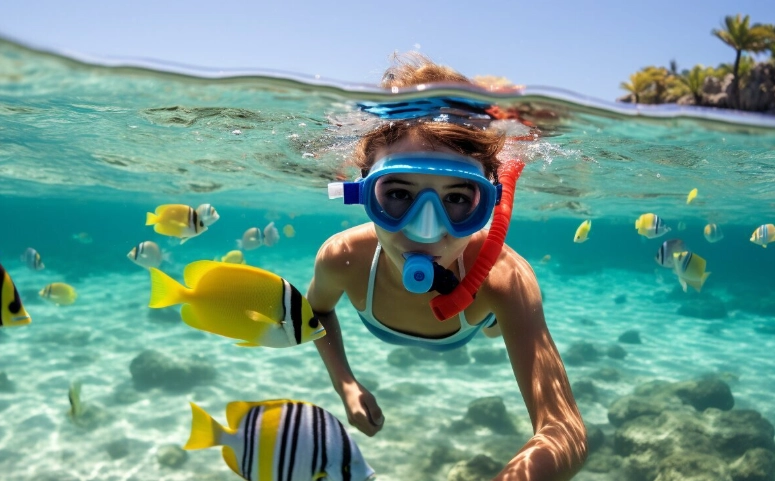
A Practical Age-by-Age Snorkeling Guide
Okay, with all those caveats, here's a more practical look at what you can typically expect at different stages. This table isn't a promise, but a framework.
| Age Range | Typical Readiness Level | Focus & Activities | Parental Role & Tips |
|---|---|---|---|
| 2-4 Years Old | Introduction to Water Play | Blowing bubbles, retrieving sinking toys from shallow steps, wearing goggles in the bath/pool. NOT formal snorkeling. | Supervisor and playmate. Make everything a game. Use toys and games that encourage putting the face in the water. Never force it. |
| 5-7 Years Old | Prime "Starting" Window | Mastering gear in a pool. Learning to clear a snorkel. Floating face-down while breathing calmly. Short, supervised sessions in calm, shallow, sandy ocean areas. | Coach and safety spotter. Practice extensively in a pool first. Stay within arm's reach. Keep sessions short (10-15 mins). Praise effort, not just success. |
| 8+ Years Old | Skill Building & Exploration | Longer sessions, slightly deeper water, learning hand signals, basic finning technique, respecting marine life. Can start to understand more complex environments (gentle currents, reefs). | Guide and buddy. You can start to snorkel side-by-side rather than directly over them. Teach them to observe and identify fish. Enforce environmental rules (no standing on coral). |
See how the question "what age can kids start to snorkel?" starts to make more sense when you break it down like this? For most families, that 5-7 window is where the magic often begins, but the foundation is laid much earlier.
Your Step-by-Step Plan to a Successful First Snorkel
So your child is showing signs of readiness. Here's exactly how to proceed. Skipping steps is the fastest way to create a negative experience.
Step 1: Pool Practice is Mandatory
The ocean, lake, or even a calm bay is not the place to try gear for the first time. The pool is your laboratory.
- Mask Only: Let them play with the mask first. Put it on their face without the strap. Have them breathe through their nose and see if it seals. Then, with the strap, just let them walk around looking through it. Get them used to the field of view.
- Snorkel Only: Have them put the snorkel in their mouth and practice breathing through it while walking around on dry land. Then sit on the pool steps and do the same with their chin in the water.
- Mask + Snorkel (Dry): Combine them. Have them float on their back first, just getting used to the feeling of having both in place.
- The Big Moment: In the shallow end, have them hold the pool edge, put their face in, and breathe through the snorkel. Celebrate! This is the core skill.
- Snorkel Clearing: Teach them to give a sharp, forceful exhale (a "blast") to clear water from the snorkel. Make a game of it.
With my second child, we spent three separate pool days just on Steps 1-3 before she even attempted Step 4. She needed to feel in complete control of the gear before her face went under. The patience paid off—her first ocean try was seamless because she'd already conquered the skills in a zero-pressure environment.
Step 2: Choosing the First Open Water Location
This choice can make or break the experience. You want boring, easy, and safe.
- Calm & Shallow: A protected sandy cove or lagoon is ideal. Water should be waist-deep for the child and crystal clear so they can see the bottom.
- Interesting but Not Overwhelming: A few small fish or some sea grass is perfect. A bustling, deep coral reef with strong currents is a nightmare for a first timer.
- Minimal Hazards: Avoid areas with boat traffic, sharp rocks, coral, or sea urchins close to shore.
- Short Duration: Plan for a 10-minute attempt. If they love it and want more, that's a bonus. Always end on a high note.
Step 3: Gear Up for Success (What to Actually Buy)
You don't need the most expensive, but you need functional and well-fitting.
The Mask: This is your most important purchase. Look for a low-volume kids' mask (less air space inside means easier to clear). The skirt (the soft part that seals) should be soft silicone. To test fit, place the mask on the child's face without the strap, have them inhale gently through their nose, and let go. The mask should stay suctioned to their face for a few seconds. Check for gaps, especially at the top of the nose bridge.
The Snorkel: A simple J-shaped snorkel is best for beginners. Avoid complex dry-top snorkels with splash guards for the very first try—they can be harder to clear and create anxiety. A basic tube with a comfortable, flexible mouthpiece is perfect. Some kids prefer a snorkel with a purge valve at the bottom to make clearing easier.
Fins: For young kids, short, flexible fins are best. They provide propulsion without straining little legs. Full-foot fins (like boots) are easier than adjustable strap fins. They must fit snugly; loose fins will blister and fall off.
Other Essentials: A brightly colored swim vest or rash guard for sun protection and a tiny bit of extra buoyancy (not a substitute for swimming ability!). A floating dive flag if you're away from a crowded beach.
Answering Your Biggest Fears and Questions (The FAQ)
When It's Not Going Well: The Art of the Strategic Retreat
It happens. The water is colder than expected, a wave splashes them, they get saltwater in their mouth, or they just decide they're done. This is a critical moment.
Do NOT push through. Your job is to be the calm, reassuring exit strategy. Say, "Okay, no problem! Let's take a break and have a snack on the beach." Remove the gear, get them warm and comfortable, and talk about something else. The goal is to preserve their overall positive association with the water. You can always try again tomorrow, or next month, or next year.
Forcing them to "finish the session" teaches them that snorkeling is an unpleasant chore. Calling it quits teaches them that you listen to their comfort and that their feelings matter. Which lesson do you want them to learn?
Figuring out what age kids can start to snorkel is really about watching your individual child, not comparing them to others. It's about building blocks: water comfort, then swimming skills, then gear familiarity in a pool, and finally a gentle, short, positive introduction to the open water.
The payoff is incredible. The first time your child pops their head up, eyes wide, and says, "Mom, I saw a blue fish!" through their snorkel mouthpiece, every minute of practice will be worth it. You're not just teaching them a hobby; you're giving them a key to explore 70% of our planet. Start slow, focus on fun and safety, and let them lead the pace. The ocean isn't going anywhere.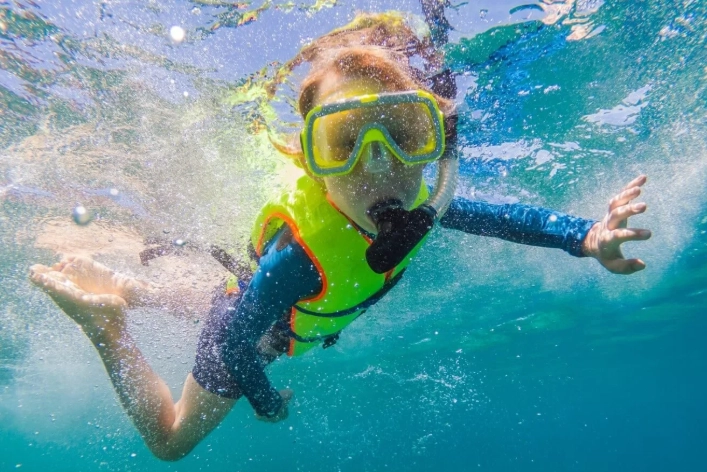
Reader Comments