Your Snorkeling Blueprint
- Why Timing is Everything: It's More Than Just a Pretty View
- Breaking Down the Day: Morning, Midday, and Afternoon Snorkeling
- The Wild Card You Can't Ignore: Tides and Your Snorkel Plan
- Location, Location, Location: Timing Changes with the Shoreline
- Answers to the Questions You're Probably Asking (FAQ)
- Putting It All Together: Your Action Plan for a Perfect Snorkel Day
Let's cut right to the chase. You've booked your flights, you're dreaming of sea turtles and rainbow fish, and now you're staring at your calendar trying to figure out when to actually get in the water. That's the million-dollar question, isn't it? Picking the wrong time can mean murky water, rough waves, and a whole lot of disappointment. I've been there—showing up at a famous spot only to find the visibility is about as good as a bowl of pea soup.
So, what's the magic formula? The short, oversimplified answer you'll hear a lot is: "Go in the morning." And yeah, that's often true. But if we stop there, we're missing a ton of nuance that can make or break your day. The real best time of day to snorkel in Oahu isn't just a single hour on the clock. It's a combination of factors—tides, wind, sun angle, and even which specific cove or bay you're targeting. Your perfect window at Hanauma Bay might be totally different from your perfect window at Sharks Cove on the North Shore.
I've spent months snorkeling around this island, making my share of timing mistakes so you don't have to. This guide is about giving you the full picture, not just a catchy one-liner. We'll get into the science, the local patterns, and the honest pros and cons of every part of the day.
Why Timing is Everything: It's More Than Just a Pretty View
You might wonder, why does a few hours make such a big difference? Can't you just snorkel whenever? Technically, yes. But the quality of your experience hinges on three things that change dramatically throughout the day: water clarity, ocean conditions, and marine activity.
In the morning, the trade winds (those steady breezes from the northeast) are typically at their lightest. Less wind means smaller waves and less churning of sand and sediment on the ocean floor. This is the single biggest factor for visibility. As the day heats up, the land warms faster than the ocean, causing the winds to pick up—a process meteorologists call the sea breeze effect. By early afternoon, those calm waters can get choppy, kicking up sand and reducing visibility from 100 feet down to maybe 20.
Then there's the sun. It acts like a giant flashlight pointing into the water. When it's low in the sky (early morning or late afternoon), its light has to travel through more atmosphere and hits the water at a shallow angle, meaning less light penetrates down to the reef. A high sun (late morning) beams straight down, illuminating every nook and cranny. It's the difference between looking into a dimly lit room and flipping on the overhead light.
And the fish? They have their schedules too. Many reef fish are most active in the morning, foraging for food. Turtles often come into shallow bays to feed on algae in the late morning. Knowing these patterns helps you be in the right place at the right time.
Breaking Down the Day: Morning, Midday, and Afternoon Snorkeling
Let's get specific. Here’s what you can realistically expect during each segment of the day. This table isn't just theoretical; it's based on watching conditions day after day.
| Time of Day | Typical Conditions | Pros | Cons | Best For... |
|---|---|---|---|---|
| Early Morning (Sunrise - 9:00 AM) | Glass-like calm, minimal wind, water is still. Sun is still low. | Extremely calm water, fewest people, serene atmosphere, best chance to have a spot to yourself. | Water can feel cooler, lower light on the reef, some marine life may not be fully active yet. | Strong swimmers who prioritize peace and quiet, photographers wanting smooth surface shots. |
| Late Morning (9:00 AM - 12:00 PM) | Wind starts very light, water remains clear. Sun is high and bright. | Optimal underwater visibility, great lighting for seeing colors, water is warm, peak turtle activity. | Crowds are building, especially at popular bays with timed entry. | Most snorkelers, especially beginners and families. This is the classic best time of day to snorkel in Oahu for a reason. |
| Midday (12:00 PM - 2:00 PM) | Winds often begin to increase, especially on east/south shores. Sun is directly overhead. | Maximum sunlight penetration, water is warmest, convenient if you have a late start. | Potential for increasing chop, crowds are at their peak, higher UV exposure. | Sheltered coves or leeward spots. Can be risky for exposed locations. |
| Afternoon (2:00 PM - Sunset) | Trade winds are often strongest, creating surface chop and stirring sediment. | Fewer people as crowds leave, beautiful golden hour light above water. | Poorest visibility typically, rougher surface conditions, potentially stronger currents. | Experienced snorkelers at protected locations (like some West Shore bays), or for a quick, casual dip close to shore. |
See that late morning slot? That's the sweet spot for most people. But I want to be brutally honest about afternoon snorkeling. I made the mistake once of heading to Makapu'u Tide Pools around 3 PM because my schedule was packed. The wind was howling, the water was cloudy, and it just wasn't enjoyable. I spent more time battling the surge than looking at fish. It was a lesson learned—sometimes the best time of day to snorkel in Oahu has already passed, and it's better to save it for another day.
The Wild Card You Can't Ignore: Tides and Your Snorkel Plan
If time of day is one pillar, tides are the other. Ignoring tides is like planning a hike and ignoring the weather forecast. They change the entire landscape, literally.
You need to check a reliable tide chart (NOAA is the gold standard) for your specific location. Why does it matter so much?
- Low Tide: This can be a double-edged sword. In some places with deep reefs (like parts of Hanauma Bay), a low tide isn't a big deal. But in shallow reef areas or tide pools (Sharks Cove, for example), a very low tide can mean you're practically scraping your belly on the coral. It limits where you can swim, concentrates fish into smaller pools, but can also create amazing, calm, aquamarine pockets perfect for beginners to stand in. However, it can also expose sharp coral, making entry and exit trickier.
- High Tide: Generally better for snorkeling. More water over the reef means you can swim freely without fear of touching anything. It often brings clearer, cooler ocean water into bays, refreshing the area. The movement of water during a rising tide (the flood) can also improve visibility by flushing out particulates.
- Slack Tide: This is the short period at the peak of high tide or the bottom of low tide when the water movement pauses before reversing direction. Currents are minimal. This is arguably the safest time to snorkel, especially in areas known for channel currents. If you can align slack high tide with a calm late morning, you've hit the jackpot.
So your new planning question becomes: "What's the best time of day to snorkel in Oahu at the tide I'll have?"
Location, Location, Location: Timing Changes with the Shoreline
Oahu isn't one uniform snorkeling destination. It's a collection of micro-environments. The wind, swell, and tide affect each one differently. A blanket "morning is best" statement falls apart when you look at the details.
South Shore (Hanauma Bay, Kaimana, Sans Souci)
This is where the classic morning advice is most accurate. These spots are directly exposed to the prevailing trade winds. By afternoon, the wind has a long stretch of open ocean to build up chop. Hanauma Bay, being a protected nature preserve, holds its clarity better than most, but even there, the afternoon crowd and wind can stir things up. For the iconic Hanauma experience, a morning reservation is non-negotiable in my book.
East Shore (Lanikai, Waimanalo, Makapu'u)
Similar to the South Shore but often with less direct protection. Lanikai's gorgeous reefs can get wind-whipped by early afternoon. The morning calm here is magical—the water is so still it feels like swimming in an aquarium. I've had my best turtle encounters at Lanikai around 10 AM.
North Shore (Sharks Cove, Three Tables, Waimea Bay in summer)
This is the big exception. In the summer months (roughly May-September), when the North Shore is calm, the afternoon can sometimes be better than the morning. Why? The trade winds come from the northeast. In the morning, they are blowing directly onshore on the North Shore. By afternoon, as the island heats up, the wind pattern can sometimes shift, coming more from the south or west, actually leaving the North Shore in a lee (a calm spot downwind). I've been shocked at how glassy Sharks Cove can be at 2 PM on a summer day when the south shore is getting choppy. Always check a local marine forecast for wind direction.
West Shore (Ko Olina Lagoons, Electric Beach)
These areas are often in the rain shadow and can have unique wind patterns. The man-made Ko Olina Lagoons are almost always calm, making time of day less critical—though morning is still prettier for light. Electric Beach (near the power plant) has stronger currents; here, tide is a more critical factor than time of day.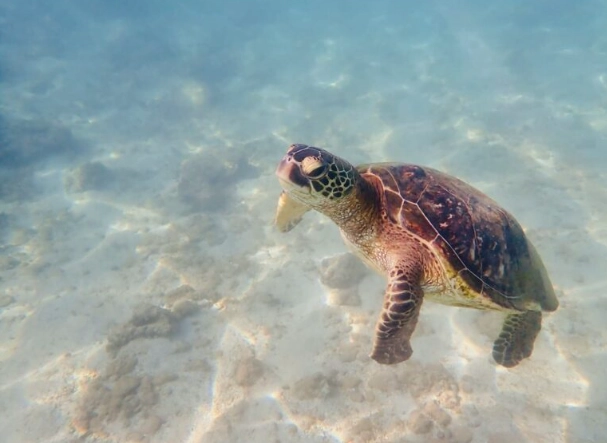
Answers to the Questions You're Probably Asking (FAQ)
It's not always "bad," but it's consistently less reliable. On a day with exceptionally light winds, an afternoon snorkel on the south shore might be fine. On a typical trade wind day, it will be noticeably choppier and less clear. For a guaranteed great experience, morning is a safer bet. For a "let's see what it's like" dip, afternoon can work, especially in a sheltered area.
Absolutely. In winter (Oct-Apr), the north shore gets huge, dangerous swells, so snorkeling there is generally off the table regardless of time of day. The south shore becomes the primary spot, and its morning calm rule holds strong. In summer, as mentioned, the north shore opens up and its wind pattern flips, making afternoon a more viable option there.
Yes, actually. On overcast days, wind is still usually lighter in the morning. While the colors won't pop as much without direct sun, the water will likely be calmer and clearer earlier in the day. The clouds won't magically make the afternoon winds die down.
The Ko Olina Lagoons are your best bet. They are engineered to be calm. Also, look for very sheltered, west-facing coves on the west side of the island. Always, always check a live webcam or a recent condition report before you go. Don't just assume.
Putting It All Together: Your Action Plan for a Perfect Snorkel Day
Okay, so how do you actually use all this info? Let's make a simple checklist.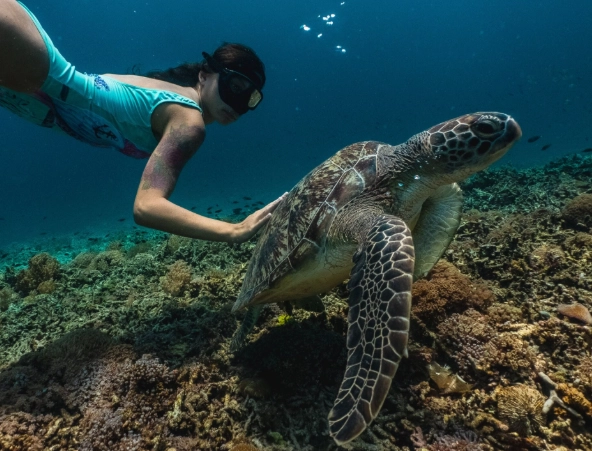
- Pick Your Spot: Decide where you want to go based on your skill level and location.
- Check the Marine Forecast: The night before, look at the NWS forecast for wind speed/direction and swell.
- Check the Tides: Look up the tide chart for that location. Aim to be in the water during a slack high tide or a rising tide, if possible.
- Set Your Alarm: Plan to arrive at your snorkel spot between 8:00 and 9:30 AM. This gives you time to park, pay fees, rent gear, and get in the water during that prime 9:30-11:30 window.
- Have a Plan B: If you wake up and the winds are already howling at your chosen spot, have a sheltered backup location in mind (e.g., if Hanauma looks rough, maybe the more protected side of Kaimana Beach is better).
- Snorkel, Enjoy, and Get Out: Have an amazing 1.5-2 hours in the water. When you start to feel tired, or when the wind noticeably picks up, call it a day. Don't push it.
- Afternoon Option: If you still have the energy later, consider a completely different activity—hiking, driving, shopping. Or, if conditions permit, a relaxed swim (not a serious snorkel) at a protected lagoon in the later afternoon.
In the end, the best time is the time that gives you safe, clear, and enjoyable conditions. For 80% of visitors, on 80% of days, at 80% of the popular spots, that time is late morning. But now you have the knowledge to understand the other 20%—to know when you can bend the rules and when you absolutely shouldn't. That knowledge turns a good snorkel trip into a great one.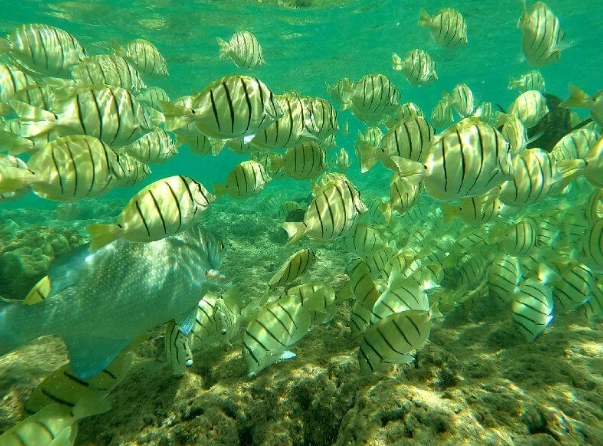
Go get wet.
Reader Comments