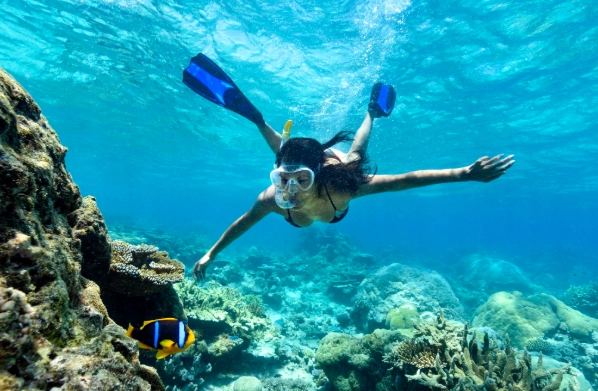
That first glimpse underwater in truly clear water changes you. It's not just seeing fish; it's flying over another world. The problem? Most guides tell you to "go where the water is clear." That's useless. Clarity isn't just a location—it's a combination of season, weather, time of day, and even your own gear choices. I've spent over a decade chasing that perfect visibility, from getting lost in plankton blooms to finding hidden spots locals keep secret. This guide cuts through the fluff. We'll map out the world's clearest snorkeling havens with actionable details, dissect gear choices that actually prevent foggy masks, and share techniques that make you feel like part of the reef, not just a visitor floating above it.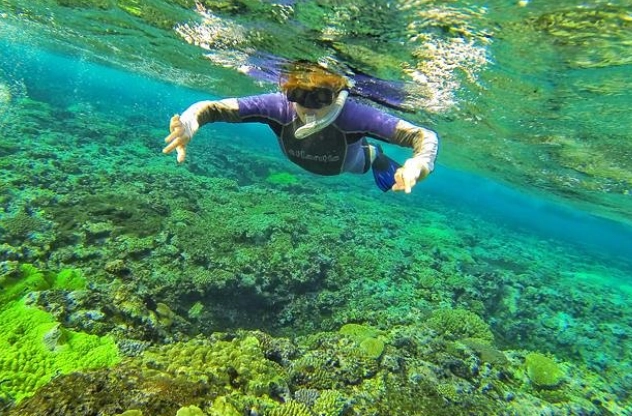
What's in This Guide?
Top 3 Destinations for Unmatched Clarity (And Exactly How to Experience Them)
Forget vague recommendations. These three spots deliver consistent, jaw-dropping visibility when you time it right. I'm giving you the coordinates, the season, and the local trick everyone misses.
1. The Great Barrier Reef's Outer Ribbons, Australia
Most people crowd the inner reefs near Cairns. The secret? The outer ribbon reefs, a 2-3 hour boat ride further out. The water here is a different substance—like liquid glass. Visibility regularly hits 30-40 meters (100-130 ft).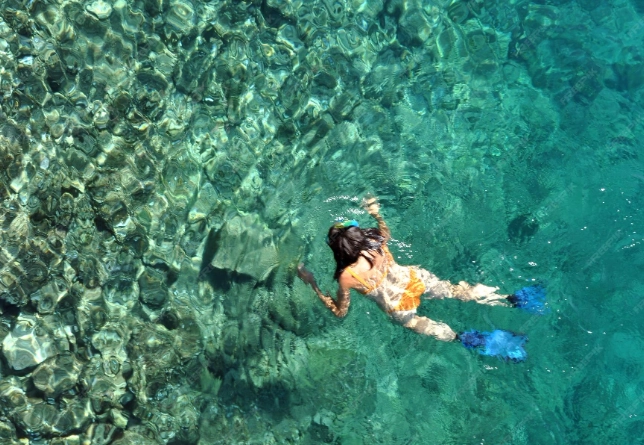
Need to Know:
Best Time: August to December (avoid summer runoff and jellyfish season).
Access Point: Port Douglas, not Cairns. Operators like Wavelength or Silversonic specialize in outer reef trips.
Cost: A full-day trip ranges from AUD $250-$350, including gear, lunch, and guided snorkels.
Pro Tip: Book a trip that includes a "guided snorkel tour." The marine biologist guides will point out tiny nudibranchs and sleeping turtles you'd swim right over.
2. The Lagoon of Moorea, French Polynesia
Bora Bora gets the fame, but Moorea has the accessible, calm, and unbelievably clear lagoon. You can literally wade in from dozens of public beaches ("motu" islets) into waist-deep water with 50-meter visibility. The coral gardens are shallow and teeming.
Need to Know:
Best Time: May to October (dry season, less wind).
Key Spot: The area between Motu Ahi and Motu Tiahura. Many lagoon tours stop here.
DIY Access: Rent a small boat or kayak from Moorea Boat. A half-day rental is about €80.
Pro Tip: Go in the morning before the wind picks up. The surface is like a mirror, and the light penetration is perfect for photos.
3. The Leeward Side of Bonaire, Caribbean
Bonaire is the snorkeler's (and diver's) self-serve paradise. The entire leeward coast is a protected marine park with over 60 marked shore entry points. Just park, walk in, and enjoy 25-30 meter visibility year-round thanks to constant trade winds and no rivers dumping silt.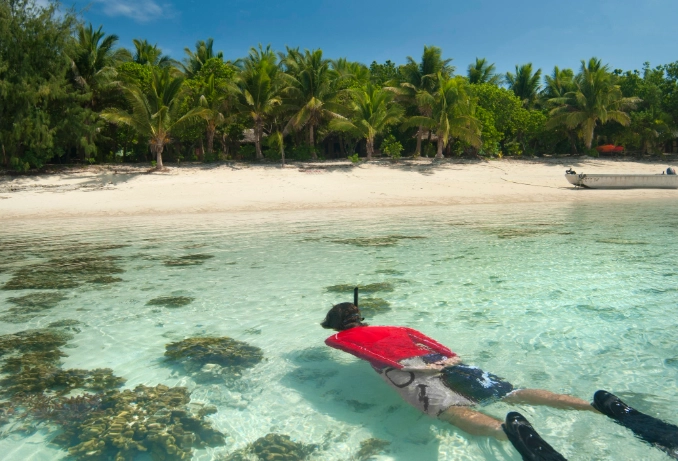
| Site Name | Entry Difficulty | What You'll See | Park Tag Cost* |
|---|---|---|---|
| 1,000 Steps | Easy (it's not 1000 steps) | Garden eels, parrotfish, steep coral slope | $45 USD (yearly marine park tag, mandatory) |
| Alice in Wonderland | Medium (some surf) | Massive brain coral, huge schools of blue tang | |
| Salt Pier | Easy (pier pilings) | Spectacular artificial reef, tarpon, night snorkeling hotspot |
*Information sourced from the STINAPA Bonaire official website.
Gear Essentials: Beyond the Rental Mask
Here's the non-consensus truth: a foggy mask or a leaky snorkel ruins crystal clear water instantly. Rental gear is the #1 culprit. Investing in two key pieces is non-negotiable.
The Mask: It's not about price, it's about fit. The old trick of pressing it to your face without the strap? It's incomplete. Do that, but also breathe in gently through your nose. A good mask will stay suctioned to your face for a few seconds without the strap. Look for a silicone skirt—it's softer and seals better than PVC. My personal workhorse for years has been a mid-range mask with a low volume design (less air to clear if it fogs).
The Snorkel: Avoid complex "dry" snorkels with fancy valves. They fail. A simple J-shaped snorkel or a basic semi-dry top (just a splash guard) is more reliable. The key feature is a comfortable, flexible mouthpiece. You'll be biting down for hours.
Fins are less critical for clarity, but full-foot fins (like booties) are better for shore entries over rocky bottoms. Open-heel fins with booties offer more protection and power.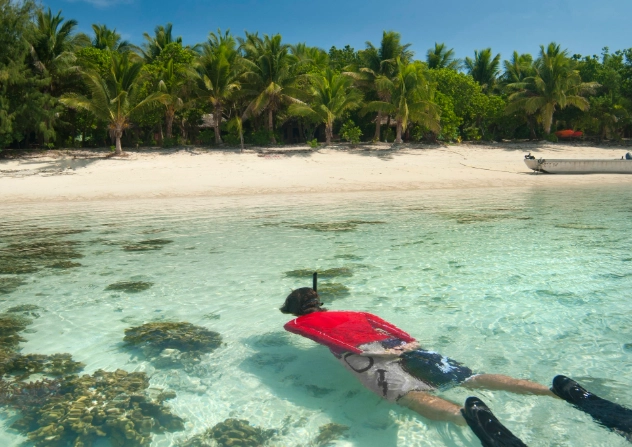
Snorkeling Techniques for Crystal Clear Views
You have the place and the gear. Now, how do you interact with the environment to keep that view pristine?
Master Buoyancy. Kicking like a frantic eggbeater stirs up sand from the bottom, creating a cloud that destroys visibility for you and everyone behind you. Practice a slow, fluid flutter kick from the hips, keeping your fins deep underwater. If you need to stop, float vertically and use a gentle scissor kick or just tread water with your hands.
Defog Like a Pro. Spit, rub, rinse. But do it with fresh water from your bottle, not seawater. For a bulletproof method, use a tiny drop of baby shampoo rubbed in and rinsed. It lasts for hours.
Breathe Slowly and Deeply. Rapid, panicked breathing fogs your mask from the inside and creates noisy bubbles that scare fish. Breathe in slowly for 4 counts, out for 6. It calms you, conserves energy, and lets marine life accept your presence. I've had reef sharks and turtles come much closer when I'm breathing calmly.
Planning Your Perfect Crystal Clear Water Trip
Clarity isn't guaranteed. You have to plan for it.
Check the Lunar Cycle. This is the most overlooked factor. Full moons often bring stronger currents and can sometimes increase plankton activity (food for filter feeders, but reduces visibility). A week before or after a new moon is often ideal.
Time of Day is Everything. The sun is your underwater spotlight. Midday (10 am - 2 pm) gives the best light penetration, making colors pop and visibility seem even greater. Early morning can be glassy calm but darker.
Read the Water from Shore. Before you even get in, look at the ocean. Are waves churning up sand? Is there a brownish tint near the shore from recent rain? If so, swim out further or try a different, more sheltered spot. A report from the NOAA on coastal water quality can give regional insights into runoff patterns.
Your Snorkeling Questions, Answered
Reader Comments