Picture this: you're floating in cool, clear water, sunlight dancing through the surface. Below you, the rocky seabed is a blur. Then, a shadow zips past your shoulder. You turn, and there it is – a sea lion, maybe a pup, maybe a large bull, looking you right in the eye with a curiosity that mirrors your own. It spins, barrel-rolls, and blows a stream of bubbles right at your mask. That moment, that playful, unscripted interaction, is why snorkeling with sea lions is on so many bucket lists. It's not just seeing wildlife; it's being acknowledged by it, if only for a few magical minutes.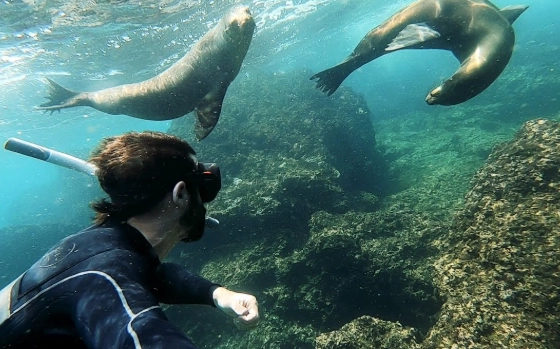
What's in this guide?
Why Snorkeling with Sea Lions is Unlike Anything Else
Dolphins might ignore you. Turtles often seem indifferent. But sea lions? They're the curious, mischievous puppies of the sea. Their intelligence and social nature make them uniquely interactive. A common misconception is that you need to be a super-athlete or an expert diver. Not true. If you can float comfortably and breathe through a snorkel, you're 90% there. The real challenge isn't physical; it's about adapting to their world and understanding their rules.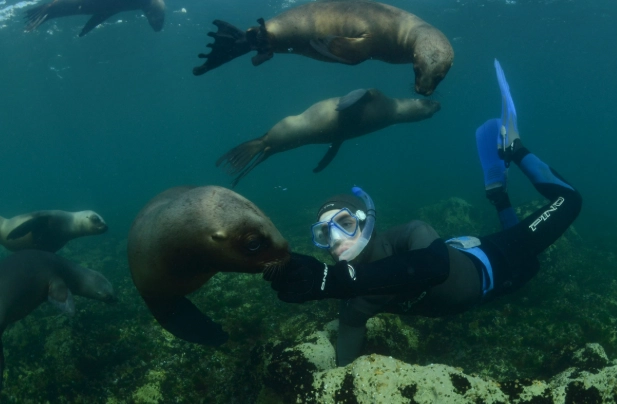
I remember my first time off the coast of Baja. I was so focused on keeping my distance, on being a respectful observer, that I missed the cues. A young sea lion kept circling me, nipping playfully at my fins. I stayed still, thinking that was the right move. It was only later, chatting with a local marine biologist, that I learned my stillness was probably interpreted as disinterest or unease. These animals communicate through movement. My "respectful" freeze might have been a conversation ender.
The 3 Best Places to Snorkel with Sea Lions
Location is everything. You need places where interaction is common, legal, and managed sustainably. Here are the top spots, broken down with the practical details you need to book your trip.
1. The Galapagos Islands, Ecuador
The holy grail. Here, you're swimming with the endemic Galapagos sea lion. Their complete lack of fear of humans, a result of evolving without predators, creates encounters that feel genuinely mutual.
Need to know: Independent snorkeling at sea lion colonies is heavily restricted to protect the ecosystem. Access is almost exclusively through licensed liveaboard cruises or day tours with certified naturalist guides. This isn't a budget destination, but the regulatory framework ensures an uncrowded, high-quality experience. The National Park Service of Ecuador sets strict visitor guidelines.
Key Sites: Isla Lobos (near San Cristóbal), Punta Vicente Roca (Isabela), and various rocky islets you'll visit on a cruise itinerary. The sea lions are everywhere there's a beach or a rocky ledge.
Season: Year-round, but water visibility is best from December to May. June to November is cooler and richer in marine life.
2. La Paz & Los Cabos, Baja California, Mexico
This is where accessibility meets reliability. The California sea lions here are playful and accustomed to snorkelers visiting their haul-out spots, particularly at the famous Los Islotes rock formation near La Paz.
You'll typically book a day trip from La Paz or Cabo San Lucas. The boat ride can be 1-2 hours, and the sea can get choppy – take seasickness pills if you're prone. Operators provide gear, but bringing your own well-fitting mask makes a huge difference.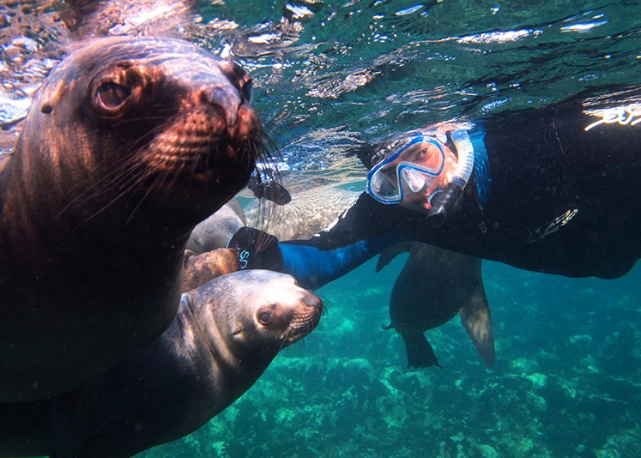
| Operator (Example) | Departure From | Approx. Price (USD) | What's Included | Contact / Booking Tip |
|---|---|---|---|---|
| Baja Adventure Co. | La Paz Marina | $120-$150 | Gear, lunch, snacks, guide, park fees | Book direct online for better availability. Ask about group size (smaller is better). |
| Cabo Expeditions | Cabo San Lucas Marina | $140-$180 | Gear, lunch, beverages, guide, longer transport | Often includes a second snorkel spot. Good for those staying in Cabo. |
3. Port Lincoln, South Australia
For a completely different vibe, head to the Neptune Islands. This is where you snorkel with the formidable Australian sea lion, known for its acrobatics. It's a more rugged, wild experience. The water is cooler (a 5mm or 7mm wetsuit is essential), and trips often involve cage diving with great white sharks as a combo activity. It's an expedition, not a casual beach hop.
Logistics: Multi-day liveaboard trips are standard. Operators like Calypso Star Charters run these adventures. It's a significant investment and time commitment, but utterly unique.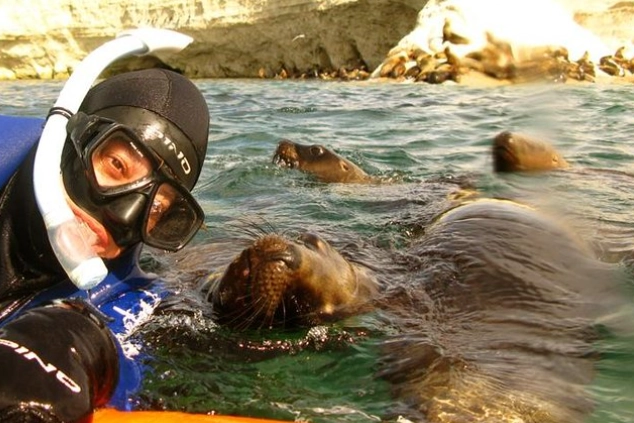
How to Prepare for Your Sea Lion Snorkel Trip
Getting the logistics right removes stress and lets you focus on the magic.
Essential Gear (Beyond the Rental Basics)
Tour operators provide mask, snorkel, fins, and often a wetsuit. But your comfort hinges on fit.
- Your Own Mask: This is non-negotiable for me. A leaking mask ruins the experience. Get one with a silicone skirt that seals perfectly on your face. Test it in a pool before you go.
- Wetsuit: Even in "warm" water like Baja (70-75°F/21-24°C), you'll get cold after 45 minutes. A 3mm full suit provides warmth and protection from accidental scrapes or overly friendly nips.
- Anti-Fog: Baby shampoo in a small bottle works better than most commercial sprays. Rub a drop on the inside of your mask, rinse lightly, and don't touch the glass again.
- Dry Bag: For your towel, phone, and a change of clothes on the boat.
Booking Your Tour: The Fine Print
Don't just book the cheapest option. Read the reviews and look for specifics.
Email the operator and ask: "What is your guide-to-guest ratio in the water?" and "What is your protocol if sea lions become overly assertive?" Their answers tell you everything about their professionalism. A good operator will emphasize passive interaction, group management, and having a guide in the water at all times.
In-Water Techniques & Safety Tips from a Decade of Trips
This is where most blogs give you fluffy, generic advice. Let's get specific.
The Entry & Approach
Enter the water calmly, away from the main colony. Splashing and frantic kicking signals "predator" or "injured prey." Once in, let the current or your gentle finning bring you closer. Never swim directly *at* a sea lion. Approach indirectly, parallel to the rocks.
How to Act (and React) in the Water
Forget being a statue. Be a calm, moving object. Make slow, circular movements with your arms or do slow somersaults. I've seen sea lions mimic this and join in the game. It's about projecting calm curiosity, not predatory focus.
The big one no one talks about: Watch your fins. Pups love to bite them. It's play, not aggression. If one latches on, don't jerk your leg away violently. A firm shake or a gentle push with your hand on its chest (never its face) usually does the trick. Your fins are tough; they can take it.
Avoid dark colors. This sounds weird, but hear me out. In many regions, local dive guides wear black. To a sea lion, a large, dark, slow-moving shape might subconsciously register as a rival male or a predator like an orca. I've noticed sea lions are often initially more cautious around people in all-black wetsuits versus blue or patterned ones. It's a subtle thing, but it can set the tone of the encounter.
What to Do If a Sea Lion Acts Aggressively
True aggression is rare and usually involves a large male protecting his territory during mating season (a reason to know the local seasons). Signs: rapid, direct approach, loud barking underwater, showing teeth. Do not turn your back. Face the animal, make yourself look bigger by spreading your arms, and back away slowly towards your boat or group. Do not splash. The moment you break eye contact and flee, you trigger a chase instinct.
Reader Comments