Quick Navigation
- The Short Answer: It's All About Preparation, Not Just Age
- The Age & Readiness Breakdown: From Toddlers to Tweens
- The Non-Negotiable Gear Checklist: Don't Skimp Here
- Teaching Them: The Pool is Your Best Friend
- Picking the Spot: This Makes or Breaks Safety
- The On-Site Safety Drill & Rules
- Answering Your Big Questions (FAQ)
Let's be honest. The first time you think about putting a snorkel mask on your kid and letting them float face-down in the ocean, a million alarm bells go off. I remember staring at my then five-year-old nephew, thinking, "Is this a brilliant idea or a recipe for a panic attack (mine, not his)?" The short answer to the big question—is snorkeling safe for kids—isn't a simple yes or no. It's a "yes, but..."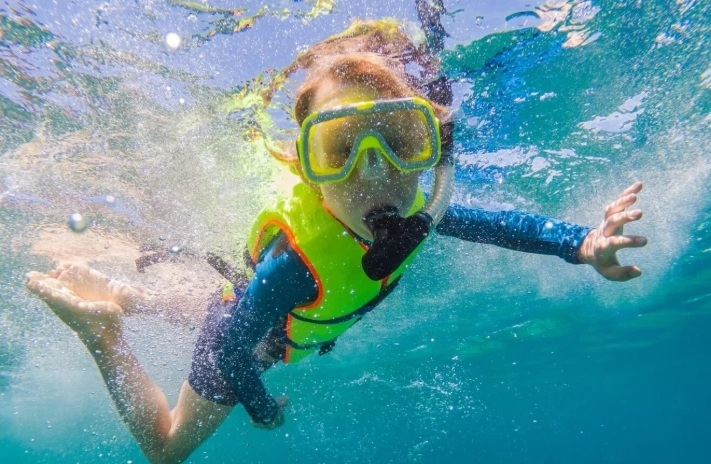
It's a yes, but only if you tick a whole bunch of boxes first. It's a yes, but it depends entirely on your child, your preparation, and the environment you choose. Anyone who gives you a blanket yes without a long list of caveats hasn't done it with a wriggly, curious, sometimes unpredictable little human.
The Core Truth: Snorkeling can be an incredibly safe, magical, and confidence-building activity for children. The danger doesn't come from the activity itself, but from rushing it, using bad gear, picking the wrong spot, or not respecting the water. This guide is about turning those "buts" into a clear, actionable plan.
The Short Answer: It's All About Preparation, Not Just Age
Most people jump straight to age. "What's the right age for kids to start snorkeling?" That's the wrong first question. It's like asking what's the right age to ride a bike. Some four-year-olds are zooming down the street; some seven-year-olds are still on training wheels. Water comfort and listening skills are your true benchmarks.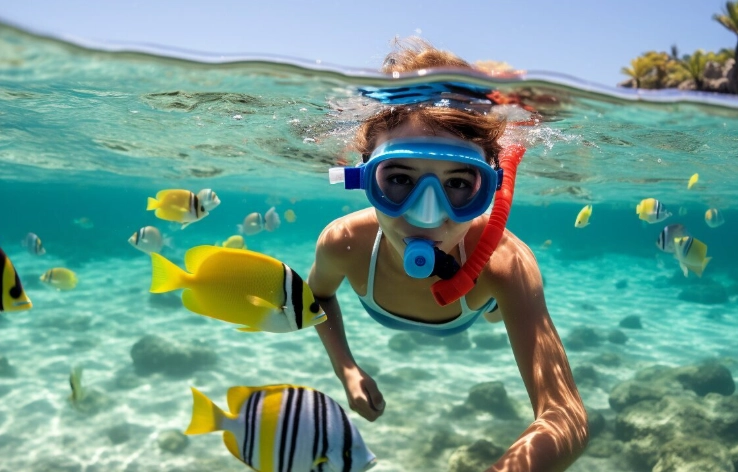
I've seen timid eight-year-olds who hated getting their face wet and fearless four-year-olds (with the attention span of a goldfish, mind you) who were naturals. So, let's reframe the question from "Is snorkeling safe for kids?" to "Is MY kid ready for snorkeling, and what do I need to do to make it safe?"
My personal rule of thumb, after many trips with family and friends' kids? If they can't reliably listen to and follow a direct safety command like "Stop," "Come here," or "Hold my hand" on land when they're excited, they're not ready for the added distraction of the ocean. It's that simple, and sometimes that hard to accept if you've booked a dream vacation.
The Age & Readiness Breakdown: From Toddlers to Tweens
The "Toe-Dipper" Stage (Ages 3-5)
Forget traditional snorkeling. Safety here is about building a love for the water. The goal isn't to see fish; it's to get them comfortable with a mask and breathing through their mouth.
- Activity: Pool play only. Use a full-face snorkel mask? I'm not a fan for this age group in open water due to potential CO2 buildup concerns, but in a shallow, supervised pool for five-minute fun sessions, it can help them get the idea without the mouthpiece struggle.
- Focus: Blowing bubbles in the bath with their face in the water. Playing "look at the toy on the bottom of the pool" with kids' goggles. It's all about making it a game.
- Biggest Risk: Their short attention span and tendency to gulp water if surprised. Constant, touch-distance supervision is non-negotiable. One adult per child, no exceptions.
Is snorkeling safe for kids this young? In the ocean, generally no. In a controlled, shallow pool environment with one-on-one supervision, it can be a safe introduction to the concepts.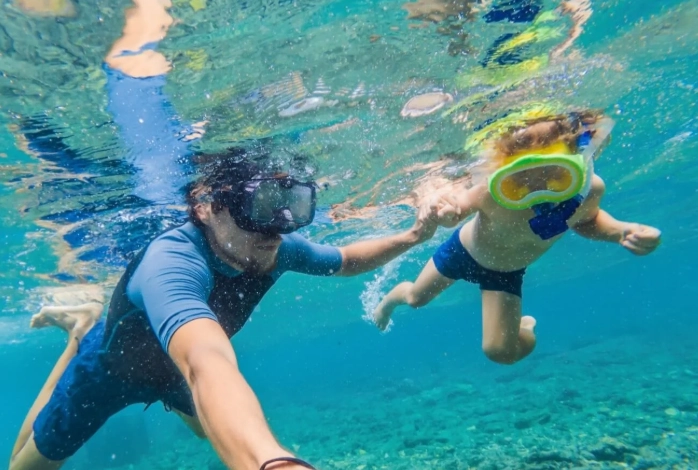
The "Golden Age" for First-Time Snorkelers (Ages 6-9)
This is where the magic often happens. They're more coordinated, can follow instructions better, and their wonder is absolutely infectious. They're also more likely to communicate if something is wrong.
- Key Milestone: Can they swim competently? Not just doggy-paddle, but swim 25 meters and float on their back for 30 seconds? The American Red Cross has great guidelines on swim competencies that are a useful benchmark.
- Gear Shift: Move away from full-face masks. A proper, high-quality kid-sized traditional snorkel set (mask with a soft silicone skirt and a simple splash-guard snorkel) is safer and teaches proper technique. A snorkel vest is mandatory, even if they're strong swimmers. Fatigue is real.
- The Environment is Everything: This age group should only snorkel in calm, protected, shallow bays with sandy bottoms and minimal current. Think hotel lagoons or designated beginner beaches. Reefs with sharp coral and drop-offs are for much later.
Pro Tip from a Been-There-Done-That Parent: Practice clearing the snorkel (blowing the water out) in a pool until it's second nature. The first time they get a mouthful of seawater is when panic can set in. Make a loud, silly "TOOT!" sound when they blow. If they can laugh about it, they're less likely to fear it.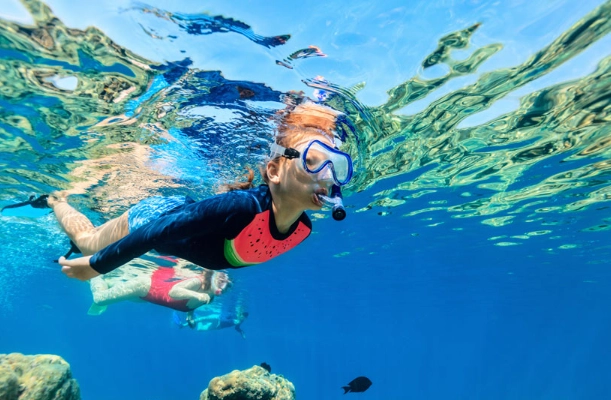
The "Competent Explorer" Stage (Ages 10+)
With a solid foundation, kids here can start to truly explore. Safety shifts from constant hand-holding to buddy system enforcement and environmental education.
- New Skills: They can learn to duck dive (if conditions are safe), identify basic marine life, and understand currents. They should be able to put on their own gear correctly.
- Buddy System: This becomes the ironclad rule. They must always be within sight and signaling distance of their buddy (preferably you or another adult). No wandering off, ever.
- Risk Assessment: You can start to teach them to read the water. Is the current getting stronger? Are we drifting too far from our entry point? This turns them from a passive participant into an active partner in safety.
The Non-Negotiable Gear Checklist: Don't Skimp Here
Bad gear is a top reason kids have a bad, or unsafe, experience. A leaky mask that fogs up instantly will cause frustration and panic. A cheap snorkel that's hard to clear will make them swallow water.
Here’s what you actually need, in order of importance:
| Gear Item | Why It's Critical for Safety | What to Look For (Kid-Specific) |
|---|---|---|
| 1. The Mask | A leaking or foggy mask destroys visibility and comfort, leading to anxiety and head-lifting. | Soft silicone skirt for a comfy seal. Tempered glass lens (safety). Low volume (less air inside, easier to clear). Test the fit on dry land by placing it on the face without the strap and inhaling slightly—it should stay suctioned for a few seconds. |
| 2. The Snorkel | Prevents water inhalation. A poorly designed one is hard to clear or causes breathing resistance. | Simple is best for beginners. A basic J-tube with a splash guard at the top. Avoid complex dry-top valves for first-timers—they can fail and are harder to clear. The mouthpiece should be small and soft. |
| 3. Snorkel Vest / Flotation Aid | This is your #1 safety device. Combats fatigue, provides instant buoyancy, and offers peace of mind. | An adjustable, oral-inflate vest (not a bulky life jacket). They can add a little air for more float or deflate for diving down. It should be bright-colored for visibility. |
| 4. Fins | Not just for speed. They provide propulsion with less effort, conserving energy and helping kids maneuver away from obstacles. | Full-foot fins (like boots) for warmth and ease. Flexible, short blades—stiff fins are exhausting. They must fit snugly; blisters ruin the day. |
| 5. Exposure Protection | Prevents hypothermia (even in warm water) and protects from sunburn and minor scrapes. | A rash guard or thin wetsuit top (0.5-1mm). It provides UV protection (UPF 50+) and a bit of warmth. Don't rely on sunscreen alone; it washes off. |
My biggest gear mistake? Buying a "value pack" from a big-box store. The mask leaked, the snorkel mouthpiece was like chewing on plastic, and the fins gave my niece blisters in 10 minutes. We wasted a morning and $40. Spending a bit more at a dive shop or on a reputable brand online pays off in safety and enjoyment a hundred times over.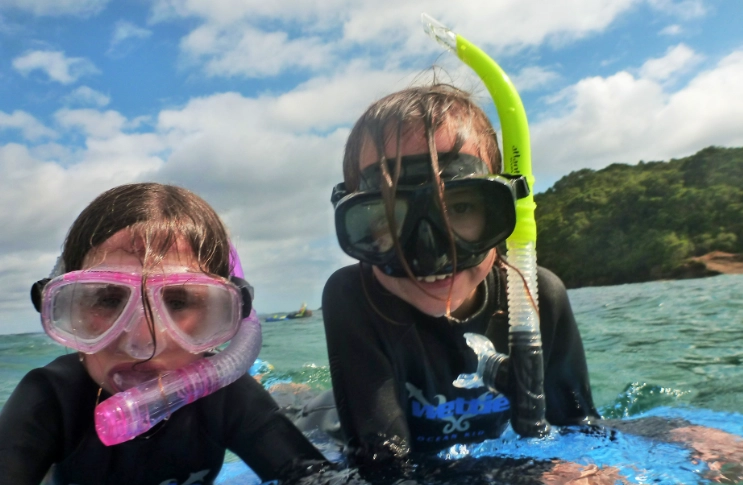
Teaching Them: The Pool is Your Best Friend
Never, ever let a child's first time with snorkel gear be in the ocean. The pool is your safe, controlled classroom.
The 5-Step Pool Prep Protocol:
- Land Drill: Have them put the mask on their face (no strap) and practice breathing through the snorkel with their face OUT of the water. Get used to the mouthfeel.
- Floating Face-In: In the shallow end, have them hold the gutter or your hand, put their face in, and breathe. The goal is 30 seconds of calm, steady breathing. Celebrate this!
- The "Toot" Clear: With the snorkel top above water, pour a little water in the tube. Have them look up, then blow a sharp, forceful burst of air to clear it. Make it a game—who can make the loudest "toot"?
- Mask Clearing: Advanced but crucial. With mask on face in water, break the seal at the top, let water in, then reseal and blow air out through the nose to clear it. This skill eliminates panic if the mask floods.
- Swim & Breathe: Finally, have them swim a short distance in the pool while breathing through the snorkel. Start with them following a line on the pool bottom.
Only when they are bored with the pool exercises are they ready for calm, open water.
Picking the Spot: This Makes or Breaks Safety
You can have the best gear and a well-trained kid, but a bad location makes snorkeling unsafe for anyone, let alone children.
AVOID: Beaches with big waves, strong currents (even if they look mild), boat traffic, deep water drop-offs, or limited visibility. Also, avoid crowded snorkel tours where the guide might lose track of a small, slow swimmer.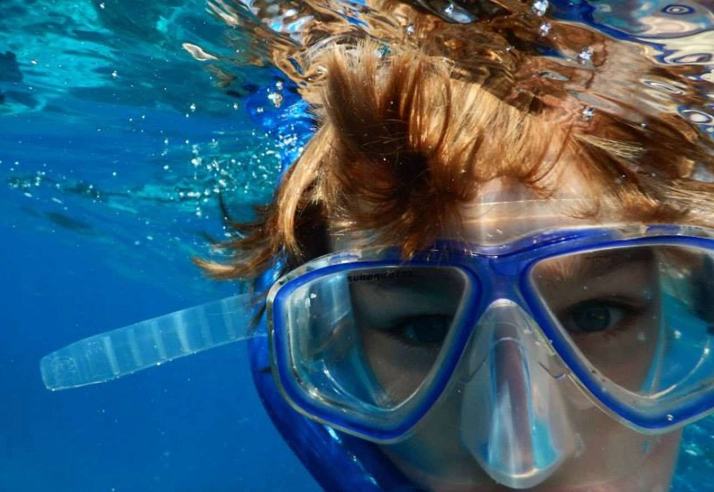
SEEK OUT:
- Protected Bays or Lagoons: Look for spots enclosed by a natural rock wall or reef that breaks the ocean swell.
- Sandy Entry and Bottom: No scrambling over slippery rocks or sharp coral to get in. A sandy bottom is safer if they need to stand up.
- Shallow, Clear Water (3-8 feet deep): This allows them to see the bottom easily, reduces pressure on ears, and lets them stand up if tired. The NOAA website and local marine park authorities often have great resources on calm, family-friendly snorkel sites.
- Calm Time of Day: Go in the morning. Wind and chop usually pick up in the afternoon.
I once made the mistake of going to a "famous" snorkel spot in the afternoon because our morning was busy. What was a glassy calm cove in the brochures was a choppy, windy mess. The kids spent 10 minutes fighting the waves before getting scared and cold. We called it immediately. Lesson learned: be flexible and always have a backup plan (like the hotel pool).
The On-Site Safety Drill & Rules
Before anyone gets wet, have a family huddle.
The Pre-Snorkel Briefing (Say This Out Loud):
- "We are buddies. You can always see me, I can always see you. If you get separated, stop, look up, and tread water. I will find you."
- "Hand signals: Thumbs up = "I'm okay/go up." Thumbs down = "I want to go down/get lower." Flat hand waving = "Problem, come here." Pointing = "Look at that!""
- "Never touch anything. Not the coral, not the fish, not the urchins. Look with your eyes." (Touching coral damages it forever, and some marine life stings or bites).
- "If you're tired, cold, scared, or just done, tell me immediately. No shame. This is supposed to be fun."
Stay close. For young kids, hold hands or have them hold onto a floating noodle that you also hold. For older kids, stay within 10-15 feet. Constantly scan: their position, their buddy, the surroundings, the current.
Limit sessions. 20-30 minutes is plenty for a first timer. Fatigue leads to mistakes. Get out, have a snack, drink water, and reassess.
Answering Your Big Questions (FAQ)
What about ear infections or sinus issues?
If your child is prone to ear infections, consult a doctor before the trip. For equalizing pressure, young kids often do it automatically, but teach them to gently pinch their nose and blow gently if they feel pressure in their ears. Never force it. If they can't clear their ears, the dive is over.
My child is scared of fish! Is that normal?
Totally normal! The underwater world is alien. Large schools of fish or a curious parrotfish can be intimidating. Start in water so shallow they can stand and let fish approach them. Show them pictures beforehand. Never force them to swim towards something that scares them.
Are snorkel tours or guided trips safer?
They can be, if you pick the right one. Look for family-specific tours with small groups, guides who are trained in child safety (like those from PADI or other recognized agencies), and boats that go to explicitly calm, shallow sites. Ask directly: "What is your guide-to-child ratio?" Avoid the cattle-boat tours.
What if my child has asthma?
This requires a direct conversation with your pediatrician. Snorkeling is generally considered safe for well-controlled asthma, as you are breathing warm, humid air. However, the stress of a new activity or cold water could potentially trigger symptoms. Your doctor's advice is the only rule here.
How do I protect them from the sun?
This is a huge part of safety! A rash guard is your first line of defense. Apply a reef-safe, waterproof sunscreen to all exposed skin (face, ears, backs of hands, backs of knees) at least 30 minutes before getting in the water. Reapply immediately after getting out. Consider a thin, long-sleeved swim shirt and a hat for the boat ride. Dehydration and sunburn are the most common vacation-enders.
It's about honestly assessing your child's skills, investing in proper gear, doing the boring pool work, choosing the location with the diligence of a scout leader, and staying hyper-vigilant while in the water. It's an active process, not a passive activity.
When you get it right, though, there's nothing like it. The first time your kid pops their head up, eyes wide as saucers behind the mask, spits out the snorkel and shouts, "Mom, I saw a BLUE one!"—that's the payoff. That moment of pure, unadulterated wonder makes all the preparation worth it. You've not just kept them safe; you've opened a door to a whole new world for them. And that's a pretty amazing thing to do.
Start in the pool this weekend. See how it goes. Take it slow. The ocean will still be there when you're both ready.
Reader Comments