Let's be honest. You can have the most stunning reef on your doorstep, but if your mask keeps fogging up or your fins give you blisters, the magic is gone. I've been snorkeling for over a decade, from the chilly waters of the Pacific Northwest to the bath-warm Caribbean, and the single biggest upgrade to my experience wasn't a fancy destination—it was investing in the right gear. The market is flooded with options, from suspiciously cheap Amazon bundles to eye-wateringly expensive professional sets. This guide cuts through the noise. We're not just listing brands; we're comparing their philosophies, who they're built for, and where they often cut corners. By the end, you'll know exactly which brand deserves your money.
What's Inside?
Beyond the Logo: Why Brand Philosophy Matters
You wouldn't buy a car without knowing if it's built for off-roading or city commuting. Snorkel gear is the same. Some brands design for the casual vacationer who snorkels once a year in calm bays. Others engineer for the enthusiast who spends hours in the water, dealing with currents and variable conditions. This core design intention affects everything: the softness of the silicone, the purge valve mechanism, the fin blade stiffness. A brand like Cressi has deep roots in competitive spearfishing—their gear is built for performance and efficiency. A brand like Phantom Aquatics targets the value-conscious beginner. Neither is inherently "better," but one is almost certainly better for you.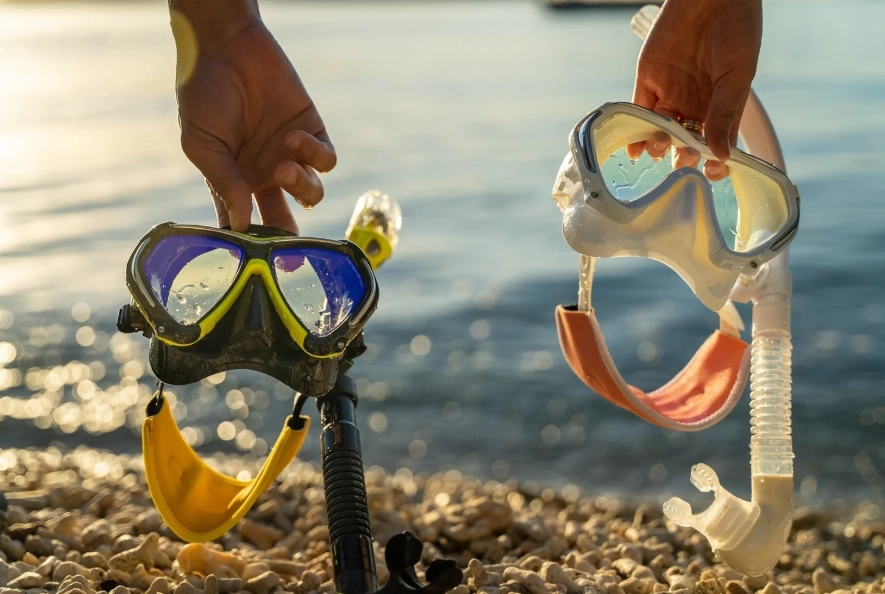
My Early Mistake: I once bought a high-performance, low-volume mask designed for freedivers. It offered an incredible field of view, but the skirt was so firm it left a deep red ring on my face after 30 minutes. It was a great mask, just not for leisurely reef exploration. The brand's philosophy was all about minimalism and performance, not all-day comfort.
Top Snorkeling Gear Brands Deconstructed
Here’s a deep dive into the leaders, based on years of personal use, community feedback, and dissecting product specs.
Cressi: The Italian Performance Powerhouse
Cressi is a legacy brand from Genoa, Italy, with a history in diving since 1946. Their snorkeling gear inherits this professional DNA.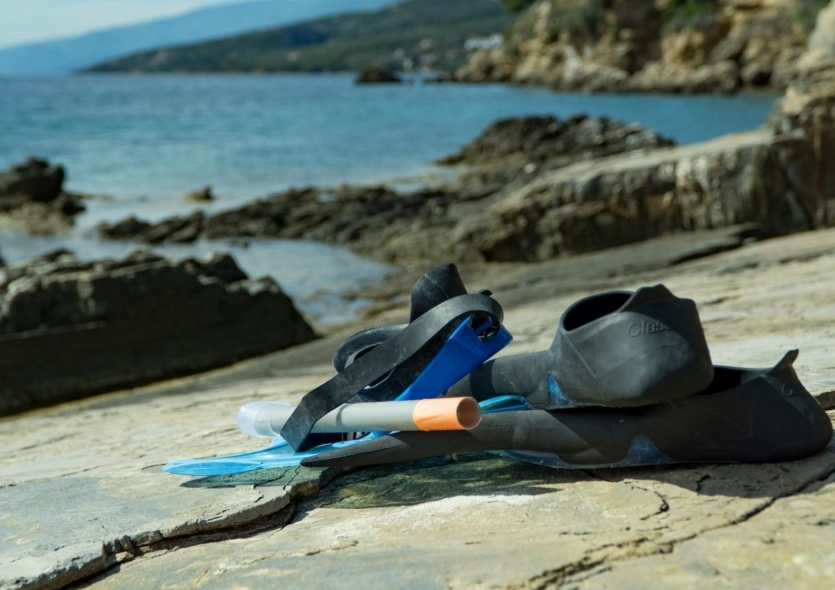
- What They Do Best: Reliability and refined design. Their masks, like the popular Cressi F1, often feature crystal-clear tempered glass, perfectly angled snorkels for minimal drag, and fin blades with an efficient thrust-to-effort ratio. The silicone on their masks tends to be high-grade and durable.
- Where They Can Miss: Price. You pay for the heritage and R&D. Their sets aren't the cheapest. Also, some of their more performance-oriented fins (like the Cressi Pro Light) can be too stiff for a pure beginner, requiring stronger leg muscles.
- Best For: Frequent snorkelers, travel enthusiasts who want gear that lasts for years, and those who appreciate technical refinement.
Aqua Lung: The Diving Giant's Snorkeling Line
Aqua Lung (formerly U.S. Divers) is synonymous with scuba. Their snorkeling gear benefits from this rigorous testing and focus on underwater ergonomics.
- What They Do Best: Dry-top snorkels. Models like the Aqua Lung Impulse Dry are consistently rated among the best at preventing water entry. They also excel at creating comfortable, wide-seal skirts on their masks that suit a variety of face shapes.
- Where They Can Miss: Their product line can feel overwhelming. Distinguishing between their numerous snorkel models requires careful reading. Some designs prioritize function over sleek aesthetics.
- Best For: Anyone who hates swallowing water. Also great for those with wider facial features or who plan to transition to scuba eventually.
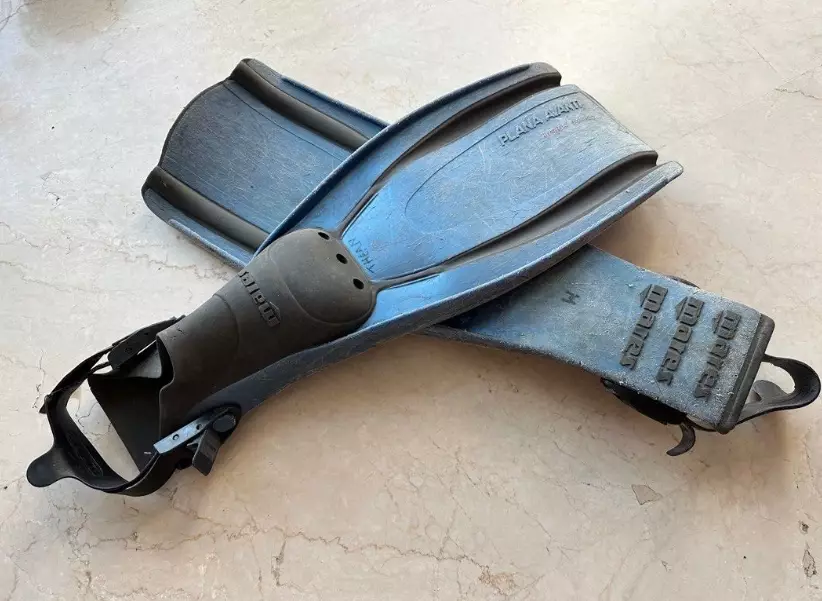
Mares: Innovation and Comfort Focus
Another Italian giant, Mares is known for constant innovation. They often introduce new materials and features aimed at solving specific user annoyances.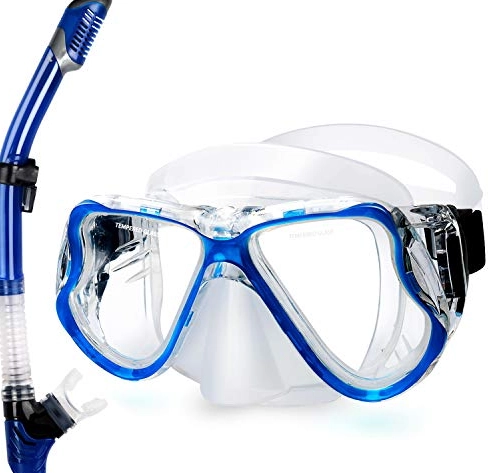
- What They Do Best: Comfort-focused design. Their masks frequently use ultra-soft silicone. They pioneered the "liquid skin" skirt on masks like the Mares Star, which aims to seal comfortably without over-tightening. Their fins often feature ergonomic foot pockets.
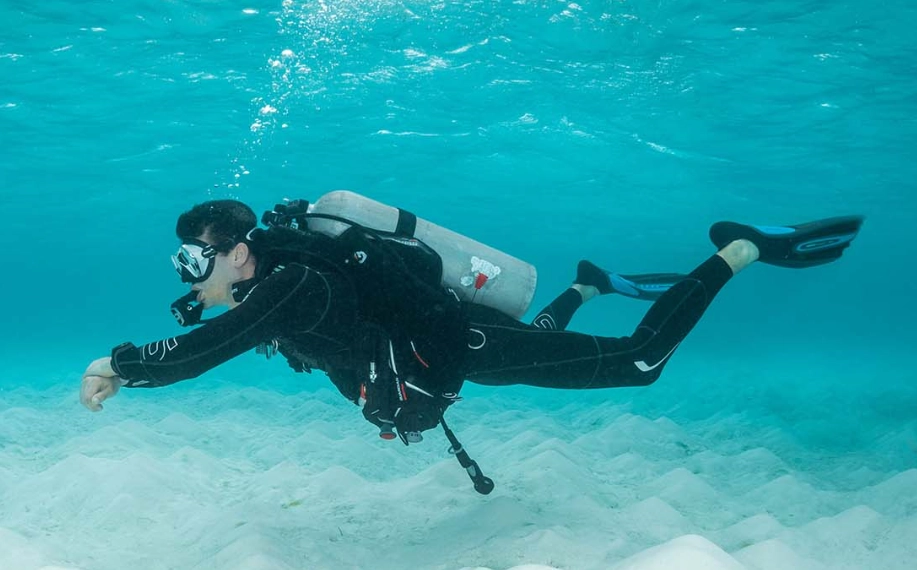
- Where They Can Miss: The innovative features can sometimes feel like gimmicks if you don't need them. The very soft silicone, while comfortable, may not be as long-lasting as thicker compounds if not cared for properly.
- Best For: Snorkelers who prioritize comfort above all else, especially those with sensitive skin or who wear glasses and need a mask that doesn't press hard.
Phantom Aquatics: The Value Leader
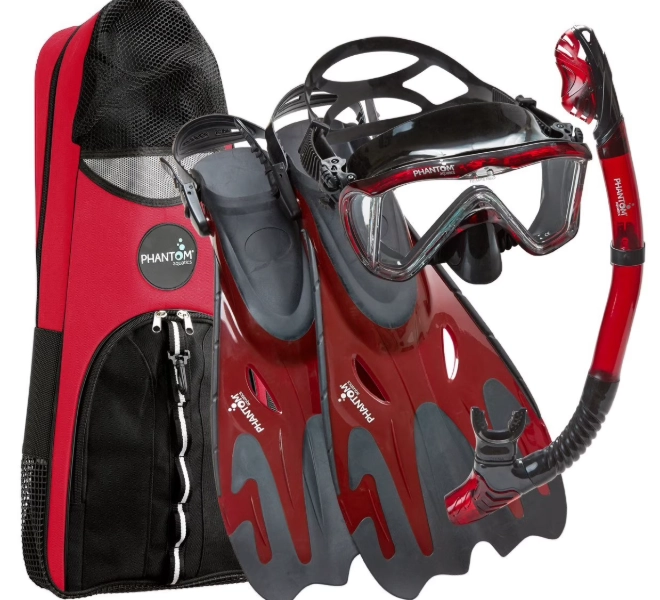
Phantom Aquatics dominates the budget and beginner market, often found in big-box sporting goods stores and online marketplaces.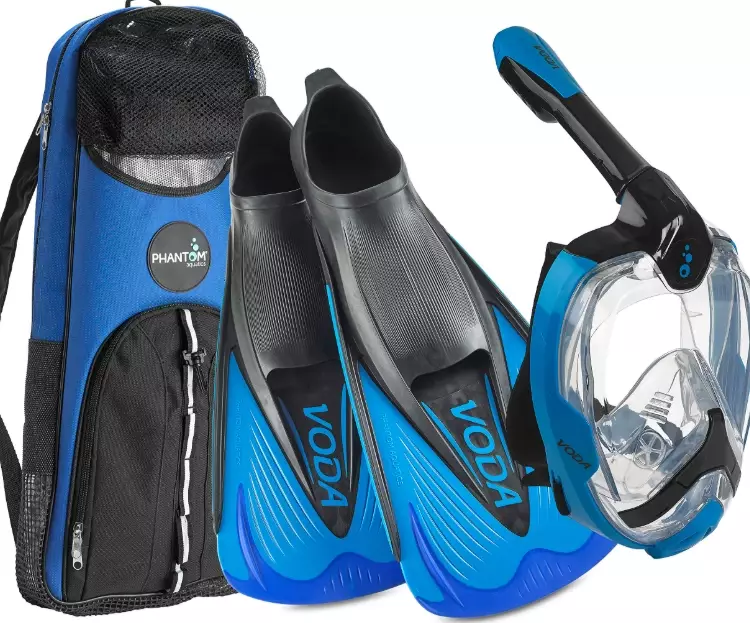
- What They Do Best: Affordability and complete set packages. You can get a mask, snorkel, fin, bag, and sometimes even defogger for the price of a single mid-range fin from other brands. It's a low-risk entry point.
- Where They Can Miss: Consistency and materials. The silicone can have a strong chemical smell initially and may degrade faster. Mask skirts are often thinner and less pliable, leading to more frequent leaking for some face shapes. The purge valves on dry snorkels can fail more quickly.
- Best For: First-timers on a tight budget, families buying for growing kids, or someone who snorkels very infrequently (once every few years).
Head-to-Head Brand Comparison Table
This table lays out the key decision-making factors at a glance.
| Brand | Key Characteristics | Price Range (for a basic set) | Ideal User Profile | Notable Strength |
|---|---|---|---|---|
| Cressi | Performance heritage, reliable, efficient design | $$$ (Mid to High) | The frequent traveler / performance seeker | Fin efficiency & mask clarity |
| Aqua Lung | Scuba-grade engineering, focus on dry-top tech | $$$ (Mid to High) | The water-avoider / future diver | Superior dry snorkel systems |
| Mares | Comfort innovation, ultra-soft materials | $$ (Mid) | The comfort-first snorkeler | Mask skirt comfort & seal |
| Phantom Aquatics | Extreme value, complete packages | $ (Budget) | The casual beginner / budget buyer | Unbeatable entry cost |
How to Choose: Matching a Brand to Your Snorkeling Life
Stop thinking about gear in a vacuum. Think about your habits.
If you travel to snorkel 1-2 times a year and want hassle-free enjoyment, invest in a mid-range set from Cressi, Aqua Lung, or Mares. The reliability is worth it. You don't want your annual trip ruined by a leaky mask you saved $40 on.
If you live near the coast and snorkel monthly, you're an enthusiast. You'll feel the difference in fin efficiency and mask comfort. Look closely at Cressi and Aqua Lung's higher-end lines. Consider buying components separately (a Mares mask for comfort, Cressi fins for power).
If you're trying snorkeling for the first time or are buying for a child, a Phantom Aquatics set is a perfectly rational choice. It lets you test the waters without a major commitment. Just know its limitations—if you fall in love with the sport, you'll likely outgrow it.
The One Mistake Even Experienced Snorkelers Make
They buy based on online reviews alone. Here's the non-consensus truth: Your face and feet are unique. A mask that seals perfectly on 90% of people might be the 10% leaky nightmare for you. The only way to know is a fit test.
Before you buy any mask, do this: Place it on your face without putting the strap over your head. Gently inhale through your nose. The mask should suction to your face and stay put for a few seconds when you let go. That indicates a good primary seal. Now, pay attention to the skirt. Does it press evenly, or does it dig in under your nose or on your temples? Pressure points equal leaks and headaches later.
For fins, the foot pocket is everything. It should feel snug but not crush your toes or arch. Heel slippage causes blisters. Many dive shops (like those affiliated with PADI or SSI) will let you try on gear, even if you're not taking a course. It's worth the trip.
Your Snorkeling Gear Questions, Answered
Is it worth buying a separate mask, snorkel, and fins instead of a pre-packaged set?
For anyone beyond the absolute beginner, absolutely. Pre-packaged sets often include a mediocre snorkel and fins to hit a price point. Your mask is the most personal item—find the one that fits your face perfectly. Then, pair it with a high-quality dry snorkel from Aqua Lung or a flexible one from Mares, and choose fins based on your leg strength and swimming style. The modular approach yields a superior system.
Can I use a cheap snorkel set from a big-box store for a week in Hawaii?
You can, but it's a gamble. I've seen those sets fail on day one—a foggy mask that won't clear, a fin strap that snaps. For a once-in-a-lifetime trip, the stress and potential disappointment aren't worth the $50-80 you save. At a minimum, buy a mid-range mask from a reputable brand. You can often rent decent fins locally if your budget is tight, but a leaky mask will ruin every outing.
How important is a "dry" snorkel really?
For beginners and casual snorkelers, it's a game-changer. A good dry snorkel (with a floating valve that seals the tube when submerged) prevents 90% of the accidental gulps of seawater that cause people to panic and hate snorkeling. For more advanced snorkelers who dive down frequently, a simpler, less bulky "semi-dry" or traditional J-snorkel can be preferable as it has fewer moving parts to fail and less drag.
What's the single most important piece of gear to splurge on?
The mask, without question. If you can't see clearly and comfortably, nothing else matters. A $150 mask that fits perfectly is a better investment than a $300 set where the mask leaks. Allocate the largest portion of your budget here. A great mask can last a decade with proper care (avoid sunlight, rinse with fresh water, store in a protective case).
Do I need open-heel fins with booties, or are full-foot fins okay?
This depends entirely on where you'll use them. Full-foot fins (like most snorkeling sets) are for warm water only, worn barefoot. They're lighter and more travel-friendly. Open-heel fins with neoprene booties are for cooler water, rocky shore entries, or if you have sensitive feet. They offer more protection and adjustment but are bulkier to pack. If your snorkeling is strictly from sandy beaches in tropical locations, full-foot fins are the standard choice.
Reader Comments