You're finally on that dream snorkeling trip. The water is crystal clear, tropical fish are darting around, and then you put your face in the water... and it's all a colorful, shapeless blur. If you wear glasses, this moment is painfully familiar. The good news? You have more options than you think, and you don't have to miss out on the underwater world. I've been a snorkeling and diving enthusiast for over a decade, and as someone with a -4.5 prescription, I've tried every trick in the book. Let's cut through the noise and find the solution that actually works for you.
What's Inside This Guide
- Why Clear Vision Underwater Isn't Just Nice, It's Necessary
- The Four Main Solutions: A Head-to-Head Comparison
- Prescription Snorkel Masks: Your Best Long-Term Bet
- The Contact Lens Route: Convenience vs. Complications
- DIY & Temporary Fixes (And When to Avoid Them)
- How to Choose: A Simple Decision Framework
- Your Top Questions, Answered by Experience
Why Clear Vision Underwater Isn't Just Nice, It's Necessary
This isn't just about seeing a pretty fish. It's about safety, enjoyment, and getting your money's worth. A blurry underwater experience is disorienting. You can't judge distances from coral or rocks, making it easy to bump into things. You might miss subtle hand signals from a dive buddy. More importantly, you miss the details—the intricate patterns on a nudibranch, the curious eye of an octopus. That's what you paid for. The American Academy of Ophthalmology stresses that good vision is critical for spatial awareness in any activity, and water magnifies that need. So, solving this is a priority.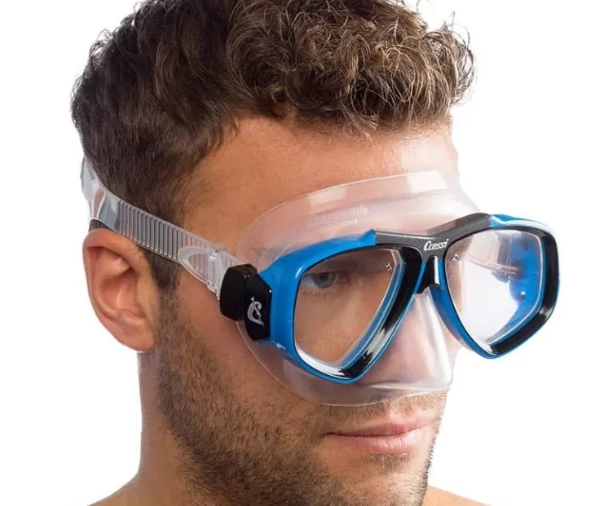
The Four Main Solutions: A Head-to-Head Comparison
Before we dive deep into each one, here's the lay of the land. I've ranked these based on my experience for clarity, convenience, cost, and overall reliability.
>td>Regular snorkelers/divers, strong prescriptions, astigmatism.>td>Occasional users, those who already wear contacts comfortably.>td>Travelers wanting a cheaper, semi-permanent fix.>td>Very mild, age-related near-sightedness (presbyopia) only.| Solution | How It Works | Best For | Estimated Cost | Biggest Pro | Biggest Con |
|---|---|---|---|---|---|
| Prescription Dive/Snorkel Mask | Custom lenses bonded into a standard mask frame matching your exact prescription (sphere, cylinder). | $80 - $200+ | Perfect, permanent clarity. Feels like normal vision. | Higher upfront cost. You own a dedicated mask. | |
| Contact Lenses | Wear your daily or extended-wear contacts under any regular mask. | Cost of contacts | Maximum flexibility. Use any rental gear. | Risk of lens loss/irritation. Not ideal for all eye types. | |
| Stick-On Prescription Lenses | Adhesive diopter lenses that stick to the inside of your mask's glass. | $20 - $50 per pair | Affordable. Can be applied to your favorite mask. | Can peel, fog, or reduce peripheral vision. Quality varies wildly. | |
| Mask with Generic Readers | Masks with built-in, non-prescription magnifying lenses (e.g., +1.0, +2.5). | $40 - $80 | Cheap and readily available. | Useless for most myopia/hyperopia. A mismatched solution for 90% of people. |
See that last one? That's a common trap. Generic "reader" masks solve a different problem (losing near vision with age). If you're nearsighted or farsighted, they do almost nothing. Now, let's get into the details.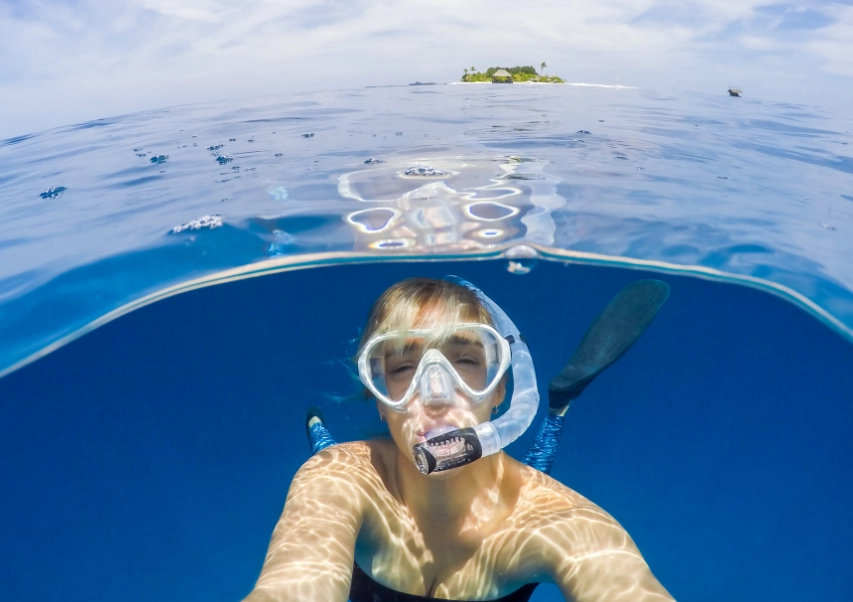
Prescription Snorkel Masks: Your Best Long-Term Bet
If you plan to be in the water more than once a year, this is where you should focus your research. The investment pays off in spades.
How Prescription Snorkel Masks Work
It's simpler than you might imagine. Companies like TUSA, Cressi, and Aqua Lung sell masks designed to have the standard tempered glass lenses popped out and replaced with custom-ground optical lenses. You send in your prescription (yes, you need a recent one from your optometrist), and they bond the new lenses into the frame. The process accounts for the air-to-water visual shift—something DIY solutions often get wrong.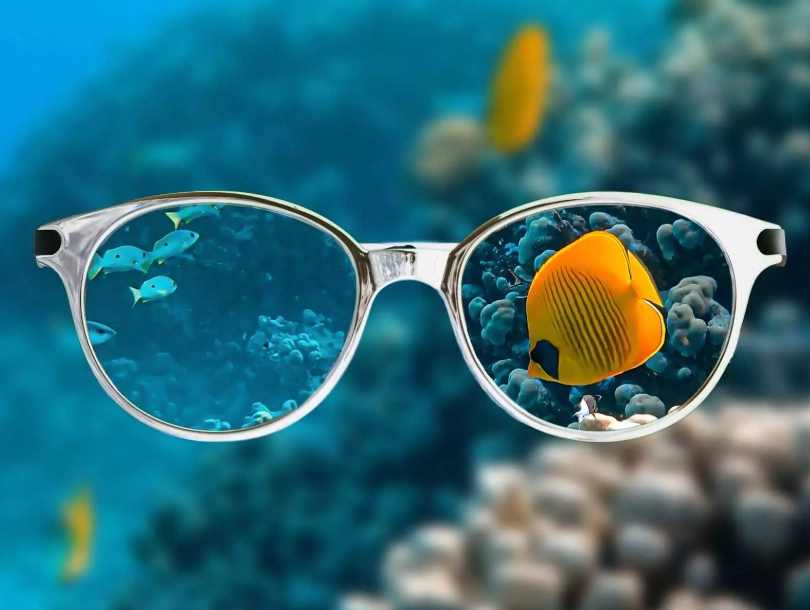
Types and Top Brands
You have two main paths:
- Full Custom Lenses: The gold standard. Companies like SeaVision grind lenses to your exact sphere, cylinder, and axis. This is the only real solution for significant astigmatism. Expect to pay $150-$250.
- Pre-Ground Diopter Inserts: More affordable. Brands like IST Sports or Aqua Optical offer masks where you can order the left and right lens separately in full-diopter steps (e.g., -3.0, -4.0). Great if your prescription is a simple, round number. Cost: $80-$150.
I own a SeaVision mask for diving and an IST mask for snorkeling. The difference in edge clarity with my astigmatism is noticeable in the custom lenses, but for recreational snorkeling, the IST has been fantastic.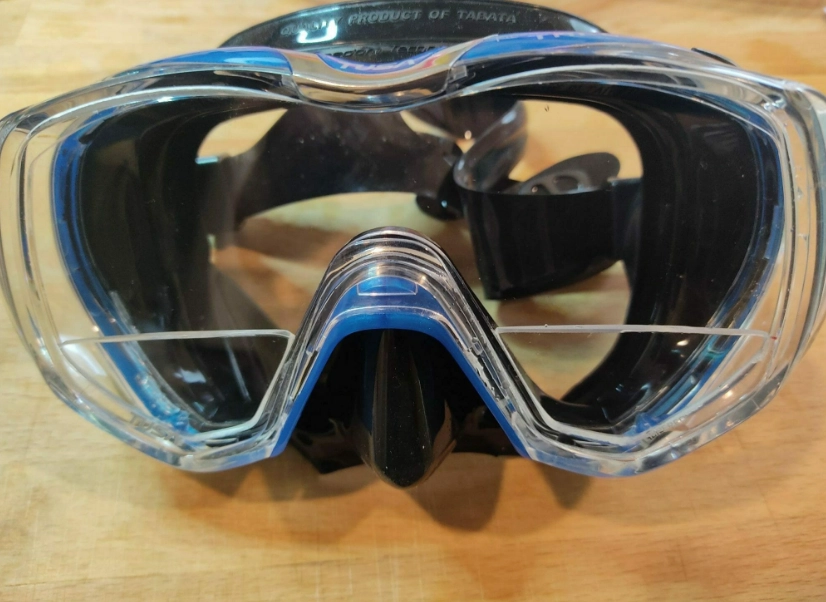
The Ordering Process, Demystified
- Get Your Prescription: Visit your eye doctor. Specifically ask for your "contact lens prescription" or a copy of your full eyewear prescription. You need the numbers for SPH (sphere), CYL (cylinder), and AXIS.
- Choose Your Mask Frame First: Fit is everything. A leaking mask ruins everything. Go to a dive shop (like a local PADI affiliate) and try on masks. Find one that seals perfectly on your face without the strap. Note the make and model.
- Order the Lenses: Go to the manufacturer's website or a retailer like LeisurePro. Select your mask model, then input your prescription details. They handle the conversion and bonding.
The Contact Lens Route: Convenience vs. Complications
This seems like the easy answer. Just pop in your dailies and go. And for many, it works. But the ocean adds variables your optometrist's office doesn't.
The Good
You can use any rental mask. No extra gear to buy or travel with. If you're already a comfortable contact lens wearer, it's second nature.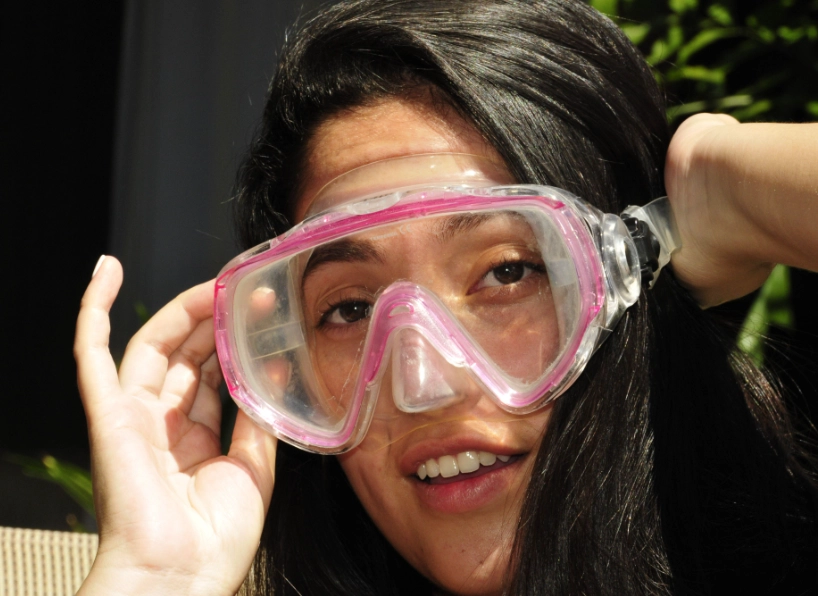
The Not-So-Good (The Stuff Nobody Talks About)
- The Flush Risk: If your mask floods with seawater—and it will at some point—that salty, gritty water gets trapped against your eye and lens. It's incredibly irritating and can dislodge the lens. I've lost a lens to a surprise wave during a surface swim.
- Extended Wear in Harsh Conditions: Sun, wind, and salt spray can dry out your lenses faster. You need rewetting drops, but make sure they're compatible with your lens type.
- Post-Dive Dryness: After a long snorkel, your eyes are tired. Taking out contacts on a boat with salty fingers is a chore.
The CDC recommends using daily disposable lenses for swimming and discarding them immediately afterward to reduce infection risk from microbes like Acanthamoeba. That means even if you use monthlies, treat them as dailies for snorkeling days. This cost adds up.
DIY & Temporary Fixes (And When to Avoid Them)
Let's talk about the hacks you find in forum corners.
Stick-On Lenses: A Mixed Bag
Brands like U.S. Divers sell these. They're adhesive diopter circles. In a pinch, they can improve things. But they often create a double-vision "step" at the edge, fog up more easily in the gap between the stick-on and the mask, and can peel off after a season. I used them once on a backpacking trip. They worked for a week, but the clarity was nowhere near my prescription mask. Okay for a one-off, terrible as a primary solution.
The "Glasses Under the Mask" Non-Starter
Just don't. It breaks the mask seal instantly, causing constant leaks. The frames press painfully into your nose and temples. It looks and feels ridiculous. This is the first idea everyone has and the first one you should discard.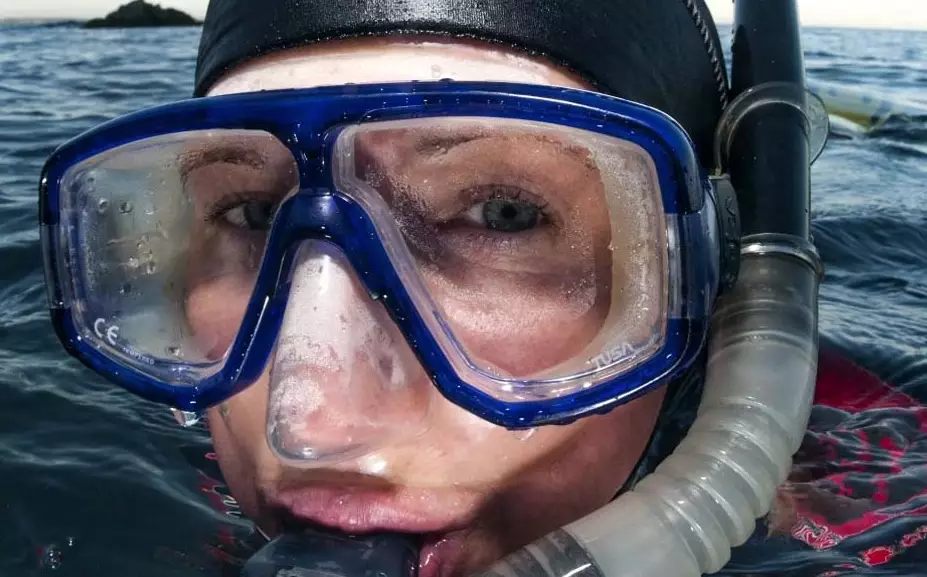
How to Choose: A Simple Decision Framework
Stuck? Ask yourself these questions:
- How often will I use this? Once a year on vacation -> Strongly consider contacts or stick-ons. Several times a year -> Prescription mask.
- What's my prescription like? Simple nearsightedness (-2.0, -3.0) -> Pre-ground diopter inserts work. Have astigmatism or a complex script -> Full custom lenses.
- What's my comfort with contacts? Never worn them/they irritate me -> Prescription mask. Wear them daily without issue -> Contacts are a viable option.
- What's my budget? Under $50 -> Stick-ons or generic readers (if applicable). $80-$250 -> Invest in a prescription mask.
For most people who are serious about seeing underwater, the answer trends toward a prescription snorkel mask. It's a dedicated tool that solves the problem perfectly, every time.
Your Top Questions, Answered by Experience
The bottom line is this: you don't have to choose between seeing the world above water and the one below it. With a bit of planning and the right gear, you can have both in perfect focus. Start with a well-fitting mask frame, then build your optical solution around it. The underwater world is too amazing to see as a blur.
Reader Comments