Explore the Highlights
- Why the Galapagos is the Ultimate Snorkeling Destination
- Top Snorkeling Sites in the Galapagos: A Location Breakdown
- What You'll Actually See: The Marine Life Cast
- When to Go: Timing Your Snorkeling in Galapagos Adventure
- Gear, Logistics, and Pro Tips You Won't Find in a Brochure
- Frequently Asked Questions (The Real Ones)
- Final Thoughts: More Than Just a Swim
Let's be honest, when you picture the Galapagos, you probably think of giant tortoises and funny blue-footed boobies. I did too. But let me tell you, the real magic of this place? It's happening just below the surface. Snorkeling in Galapagos isn't just an activity; it's a front-row ticket to a living documentary where the wildlife hasn't read the script about being afraid of humans.
I remember my first jump off the side of a panga (that's the local dinghy) into the chilly water off Isabela Island. The shock of the cold was real—nobody really warns you about that part enough. But then I looked down, and a young sea lion pup was spinning circles around me, blowing bubbles right in my mask. That's the Galapagos for you. Unscripted, unbelievable, and a bit chilly.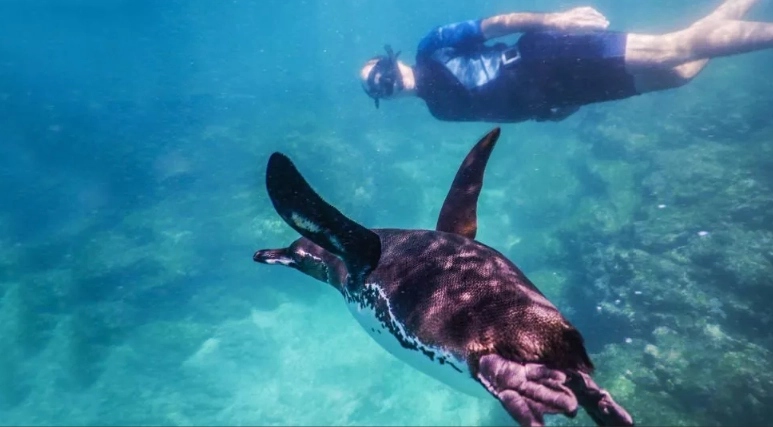
This isn't your average tropical snorkel trip. The water is cooler, the currents can be feisty, and you're sharing the space with creatures that rule their domain. That's what makes snorkeling in the Galapagos Islands a uniquely raw and rewarding adventure.
Why the Galapagos is the Ultimate Snorkeling Destination
So what's the big deal? Why do people fly halfway across the world, pay a pretty penny, and brave the cold water? It boils down to three things you simply can't get anywhere else: fearless wildlife, insane biodiversity, and pristine conditions.
The animals here are curiously tame, a legacy of their isolation and the strict conservation laws. A marine iguana will munch on algae right next to you. A penguin might zip past your fins. A sea turtle won't budge as you float above it. This lack of fear creates connections you'll replay in your mind for years.
Also, you're snorkeling at the confluence of three major ocean currents. This marine cocktail brings a wild mix of cold-water and tropical species together. Where else can you see a penguin and a parrotfish on the same dive? Nowhere. That's the answer.
The protection is serious business. The Galapagos National Park Directorate manages everything with an iron fist in a velvet glove. Visitor sites are rotated, group sizes are limited, and rules are strict. This keeps the reefs healthy and the encounters magical. It's a model of sustainable tourism that actually works.
Top Snorkeling Sites in the Galapagos: A Location Breakdown
Not all spots are created equal. Some are gentle, sandy bays perfect for beginners. Others are channel drifts for the adrenaline seekers. Your experience with snorkeling in Galapagos will hinge massively on where your boat goes or where you choose to go from shore.
Here’s the real scoop on the major sites, based on where you’re likely to visit.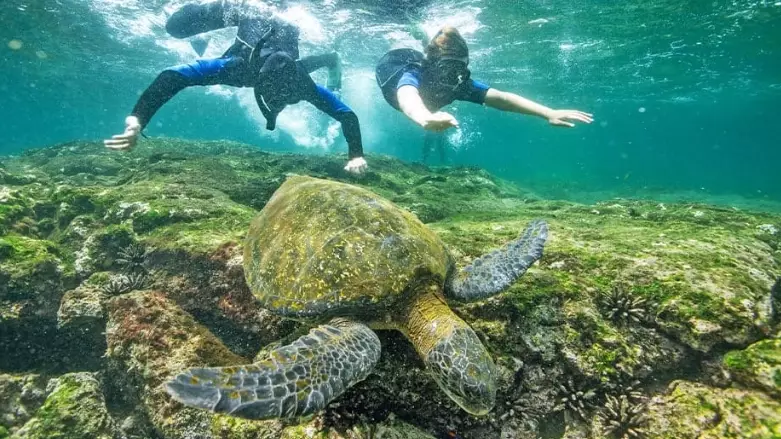
| Location/Island | Spot Name | What Makes It Special | Best For | Difficulty |
|---|---|---|---|---|
| Isabela Island | Los Túneles (Cabos Rosa) | Lava arch formations, sea horses, white-tip reef sharks resting in pools, often sea turtles & rays. | Moderate (boat access only, some current) | |
| Isabela Island | Concha de Perla | Easy shore access from Puerto Villamil. A protected lagoon. Frequent sea lions, turtles, rays. | Beginners, families, a quick & easy dip. | Easy |
| Santa Cruz Island | Tortuga Bay | Long, stunning white-sand beach. The far end (Playa Mansa) is a calm bay. Baby reef sharks, turtles, rays. | Beach day combined with snorkeling, beginners. | Easy (but a long walk to the beach) |
| Santa Cruz Island | Las Grietas | A deep, clear freshwater fissure between canyon walls. Unique setting, different fish. | Something different, cooling off, clear water. | Easy to Moderate (involving stairs/rocks) |
| Floreana Island | Devil's Crown | A submerged volcanic crater. Arguably the BEST snorkeling in Galapagos. Huge fish schools, sharks, eagle rays, incredible coral. | Advanced snorkelers, strong swimmers, epic marine life. | Challenging (strong currents, open ocean) |
| Española Island | Gardner Bay | Beautiful beach with a rocky snorkeling point. Famous for playful, curious sea lion colonies. | Sea lion interactions, combining beach time. | Easy to Moderate (can be surge near rocks) |
| North Seymour Island | Coastal Rocks | Nutrient-rich waters attract larger life. Often see reef sharks, rays, and big schools of fish. | Seeing bigger pelagic species from the surface. | Moderate (currents common) |
Personal take? Devil's Crown lived up to the hype—it was like swimming in an aquarium on steroids. But Los Túneles had the most "otherworldly" vibe. The lava structures are bonkers. For a pure joy factor, nothing beats the young sea lions at Gardner Bay. They have the energy of puppies and will nibble playfully at your fins.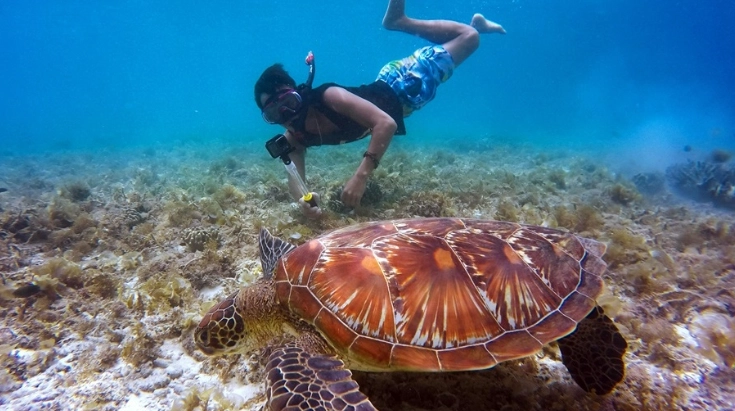
A word of caution about "The Channel" between Isabela and Fernandina. Some tours offer this as a snorkeling spot. It's for expert swimmers and divers only. The currents are no joke, the water is the coldest, and while you might see massive marine life, it's a serious undertaking. Don't feel pressured to do it if you're not confident.
What You'll Actually See: The Marine Life Cast
This is the part you're waiting for. Who's in the cast of this underwater show?
The A-List Celebrities
Sea Lions: The undisputed stars. They are playful, incredibly agile, and will often initiate interaction. Pups are the most curious. Remember, they are wild animals, so don't chase them, but if they come to you, it's pure magic.
Marine Iguanas: The only lizards in the world that forage in the sea. Watching them swim with their serpentine tail motion is surreal. They'll be grazing on algae-covered rocks underwater, completely unfazed by you.
Galapagos Penguins: The only penguins found north of the equator. They are small, fast, and adorable. Seeing one torpedo past you while snorkeling is a highlight few places on Earth can offer.
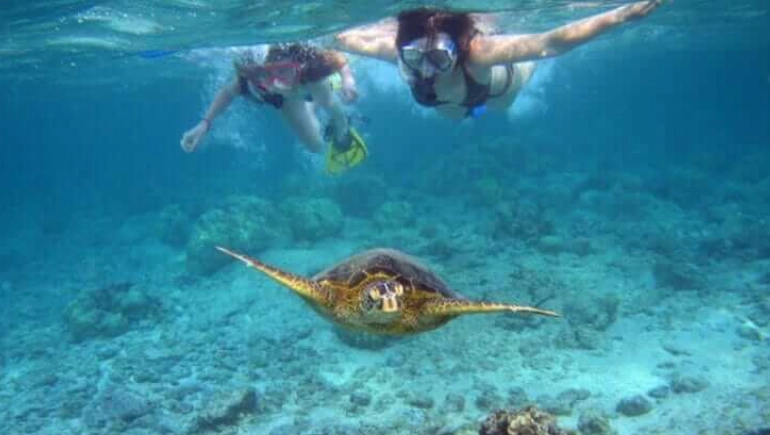
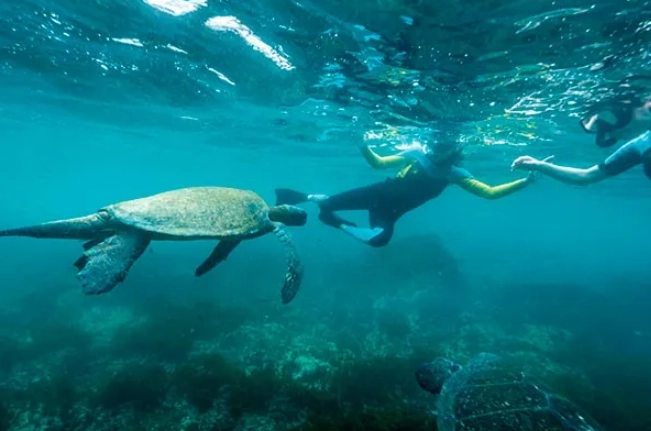
Sea Turtles: Mostly Green Sea Turtles and the occasional Hawksbill. They are everywhere. You'll see them sleeping under ledges, munching on seaweed, or gracefully swimming by. They are very calm.
The Supporting Cast
Rays: Spotted Eagle Rays (my favorite, with their polka-dot wings), Golden Rays, and Stingrays are common. They are graceful and often seen buried in the sand or flying in formation.
Reef Sharks: Mostly White-tip and Black-tip Reef Sharks. They are small, harmless, and often seen resting on the sandy bottom during the day. Don't expect Jaws; expect a lazy, sleek fish that ignores you.
Tropical Fish: Parrotfish, King Angelfish, Damselfish, Surgeonfish (with those sharp tail spines—don't touch!), and huge schools of Salema or Grunts. The colors are vibrant.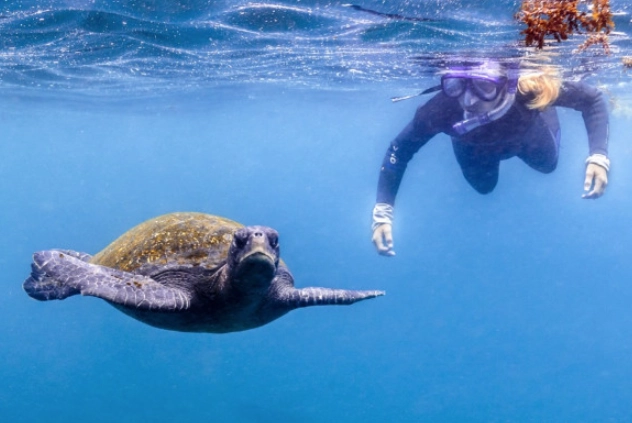
The Rare Guest Appearances
If you're lucky: Hammerhead Sharks (usually in deeper water, but sometimes seen from the surface in clear, deep channels), Manta Rays, Dolphins, and even Whale Sharks (seasonal, mainly around Wolf & Darwin islands, which are liveaboard dive-only zones).
I was so fixated on finding a penguin that I almost missed a massive Spotted Eagle Ray gliding right beneath me for a solid minute. Lesson learned: slow down, look around, and don't get tunnel vision for one species. The whole scene is alive.
When to Go: Timing Your Snorkeling in Galapagos Adventure
This is crucial. The islands have two main seasons that dramatically affect water temperature, visibility, and wildlife activity.
The Warm/Wet Season (Dec - May): Water temps are warmer (70-80°F / 21-27°C). Sounds great, right? It is, for comfort. But warmer water means less nutrients, which can mean slightly less dense marine life activity near the surface. Visibility can be lower due to plankton blooms. This is, however, prime time for sea turtle nesting and many land bird breeding. Rain showers are common but usually brief.
The Cool/Dry Season (Jun - Nov): This is when the Humboldt Current rules. Water is chilly (65-75°F / 18-24°C). A good wetsuit is mandatory. But! The cold water is nutrient-rich, attracting massive amounts of fish, sharks, and rays. Visibility is often exceptional. This is also when the Galapagos penguin and sea lion breeding is most active. The skies are clearer, but the seas can be rougher.
So, what's better?
If you hate cold water and are a fair-weather snorkeler, brave the warmer season. You'll still see an incredible amount. But if you want the most dynamic marine action and can handle the chill, the cool season is unbeatable for snorkeling in the Galapagos Islands. I went in August and while I cursed the cold for the first 30 seconds every single time, I wouldn't trade the wildlife sightings for anything.
Gear, Logistics, and Pro Tips You Won't Find in a Brochure
Okay, let's get practical. How do you actually do this?
The Gear You MUST Have
- A Good Wetsuit: Not a "maybe." A MUST. A 3mm full suit is the bare minimum for the cool season; a 5mm is smarter. Even in the warm season, a 2mm shorty or full suit will extend your time in the water comfortably. Most tour boats provide them, but they are often well-used and thin. If you feel the cold easily, consider bringing your own.
- Your Own Mask & Snorkel: A leaky, foggy mask ruins everything. A well-fitting personal mask is the best investment you can make. Prescription masks are available if you need them.
- Fins: Boat operators provide them, but if you have large or small feet, bring your own. Closed-heel fins are generally better than adjustable strap fins for power and fit.
- Anti-Fog: Baby shampoo in a small bottle works better than most commercial sprays. Just a drop, rub it in, give it a quick rinse.
- Dry Bag: For your camera, towel, and clothes on the panga ride.
Pro Tip: Put your wetsuit on before the boat ride to the site. Trying to wrestle into a damp wetsuit on a rocking panga is a comedy act you don't want to star in. Also, pee in your wetsuit. Everyone does it. It's the secret to warmth. Just give it a good rinse later.
Choosing Your Tour: Cruise vs. Day Trip vs. Shore Access
This is the big decision. How you experience snorkeling in Galapagos depends on your budget and travel style.
Liveaboard Cruises (Multi-day): The classic way. You visit remote islands (like Floreana, Española, Genovesa) with the best snorkeling sites. Everything is organized—guides, gear, meals. It's expensive but efficient. You'll get 2-3 snorkels per day. Look for itineraries that specifically highlight good snorkeling spots.
Island Hopping (Land-Based): You stay in hotels on Santa Cruz, Isabela, or San Cristobal. You book day tours to nearby sites (e.g., from Santa Cruz to Bartolomé or North Seymour). It can be cheaper and more flexible, but you spend more time in transit on day boats. The snorkeling is still fantastic, but you're limited to sites reachable on a day trip.
Shore Snorkeling: Free and accessible! Places like Concha de Perla (Isabela), Tortuga Bay (Santa Cruz), and Punta Carola (San Cristobal) offer fantastic snorkeling right from shore. Don't underestimate this. You can have world-class encounters on your own schedule.
Safety and Etiquette: The Non-Negotiables
- Never Touch Anything. Not the animals, not the coral, not the rocks. The marine iguanas' protective mucus layer can be stripped by your touch. Coral is alive and fragile. This is rule #1 for a reason.
- Buoyancy Control. Don't stand on the bottom. Kick gently to avoid stirring up sediment. If you're not a strong swimmer, use a snorkeling vest (most boats provide them).
- Listen to Your Guide. They know the currents, the entry/exit points, and the animal behavior. If they say stay close, stay close.
- Sun Protection: Wear a rash guard or wetsuit. Use reef-safe sunscreen (mandatory in Galapagos). Brands that are biodegradable and free of oxybenzone and octinoxate. Apply it at least 30 minutes before getting in the water. Better yet, cover up.
Frequently Asked Questions (The Real Ones)
I'm not a strong swimmer. Can I still snorkel in Galapagos?
Yes, absolutely. Choose your sites wisely. Opt for calm, protected bays like Concha de Perla, Tortuga Bay's Playa Mansa, or the shallower parts of Gardner Bay. Always use a flotation vest (snorkel vest), and always tell your guide. They can keep a closer eye on you or recommend the calmest area of the site. The key is honesty about your ability.
Is snorkeling in Galapagos safe with sharks?
This is the #1 fear, and the answer is a resounding yes. The reef sharks you'll encounter are small (3-5 feet), skittish, and have zero interest in humans. They see you as a large, noisy, bubble-blowing anomaly. I've had dozens glide by me, and they always change course to avoid me. The larger pelagic sharks (hammerheads, etc.) are in deep, open water and are not a surface threat. You're statistically in more danger on the car ride to the airport.
What's the number one mistake first-timers make?
Besides forgetting a wetsuit? They get too excited and swim too fast, chasing after things. You exhaust yourself and scare the wildlife. The best technique is to find a promising spot (a rocky outcrop, a sandy patch next to seaweed), float calmly, and let the wildlife come to you. Be patient. The sea lions will investigate the calm, weird floating creature. The turtle will keep eating if you don't thrash towards it.
How can I ensure my trip is ethical and sustainable?
This matters. First, choose a tour operator that is licensed by the Galapagos National Park Directorate. They have to follow the rules. Second, look for operators who support local conservation projects. Third, follow all the rules—no touching, no feeding, no littering. Your park fee goes directly to conservation. Consider donating to or learning about the work of the Charles Darwin Foundation. Tourism, when done right, is the economic engine that funds the protection of this UNESCO World Heritage Site (UNESCO Galapagos listing).
Can I use an underwater camera or GoPro?
Please do! But get a floaty handle or wrist strap. I saw a brand-new GoPro sink to the abyss on my trip. It's heartbreaking. Also, be mindful. Don't shove the camera in an animal's face. Use zoom. The constant pursuit of the "perfect shot" can ruin the actual experience for you and stress the animal.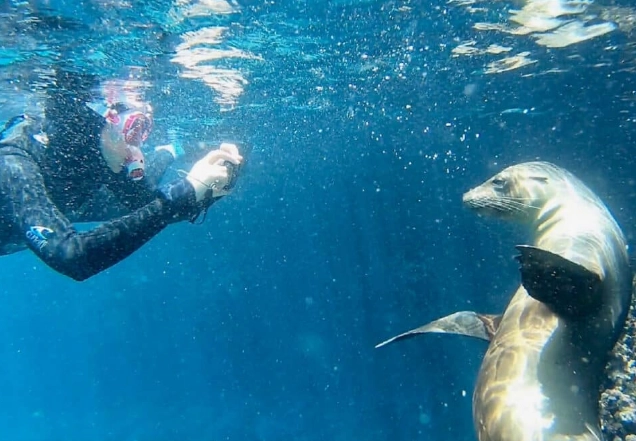
Final Thoughts: More Than Just a Swim
Snorkeling in Galapagos changed my perspective on the ocean. It's not a passive blue backdrop; it's a thriving, complex, and surprisingly accessible wilderness. It's humbling to be a guest in that world.
Yes, it's a significant trip to plan. It's not the cheapest. The water might give you a shock. But the payoff—those moments of genuine, unforced connection with creatures straight out of a nature film—is worth every penny and every shiver.
Do your research, pack a good wetsuit, manage your expectations (you might not see a penguin every day), and go in with a sense of wonder rather than a checklist.
The islands are fragile. By going, you become an ambassador. You'll come back with stories that do more than just entertain—they inspire others to care about protecting these wild places. And that might be the most important thing you bring home.
So, is snorkeling in the Galapagos worth it? Look, if you love the ocean even a little bit, it's not just worth it. It's essential.
Reader Comments