Let's cut to the chase: there is no single "best" month for snorkeling worldwide. Anyone who tells you that is oversimplifying. The perfect snorkeling window is a moving target, shifting with geography, weather patterns, and even the life cycles of the marine life you want to see. Picking the right time isn't just about comfort; it's the difference between floating over a crystal-clear, teeming reef and bobbing in murky water during a rainstorm. This guide will dismantle the generic advice and give you the specific, location-by-location knowledge to plan your ideal underwater escape.
Your Quick Snorkel Season Map
What Factors Truly Define the ‘Best’ Snorkeling Time?
Forget just checking the air temperature. You need to think like a fish. Or better yet, like a marine biologist planning a survey. Several key elements converge to create prime snorkeling conditions.
Water Temperature & Comfort: This is the most obvious one. Most snorkelers prefer water between 78°F (25.5°C) and 84°F (29°C). Colder than that, and you'll need a wetsuit—which is fine, but it's an extra piece of gear. Warmer, and it's blissful, but some tropical waters can feel like a bath. The NOAA and local marine parks often have historical sea temperature data.
Water Clarity & Visibility: This is arguably more important than temperature. You're there to see, right? Visibility is killed by rain runoff, algal blooms, and strong winds that churn up sediment. Dry seasons typically offer the clearest water. Calm seas also mean less suspended sand and silt.
Weather & Sea Conditions: Sunshine makes colors pop underwater. Calm seas make entering/exiting the water safer and more enjoyable, especially from shore. You want to avoid the peak of storm seasons. A common mistake is assuming a tropical location is always calm; monsoon and hurricane seasons bring rough surf that can shut down snorkel trips for days.
Marine Life Activity: Timing your trip can align with specific events. Think coral spawning (often after full moons in late spring/summer), whale shark migrations (e.g., Mexico's Isla Holbox in summer), or manta ray feeding aggregations. Conversely, you might want to avoid seasons with abundant jellyfish or spawning sea urchins.
Crowds and Price: The "best" weather often coincides with peak tourist season—higher prices, crowded beaches, and booked-out tours. The shoulder seasons (just before or after peak) can offer a sweet spot of good conditions and fewer people.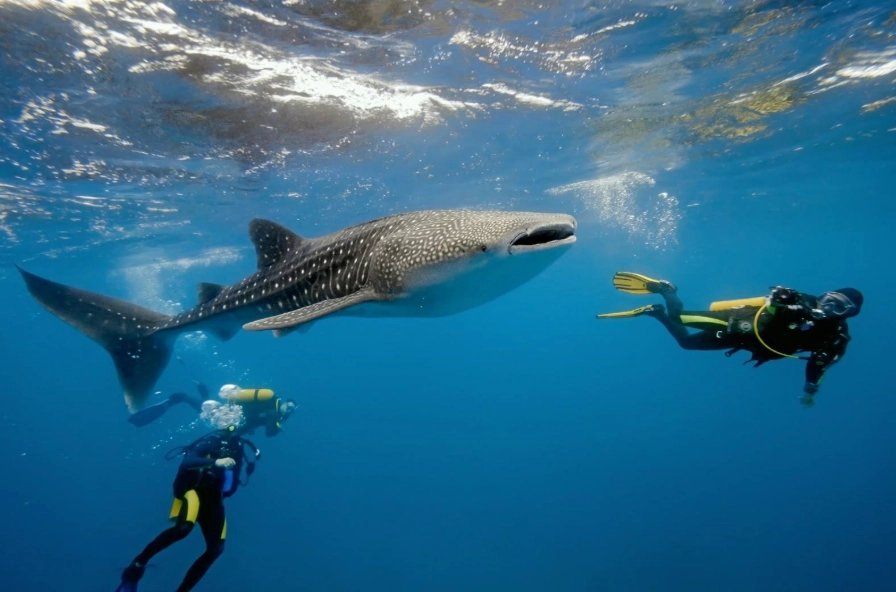
Expert Reality Check:
Most beginners over-index on water temperature. A 2-degree difference is negligible if the visibility is 100 feet versus 30 feet. I'd rather snorkel in 76°F water with perfect clarity than 84°F water where I can't see my fins. Prioritize visibility and marine life calendars over chasing the absolute warmest water.
Global Snorkeling Seasons at a Glance
This table gives you a broad overview. Remember, "Dry" and "Wet" seasons are generalizations; microclimates exist.
| Region | Prime Season (Best Conditions) | Shoulder Season (Good/Variable) | Low Season (Challenging) | Key Consideration |
|---|---|---|---|---|
| Caribbean & Bahamas | Dec - April (Dry, calm, clear) | May - June, Nov (Some rain, warming water) | July - Oct (Hurricane season, rain, possible storms) | Hurricane peak is Aug-Oct. Summer can be hot, humid, but with calm periods. |
| Southeast Asia (Thailand, Indonesia, Philippines) | Nov - April (Dry monsoon, best visibility) | May, Oct (Transition months) | June - Sept (Wet monsoon, rough seas west coast) | Seasons flip between east & west coasts. Research your specific islands. |
| Great Barrier Reef (Australia) | June - Oct (Dry, cool, stellar visibility) | April - May, Nov (Pleasant, less wind) | Dec - March (Wet, hot, stinger season) | Summer is stinger (jellyfish) season, often requiring stinger suits. |
| Hawaii | April - Oct (Calmest south shores, warm water) | March, Nov (Good conditions) | Dec - Feb (Winter swell, rain, cooler water) | North shores are rough in winter. South & west shores are year-round options. |
| Mediterranean | June - Sept (Warm, calm, clear) | May, Oct (Cooler water, fewer crowds) | Nov - April (Cold, windy, many facilities closed) | Water heats up slowly. July-August is extremely crowded. |
| Red Sea (Egypt, Jordan) | March - May, Sept - Nov (Perfect temps, calm) | June, Dec - Feb (Cooler winter, hot summer) | July - Aug (Extremely hot, some wind) | Summer heat is intense but water is warm. Winter nights are cool. |
Regional Deep Dive: When to Snorkel Where
Now let's get specific. Here’s what you need to know for major snorkeling destinations.
The Caribbean & Bahamas
The classic winter escape. December through April is postcard-perfect: low humidity, endless sunshine, and calm, turquoise seas. It's also peak pricing. I find the sweet spot is late April to early June. The water is warming up nicely, the threat of winter cold fronts is gone, and the summer crowds haven't arrived yet. You might get a brief afternoon shower, but mornings are usually pristine.
The elephant in the room is hurricane season (June-November). While the statistical peak is late August-September, I've had fantastic snorkeling in early July with glassy seas and few tourists. The key is flexibility and trip insurance. Resorts are cheaper, and if a storm isn't affecting the area, conditions can be excellent. However, algae (sargassum) blooms have become a major seasonal issue on many windward beaches from spring through summer, ruining beach access and near-shore water clarity.
Southeast Asia
This region is all about monsoon dance. The general rule: the west coast (Andaman Sea) has its dry season from November to April (think Phuket, Krabi). The east coast (Gulf of Thailand) has its dry season from January to October (Koh Samui, Koh Tao). From May to October, the west coast gets the wet monsoon—heavy rain and rough seas that can make boat trips dangerous and visibility poor. But the east coast is often sunny and calm during this time.
My advice? Don't just book "Thailand." Pick your islands based on the season. For a November trip, the Similan Islands (west) are opening up with perfect conditions. For an August trip, head to the Gulf islands. The Coral Reef Alliance notes that coral spawning here often occurs around April, a magical time for night snorkels.
The Great Barrier Reef & South Pacific
Many are surprised to learn the best time for the Great Barrier Reef is the Australian winter. June to October offers impeccable visibility (often 100+ feet), mild air temperatures, and low humidity. The water is cooler (low 70s°F), but a 3mm wetsuit is comfortable and provided on most tours. This is the dry season, so rain is rare.
Avoid the hot, wet summer (December-March). Not only is there cyclone risk and reduced visibility from runoff, but it's also marine stinger season. Box jellyfish and Irukandji are present in coastal waters, necessitating stinger suits at many beaches. Fiji and Tahiti follow a similar pattern, with their best conditions from May to October.
Hawaii
Hawaii is a year-round destination, but your experience depends on which island and which coast. Summer (April-Oct) brings calm conditions to the south and west shores—think Hanauma Bay (Oahu), Molokini Crater (Maui), and Kealakekua Bay (Big Island). Winter (Nov-March) brings massive north shore swells, making those areas unsafe for snorkeling, but the south shores remain protected.
Water temperatures vary only about 4-5 degrees year-round. Winter water can dip to 75°F, which feels brisk but is manageable. The biggest winter issue is weather systems bringing rain and wind, which can affect visibility for a few days. Spring and fall are consistently good across the board.
The Mediterranean
The Med has a short, intense snorkeling season. The water takes a long time to warm up after winter. Even in June, it can still be chilly (low 70s°F). July through September is reliably warm (77-82°F). The sea is typically calm, and visibility is good, though rarely exceeds 80 feet due to plankton.
The major drawback is the crowds. August is a European holiday month, and popular spots in Greece, Croatia, or Spain are packed. My strong recommendation is September. The water is at its warmest, the summer crowds have left, and the weather is still glorious. By October, the water cools rapidly, and many boat operators shut down.
How to Choose Your Snorkeling Window
Here’s a practical, step-by-step method to lock in your dates.
Step 1: Pinpoint Your Dream Destination. Get specific. Not "the Caribbean," but "the reefs off Roatán, Honduras" or "the Tobago Cays in St. Vincent."
Step 2: Research the Dry Season. This is your primary window for clear water and calm seas. Cross-reference with the table above.
Step 3: Check the Marine Life Calendar. Are you desperate to see whale sharks? Manta rays? Coral spawning? This might pull you to a specific month. Local dive shop websites are gold for this info.
Step 4: Weigh Crowds and Budget. Can you handle peak prices and people? If not, look at the very beginning or end of the dry season—those shoulder months.
Step 5: Embrace Flexibility. If your dates are locked, be flexible with your location. Instead of forcing a December Thailand trip (west coast wet season), switch your booking to the east coast Gulf islands.
Step 6: Consult Local Operators. Once you have a shortlist, email a reputable local snorkel tour company. Ask: "I'm considering coming in [Month]. What are typical conditions like then? Any seasonal considerations?" Their on-the-ground truth is invaluable.
Beyond the Calendar: Pro Tips for Timing Your Trip
The month is one thing. The specific conditions on the day are another.
Tides Matter More Than You Think. A high tide often means clearer water, as less sediment is stirred from the bottom. A slack tide (period between incoming and outgoing) provides the calmest current, making for easier swimming. Check local tide charts.
Time of Day is Crucial. Go early. Boat traffic is minimal, winds are usually lighter, and the sun angle provides the best light penetration. Afternoon winds (trade winds) often pick up, chopping the surface and reducing visibility. An early start also beats the crowds at popular sites.
Beware of Microclimates. An island can have a rainy, windward side and a dry, leeward side. Always plan your snorkeling for the leeward (protected) coast, which will have calmer water regardless of the season.
Have a Plan B. Even in the best season, you can get a week of rain. Research both boat-based and shore-based snorkel sites. If the wind is up on one coast, you can often drive to the other side of the island for calmer conditions.
Your Snorkeling Season Questions Answered
Is snorkeling in the rainy season always a bad idea?
Not always. It's a calculated risk. Rain doesn't fall 24/7; it often comes in intense, brief afternoon showers. Mornings can be sunny and calm. The main issues are runoff affecting near-shore visibility and the potential for larger weather systems. The rewards are lower prices, fewer tourists, and lush landscapes. I've had incredible snorkeling in Costa Rica and Fiji during their "green" seasons. Just go in with flexible expectations and solid travel insurance.
What's the single biggest mistake people make when choosing snorkeling dates?
Assuming their tropical destination has uniform weather year-round. They book a trip to Phuket in August because it's their holiday time, not realizing it's the peak of the wet monsoon on that coast. They end up with rough seas, cancelled boats, and poor visibility. Always, always research the specific seasonal weather patterns for the exact location you're visiting, not just the country.
 How important is water temperature, really? Should I only go when it's over 80°F?
It's important for comfort, but it's not the king. As I said earlier, clarity trumps a few degrees. A 3mm neoprene wetsuit extends your comfort range dramatically. It provides warmth in 72°F water, buoyancy, and protection from sun and minor scrapes. Some of my most memorable snorkeling—with incredible animal encounters—has been in cooler water (California kelp forests, New Zealand). Don't limit yourself to bathwater temperatures.
We can only travel in July or August. Where should we go for guaranteed good conditions?
"Guaranteed" is a strong word, but your best bets are locations in their dry, summer high season. Focus on: The Mediterranean, The Red Sea (though it will be very hot), Hawaii (south & west shores), The Caribbean's southern islands (Aruba, Bonaire, Curaçao) which sit outside the main hurricane belt, and the east coast of Thailand (Gulf islands). Always have a backup plan for a day or two of wind.
How far in advance should I book for the best snorkeling season?
For peak seasons (e.g., Caribbean winter, Great Barrier Reef winter), book accommodations and key tours 6-9 months in advance, especially for small lodges or popular liveaboards. For shoulder seasons, 3-4 months is usually sufficient. Last-minute deals can be found in low season, but you're gambling with weather.
Reader Comments