Let's cut to the chase. Snorkeling in Oahu is incredible, but showing up unprepared can turn a dream trip into a frustrating, or even risky, experience. I've spent years exploring these waters, from the tourist-packed bays to the hidden gems, and I've seen the same mistakes over and over. This guide isn't just a list of places. It's your playbook for navigating Oahu's underwater world like a pro—covering where to go, what to avoid, and how to do it responsibly.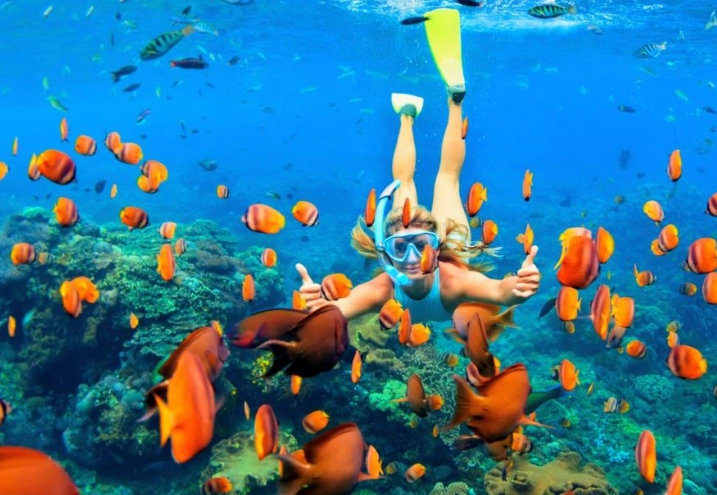
You'll find everything from the must-visit spots with all their practical details (cost, parking, hours) to the subtle tips that make a huge difference, like reading the water conditions at Sharks Cove or knowing the exact time to beat the crowds at Hanauma Bay.
Quick Navigation: Your Snorkeling Blueprint
The 3 Can't-Miss Snorkeling Spots in Oahu
Oahu has dozens of snorkeling locations, but these three offer the best combination of accessibility, marine life, and overall experience for most visitors. I'm ranking them based on a mix of factors: consistency of conditions, variety of fish, and suitability for different skill levels.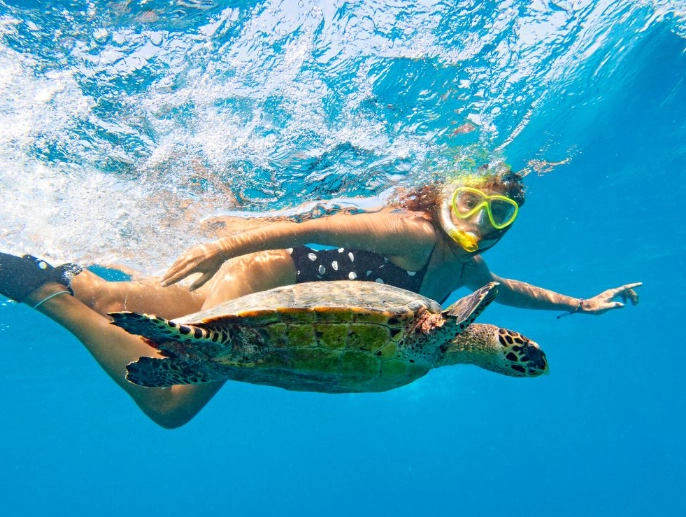
1. Hanauma Bay Nature Preserve: The Legend (With a Caveat)
Hanauma Bay is famous for a reason. It's a protected marine life conservation area and a volcanic crater that creates a near-perfect, semi-enclosed bay. The water is often calm, and the fish are abundant and accustomed to snorkelers.
Here's the reality check everyone needs: Its popularity is its biggest flaw. The "must-do" experience requires planning. You cannot just show up.
- Reservations: Mandatory. You must book online in advance at the City and County of Honolulu's official website. Tickets are released 48 hours in advance at 7:00 AM HST and sell out in minutes. Set an alarm.
- Cost: $25 per person for non-residents (12+ years). This includes an educational video.
- Hours: Closed Mondays and Tuesdays. Open 6:45 AM to 4:00 PM (last entry at 2:00 PM). Go early. The morning offers the calmest water and best visibility before the wind picks up.
- Parking: Limited and fills up fast by 8:00 AM. Cost is $3.00. Consider using the shuttle from nearby areas if you're staying in Waikiki.
- The Snorkeling: Stick to the left side (facing the ocean) for the best coral and fish life. The reef drops off gently. Don't touch the coral—it's not just a rule, it's fragile and can cut you.
My take? It's worth doing once for the spectacle, but it feels more like an aquatic theme park than a wild nature experience.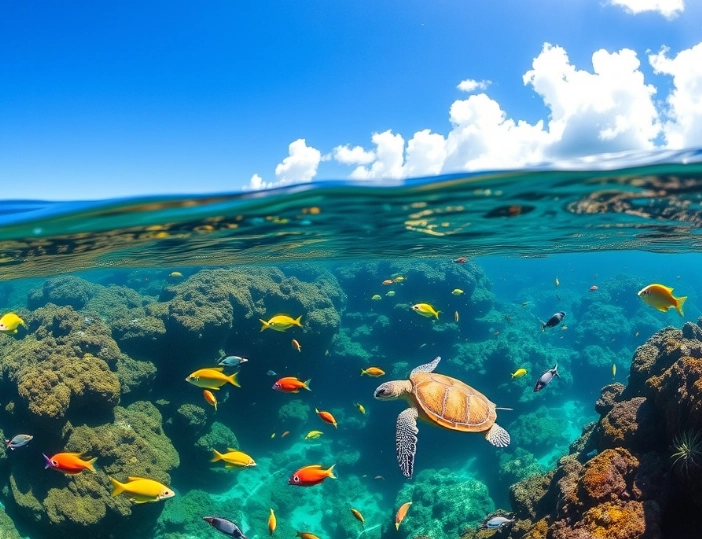
2. Sharks Cove (North Shore): The Adventurer's Playground
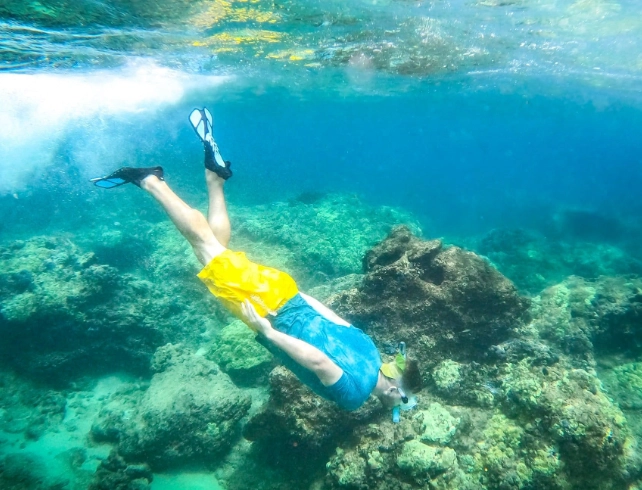
Don't let the name scare you. It's named for the shape of the cove, not an abundance of sharks. This is my personal favorite for its dramatic topography. It's a lava rock formation creating pools, channels, and caves to explore.
Critical Non-Consensus Advice: Everyone says "go in the summer." That's correct for safety, but they miss the nuance. Even on a calm summer day, surge and currents inside the cove's pockets can be strong. I've seen confident swimmers get tossed against rocks.
- Best Time: Summer months only (May-October). Winter brings massive, dangerous surf to the North Shore. The area is officially closed then.
- Cost: Free. No facilities for rental or admission.
- Parking: A small lot across the street fills quickly. Free street parking along Kam Highway is your best bet, but arrive early.
- Facilities: Outdoor showers and bathrooms are available. There are several food trucks and a grocery store nearby for post-snorkel eats.
- The Snorkeling: This is for confident beginners and above. Wear reef shoes—the entry over lava rock is sharp. Explore the main pool first, then the more protected areas to the right. The variety of fish, from parrotfish to trumpetfish, is outstanding.
3. Kuilima Cove (Turtle Bay): The Family & Beginner Haven
Looking for zero stress? Kuilima Cove, in front of the Turtle Bay Resort on the North Shore, is your spot. It's a small, man-made cove with a sandy bottom, protected by a rock wall. It's shallow, calm, and perfect for first-timers, kids, or anyone who just wants to float and relax.
- Best Time: Summer for calmest conditions. Can be swimmable in shoulder seasons, but always check the surf report.
- Cost: Free public access.
- Parking: This is the tricky part. There is a small public parking lot next to the resort. It fills up. If it's full, you can sometimes park at the resort for a fee (which can be high) or use valet with validation from a restaurant purchase.
- The Snorkeling: You're almost guaranteed to see green sea turtles (honu) here. They rest on the beach and feed in the cove. Remember: stay at least 10 feet away from all turtles—it's federal law. The fish life is decent, but the main attraction is the ease and the turtles.
It's not the most "wild" spot, but for a guaranteed pleasant experience, it's unbeatable.
| Spot | Best For | Key Consideration | Cost |
|---|---|---|---|
| Hanauma Bay | First-timers, guaranteed fish, calm water | Reservations essential, gets crowded | $25 + parking |
| Sharks Cove | Adventurers, confident swimmers, topography | Summer only, sharp rocks, surge potential | Free |
| Kuilima Cove | Families, beginners, turtle sightings | Limited parking, can be busy | Free (parking may cost) |
Snorkeling Gear: What You Really Need (and Don't)
Bad gear ruins a good day. Most rental masks leak, and cheap fins give you cramps. Here’s a breakdown from someone who’s suffered through foggy, leaky masks one too many times.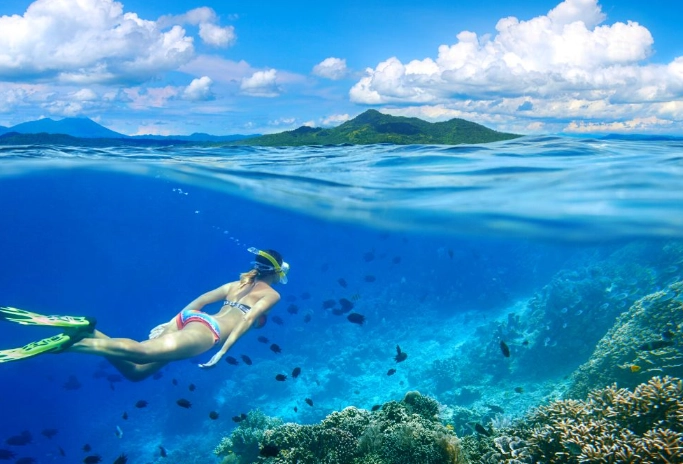
The Non-Negotiables:
- A Quality Mask That Fits: This is 80% of your enjoyment. Press the mask to your face without the strap, inhale slightly through your nose, and let go. If it stays suctioned for a few seconds, the seal is good. No hair should be under the skirt. Consider a mask with a purge valve if you're prone to getting water in.
- Snorkel with a Splash Guard or Dry Top: A simple J-tube is fine for experts. For everyone else, a splash guard prevents water from sloshing in when a wave hits. A dry-top snorkel has a float valve that seals the tube if you go underwater—great for beginners.
- Fins That Fit: They should be snug but not painfully tight. Blisters are the worst. Open-heel fins with adjustable straps are more versatile than full-foot pocket fins if you have wider feet.
- Reef Shoes: Not water shoes. Reef shoes have sturdy soles to protect against sharp coral and lava rock. You can wear them into the water and walk comfortably on shore. This is the most overlooked piece of gear.
To Rent or Buy? If you're snorkeling more than two days, buying a mid-range mask and snorkel set ($40-$80) is a wise investment for comfort and hygiene. You can always rent fins. If you're doing a single day trip, a reputable rental shop like Snorkel Bob's or Boss Frog's is fine—just test the mask fit in the store.
Reading Ocean Conditions & Staying Safe
This is where most online guides stop being useful. Knowing a spot is "good" is meaningless if you don't know how to assess it on the day you're there.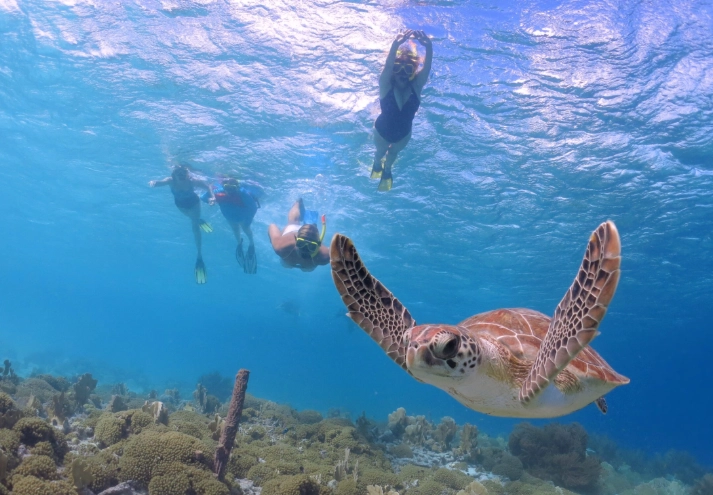
Check These Two Things Every Morning:
- Surf Report: Look at the forecast for the specific area you're visiting (North Shore, South Shore, Windward). A site like Surf News Network or the NOAA surf zone forecast is good. For snorkeling, you generally want waves under 3 feet.
- Wind Forecast: Wind chops up the water, reducing visibility. East (trade) winds typically pick up in the afternoon. Aim to snorkel before 11 AM for the glassiest conditions.
The #1 Mistake I See: People see others in the water and assume it's safe. Always do your own assessment. Look for warning signs (red flags), ask a lifeguard, and watch the water for 5-10 minutes. Can you see a consistent pattern of waves? Are people getting pulled sideways by a current?
If you feel a current pulling you out, don't swim directly against it. You'll tire and panic. Swim parallel to the shore until you're out of the current's pull, then angle back to the beach.
How to Be a Responsible Snorkeler in Hawaii
We're visitors in their home. The coral reefs are living, stressed ecosystems. The turtles and monk seals are protected by law.
- Never Touch Anything. Not the coral (it can die from the oils on your skin and you can get bad cuts). Not the turtles (it's illegal and stresses them). Not the fish.
- Use Reef-Safe Sunscreen. Chemicals like oxybenzone and octinoxate kill coral reefs. Hawaii has banned the sale of sunscreens with these chemicals. Look for mineral-based (zinc oxide, titanium dioxide) sunscreens labeled "Reef Safe." Apply it at least 15 minutes before entering the water.
- Maintain Buoyancy. Don't stand up in shallow areas. You'll likely stand on coral. Practice floating horizontally.
- Give Wildlife Space. The rule for turtles and Hawaiian monk seals is a minimum of 10 feet (3 meters). Use your zoom lens, not your proximity.
Reader Comments