What's Inside This Guide
Snorkeling in the Florida Keys isn't just another beach activity—it's a front-row seat to one of the most vibrant underwater shows on Earth. I've been diving and snorkeling here for over a decade, and every time I slip into those turquoise waters, it feels like the first time. But let's be real: without the right info, your dream trip can turn into a crowded, overpriced mess. This guide cuts through the noise.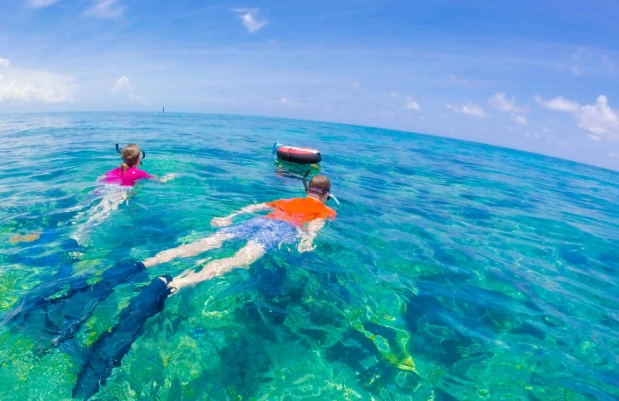
The Florida Keys stretch about 120 miles from Key Largo to Key West, hugging the only living coral barrier reef in the continental U.S. That means you're snorkeling in a national marine sanctuary, home to sea turtles, parrotfish, and brain coral that's centuries old. It's fragile, though. I've seen reefs degrade from careless tourists, so doing it right matters.
Why the Florida Keys Are a Snorkeling Paradise
First off, accessibility. You don't need a scuba certification to see amazing stuff here. The reefs are shallow, often just 5 to 30 feet deep, so even beginners can float over gardens of elkhorn coral. Water visibility averages 50 to 100 feet, especially from November to April. Compare that to murky coasts elsewhere, and you'll see why it's worth the drive down Overseas Highway.
The variety shocks people. One day you're at a state park with a sunken statue, the next you're drifting over a reef named after a shipwreck. Each key has its personality. Key Largo is the gateway, packed with operators. Marathon is family-friendly. Big Pine Key feels wilder. Key West? More party vibes, but the snorkeling tours still deliver.
Wildlife encounters are almost guaranteed. On a good day, you'll spot angelfish, barracuda (harmless if you don't provoke them), and maybe even a gentle manatee. I once spent an hour watching a spotted eagle ray glide below me at Molasses Reef—no camera could capture that feeling.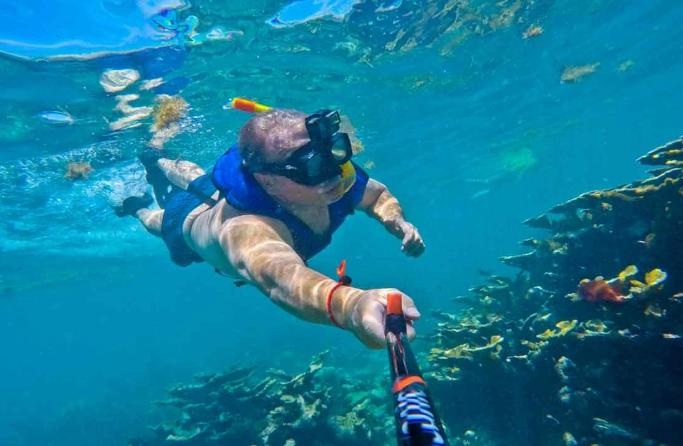
Top 5 Snorkeling Spots You Can't Miss
I've ranked these based on marine life, access, and crowd levels. Don't just follow the tour buses.
1. John Pennekamp Coral Reef State Park (Key Largo)
This is the big one. As the first underwater park in the U.S., it's managed well but gets busy. Address: 102601 Overseas Hwy, Key Largo, FL 33037. Entrance fee: $8 per vehicle (2-8 people), $4 for single occupant, $2 per pedestrian or cyclist. Open 8 AM to sunset, year-round.
You can snorkel from shore at Cannon Beach, but it's mediocre. The real action is on boat tours to the reef. The park runs tours for about $40 per adult, including gear. The Christ of the Abyss statue is iconic—a 9-foot bronze statue in 25 feet of water. Go on a weekday morning; by noon, it's a circus of fins.
What most miss: The less-hyped French Reef, part of the park, has better coral density. Ask guides if they can swing by.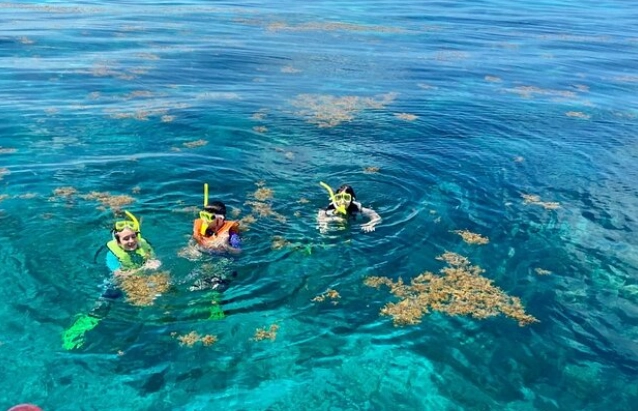
2. Looe Key Reef (Near Big Pine Key)
Looe Key is part of the Florida Keys National Marine Sanctuary, about 5 miles south of Big Pine Key. No land access—you need a boat. Tours leave from Ramrod Key or Summerland Key, costing $50-$70 per person.
This reef is pristine because it's farther out. Depths range from 5 to 35 feet, with spur-and-groove formations that create canyons. I've seen more sea turtles here than anywhere else. Currents can be strong, so it's better for confident swimmers. Operators like Looe Key Reef Resort & Dive Center are reliable.
3. Sombrero Reef (Marathon)
Marked by a historic lighthouse, Sombrero Reef is a favorite for day trips. It's about 3 miles offshore from Marathon. Tours from operators like Hall's Diving Center run $45-$60 for 3-hour trips.
The coral here is massive—mountainous star coral and brain coral. Nurse sharks often nap under ledges. It's great for all levels, but afternoon winds can chop the surface. Book a morning tour.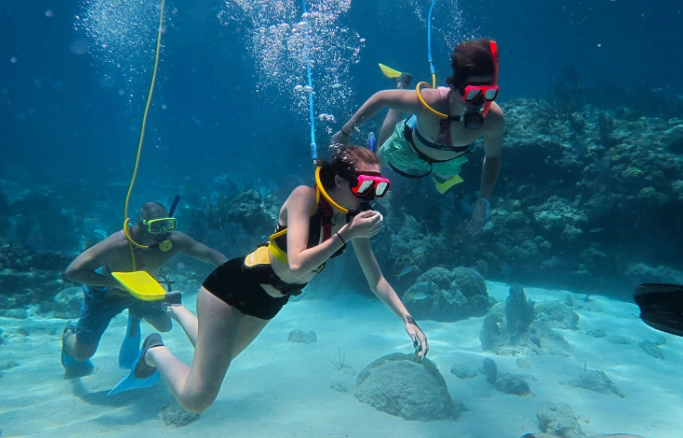
4. Molasses Reef (Key Largo)
Often overlooked for Pennekamp, Molasses Reef is actually part of the same reef system but less crowded. It's accessed via private boats or tours from Key Largo operators like Rainbow Reef Dive Center. Prices similar to Pennekamp.
Why I love it: The visibility is consistently top-notch. You'll see pillar coral and schools of blue tang. It's also a hotspot for lobster (in season), but remember, collecting requires a license.
5. Alligator Reef (Near Islamorada)
Named after a sunken ship, not actual alligators. This reef is about 4 miles off Islamorada. Tours from Holiday Isle or other marinas cost around $55.
It's deeper, with drop-offs to 60 feet, but snorkelers stick to the shallow tops. The lighthouse is a landmark. I've spotted reef sharks here—nothing to fear, but thrilling. Less developed than other spots, so bring your own snacks.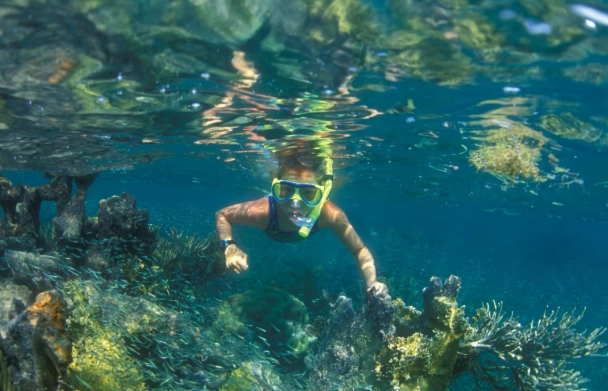
Here's a quick comparison to help you choose:
| Spot | Nearest Key | Access | Best For | Approx. Cost |
|---|---|---|---|---|
| John Pennekamp | Key Largo | Shore or boat tours | Families, first-timers | $40-$50 |
| Looe Key Reef | Big Pine Key | Boat tours only | Experienced snorkelers | $50-$70 |
| Sombrero Reef | Marathon | Boat tours | All levels, photo ops | $45-$60 |
| Molasses Reef | Key Largo | Boat tours | Clear water, avoiding crowds | $40-$55 |
| Alligator Reef | Islamorada | Boat tours | Adventure, deeper reefs | $55-$65 |
How to Plan Your Snorkeling Trip
Planning makes or breaks your experience. I've seen too many people show up at noon in August, rent leaky gear, and wonder why it's miserable.
Best Time to Visit for Snorkeling
Dry season (November to April) is prime: calm seas, visibility up to 100 feet. But it's also peak tourist season. Hotels book up, and prices spike. I prefer shoulder months like May or October—still good weather, fewer people. Summer (June to September) is hot, with afternoon thunderstorms and higher chance of jellyfish. Hurricane season runs June to November, so check forecasts.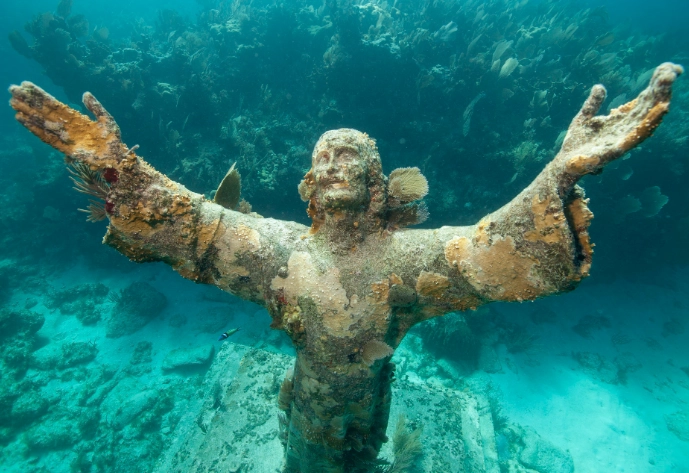
Water temperatures range from 70°F in winter to 85°F in summer. In winter, a 3mm wetsuit helps if you chill easily.
Snorkeling Tours and Operators: How to Pick the Right One
Not all tours are created equal. Big companies pack 50 people on a boat; smaller outfits limit to 15. Here's what to look for:
- Group size: Ask directly. Under 20 is ideal for personal attention.
- Guide knowledge: Good guides point out subtle things, like a cleaning station where fish get groomed.
- Gear quality: Check if masks are silicone (not plastic) and fins adjustable. Some include anti-fog spray.
- Sustainability practices: Do they brief on no-touch rules? Operators certified by the Florida Keys National Marine Sanctuary are better.
Recommended operators based on my experience:
- Key Largo: Rainbow Reef Dive Center—their snorkel boats are spacious, and guides are marine biologists. Tours around $45.
- Islamorada: Holiday Isle Snorkeling—fun vibe, but can be loud. Good for groups.
- Key West: Fury Water Adventures—efficient but crowded. Book the earliest slot.
Book online in advance, especially for weekends. Cancellation policies vary; read the fine print.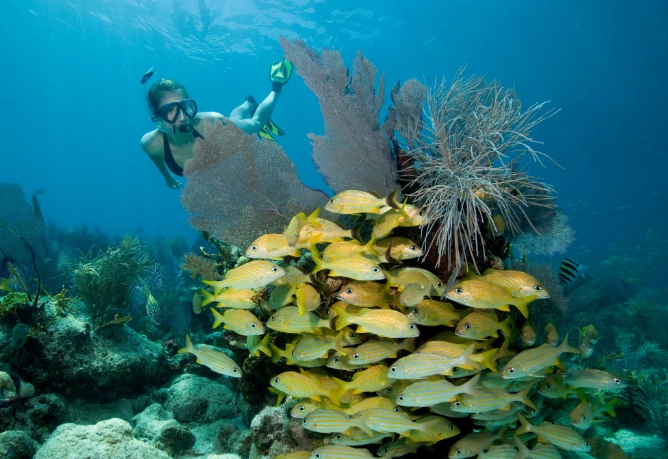
Accommodation and Logistics
Stay near your chosen spots to minimize driving. Overseas Highway (U.S. 1) is scenic but slow with traffic.
- Key Largo: Hotels like Marina Del Mar Resort offer snorkel packages. Rates $150-$300 per night.
- Marathon: Tranquility Bay Beach House Resort is family-friendly, with easy access to Sombrero Reef.
- Camping: Bahia Honda State Park has sites for $36 per night, but book months ahead.
Parking at popular spots like Pennekamp fills by 10 AM. Arrive early or use shuttle services from Key Largo.
Essential Gear and Pro Tips
Gear matters more than you think. Renting is okay, but if you snorkel often, invest in your own mask. A leaky mask ruins everything.
Must-haves:
- Mask: Silicone skirt for comfort. Try brands like Cressi or TUSA.
- Snorkel: Dry-top snorkel prevents water entry when diving down. Worth the extra $20.
- Fins: Open-heel fins with booties protect against blisters. Full-foot fins are lighter but less adjustable.
- Rash guard: Protects from sun and jellyfish stings. UPF 50+.
Sun protection is critical. Use reef-safe sunscreen only—chemicals like oxybenzone kill coral. Brands like Badger or Blue Lizard are available at local shops. The Florida Keys ban non-reef-safe sunscreens, but enforcement is spotty. Do your part.
Hydration is sneaky important. Salt water dehydrates you. Bring a water bottle on the boat.
Common Mistakes to Avoid (Local's Advice)
Here's the stuff you won't find on brochures. I've made some of these errors myself.
Over-trusting buoyancy aids. Many tours give out pool noodles or life vests. Great for safety, but they make you float high, so you kick coral accidentally. Practice floating horizontally without aid in a pool first.
Chasing wildlife. I've seen people swim after sea turtles, stressing them out. Move slowly, let them come to you. It's not a zoo.
Ignoring currents. Reefs have tidal flows. At Looe Key, I once got swept away from the group—had to signal the boat. Always listen to the guide's briefing on current direction.
Skimping on footwear. Walking on boat decks or rocky shores barefoot? Bad idea. I cut my foot once at Pennekamp. Wear water shoes or sandals.
Assuming all tours include everything. Some charge extra for gear, parking, or park fees. Read reviews on TripAdvisor for hidden costs.
Reader Comments