If you're thinking about snorkeling in the Bahamas, you're in for a treat. The water here isn't just clear—it's like swimming in liquid glass. I've spent over a decade exploring these waters, and let me tell you, it's easy to get it wrong if you don't know the secrets. This guide cuts through the hype and gives you the real deal on where to go, what to bring, and how to avoid the crowds that ruin the magic.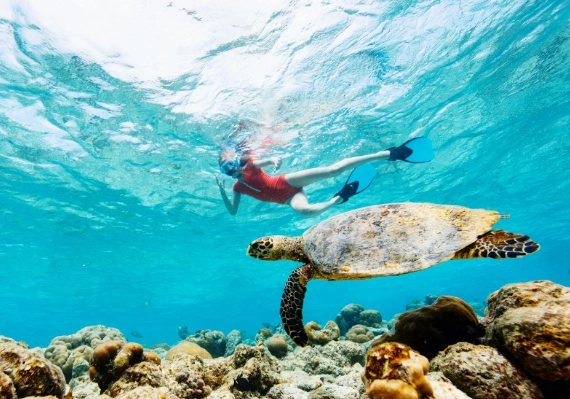
What You'll Find in This Guide
Why the Bahamas is a Snorkeler's Dream: More Than Just Clear Water
Most people rave about the visibility, but that's just the start. The Bahamas has over 700 islands and cays, each with unique marine ecosystems. According to the Bahamas National Trust, the protected areas like the Exuma Cays Land and Sea Park are teeming with life you won't find elsewhere. I remember my first dive near Andros—the coral gardens were so vibrant, it felt like swimming in a living painting. But here's the kicker: many tourists stick to the popular spots near Nassau and miss out on the hidden gems.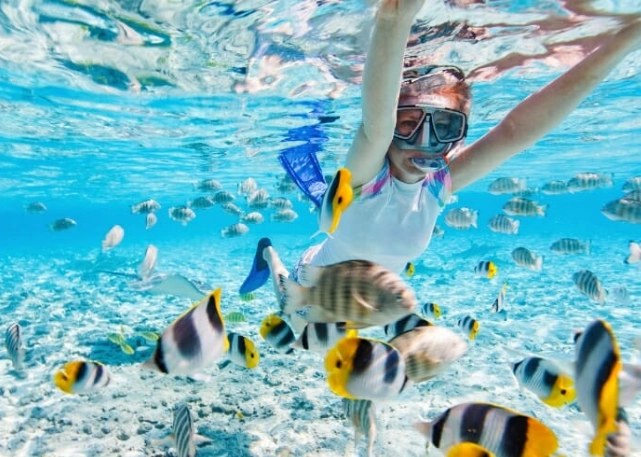
The water temperature stays between 75°F and 85°F year-round, so you can snorkel anytime. However, peak season from December to April brings crowds. If you go in May or November, you'll have more space to yourself. Trust me, nothing beats having a reef all to yourself.
Top 5 Snorkeling Spots in the Bahamas You Can't Miss
Forget the generic lists online. Based on my trips, these are the spots that deliver every time. I've included practical details so you can plan without hassle.
| Spot Name | Location/Address | Key Features | Best Time to Visit | How to Get There |
|---|---|---|---|---|
| Thunderball Grotto | Near Staniel Cay, Exuma Cays | Underwater caves from James Bond films, vibrant fish | Low tide (check local charts) | Boat tour from Staniel Cay or George Town |
| Exuma Cays Land and Sea Park | Northern Exuma Cays, protected area | Pristine coral reefs, sharks, sea turtles | Year-round, but April-June for calm seas | Charter boat from Nassau or George Town |
| Dean's Blue Hole | Long Island, near Clarence Town | World's deepest blue hole, unique geological formation | Morning hours for best light | Flight to Long Island, then taxi to site |
| Rose Island Reefs | East of Nassau, New Providence | Easy access, great for beginners, shipwrecks | Weekdays to avoid crowds | Short boat ride from Nassau marinas |
| Andros Barrier Reef | Andros Island, west of Nassau | Third-largest barrier reef, diverse marine life | Summer months for warmer water | Flight to Andros, then local guide |
Thunderball Grotto is stunning, but go at low tide—I made the mistake of going at high tide once and struggled with the current. For Exuma Cays, book a tour with a licensed operator like Exuma Water Sports; they know the hidden channels. Dean's Blue Hole isn't just for divers; snorkelers can explore the edges and spot rare fish. Rose Island is convenient but can feel like a tourist trap if you pick a cheap group tour. Andros is remote, so bring your own gear or rent from lodges like Small Hope Bay Lodge.
Hidden Gem: Conception Island Wall
Few talk about Conception Island, a protected area south of Cat Island. It's a bit of a trek—you need a private boat from George Town—but the wall drop-offs are insane. I saw a school of eagle rays there last year. No facilities, so pack water and snacks.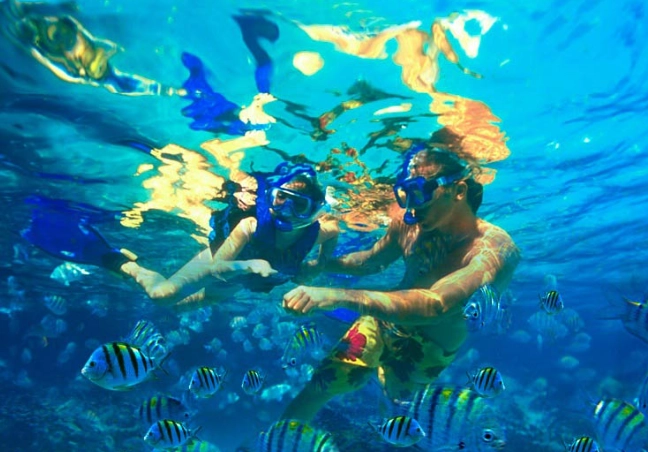
How to Plan Your Bahamas Snorkeling Trip: A Step-by-Step Guide
Planning can make or break your trip. Here's a straightforward approach I've refined over the years.
Step 1: Choose Your Base. Nassau is convenient but crowded. For a quieter experience, stay in the Exumas or Eleuthera. Flights to these islands from Miami or Fort Lauderdale are common, but book early—seats fill fast.
Step 2: Book Tours in Advance. Don't wait until you arrive. Top operators like Bahamas Ferries or local charters get booked weeks ahead. I recommend half-day tours; full-day ones can be exhausting under the sun.
Step 3: Check Entry Requirements. U.S. citizens need a passport valid for six months. No visa for short stays, but always verify on the Bahamas government website for updates.
Step 4: Budget Wisely. A decent snorkeling tour costs $80-$150 per person. Add accommodations: $150-$300 per night for mid-range hotels. Food is pricey—expect $20-$30 per meal at casual spots.
I learned the hard way: skipping travel insurance is a risk. A friend got stung by a jellyfish and had to visit a clinic; insurance saved him hundreds.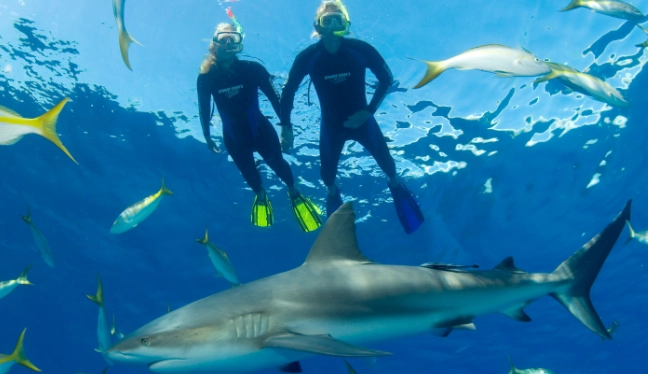
Essential Snorkeling Gear for Bahamas Waters: What You Really Need
Most guides list basic gear, but here's what matters for the Bahamas. The sun is brutal, and the saltwater can ruin cheap equipment.
- Mask and Snorkel: Get a silicone mask with a tempered glass lens. I use the Cressi Panoramic Mask—it doesn't fog up easily. Avoid full-face masks; they're not recommended by professionals for safety reasons.
- Fins: Open-heel fins with adjustable straps. The currents can be strong, so you need good propulsion. I've seen people struggle with short travel fins.
- Rash Guard: Not just for sun protection. It prevents chafing from life jackets. A long-sleeve one is best.
- Waterproof Bag: For your phone and keys. Saltwater damage is real—I lost a phone to a wave once.
Rentals are available, but quality varies. In Nassau, shops like Brown's Boat Rental have decent gear. For remote islands, bring your own. Don't forget reef-safe sunscreen; regular sunscreen harms coral. Brands like Stream2Sea work well.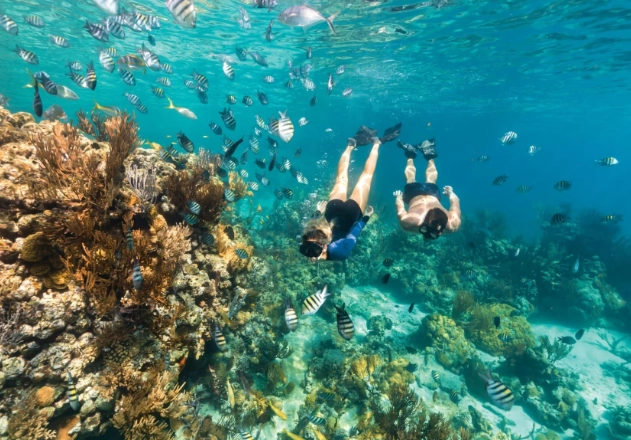
Snorkeling Safety and Local Etiquette: Don't Be That Tourist
Safety isn't just about avoiding sharks—it's about respecting the environment. The Bahamas has strict laws on marine protection.
First, always snorkel with a buddy. I've had close calls with boat traffic near popular spots. Second, watch for currents, especially around blue holes and grottos. Check weather reports; the Bahamas Department of Meteorology provides updates.
Local etiquette matters. Don't touch the coral—it's fragile and can die from oils on your skin. I've seen tourists break off pieces as souvenirs; it's illegal and fines can be hefty. Also, avoid feeding fish; it disrupts their natural behavior.
If you're not a strong swimmer, use a flotation device. Many tours provide life vests, but ask beforehand. Some operators skimp on safety to cut costs.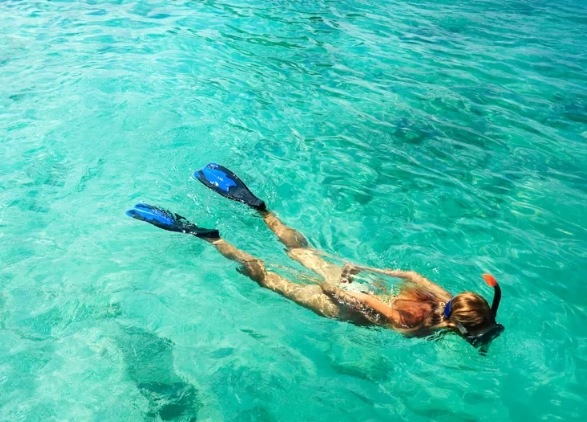
Frequently Asked Questions
Is snorkeling in the Bahamas safe for beginners who aren't strong swimmers?
Yes, but pick your spots carefully. Rose Island or shallow reefs near Grand Bahama are ideal. Always wear a life vest and go with a guided tour—they'll keep an eye on you. I've guided beginners who panicked in deep water; a calm guide makes all the difference.
What's the biggest mistake people make when snorkeling in the Bahamas?
Overestimating their stamina. The sun and saltwater drain you faster than you think. I recommend starting with short sessions, like 30 minutes, and hydrating well. Also, people forget to defog their masks; use baby shampoo diluted with water—it works better than commercial sprays.
Are there any hidden costs for snorkeling tours in the Bahamas?
Often, yes. Some tours charge extra for gear rental or park fees. For example, entering Exuma Cays Land and Sea Park may have a conservation fee of $10-$20. Always ask what's included. I once booked a "budget" tour that didn't include lunch, and I was stuck hungry on a remote cay.
Can I snorkel in the Bahamas without booking a tour?
It's possible but tricky. Public beaches like Cable Beach in Nassau have accessible reefs, but the best spots require a boat. Renting a private boat costs $200-$500 per day, and you need navigation skills. For most people, a tour is safer and more informative.
What marine life should I be cautious of while snorkeling?
Jellyfish and sea urchins are common. I got stung by a mild jellyfish near Andros; vinegar helped soothe it. Sharks are usually harmless if you don't provoke them. The real danger is stepping on coral or rocks—wear water shoes. According to the Caribbean Marine Biodiversity Program, most incidents involve human error, not wildlife.
Snorkeling in the Bahamas is more than a checklist—it's about immersing yourself in a vibrant world. Start planning early, pack smart, and respect the ocean. You'll come back with stories that last a lifetime. If you have more questions, drop a comment below; I love sharing tips from my adventures.
Reader Comments