Let's be honest. The idea of snorkeling with dolphins sits near the top of many people's bucket lists. It's not just another activity; it's the promise of a genuine, wild connection. But between the dreamy Instagram posts and the glossy brochures, there's a lot of confusion—and frankly, some outright bad advice. Having spent over a decade guiding and participating in marine encounters from the Caribbean to the South Pacific, I've seen the magic, but I've also seen the cringe-worthy mistakes that can ruin the experience for everyone, especially the dolphins.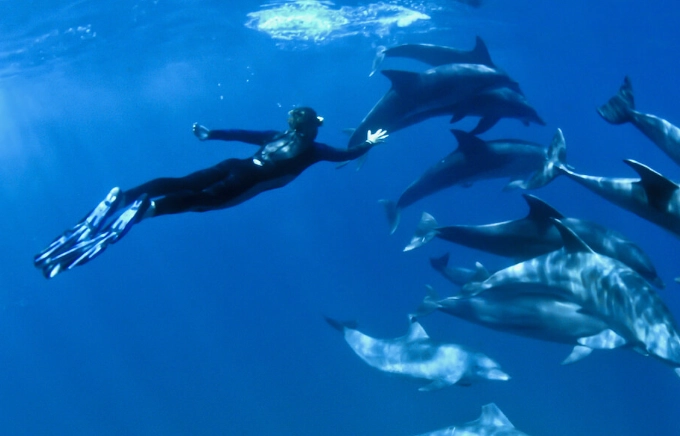
The key isn't just finding a tour. It's about understanding the difference between a respectful observation and a disruptive chase. It's about knowing which spots offer a real chance for a natural interaction versus a staged performance. This guide cuts through the noise. We'll cover where to go, how to pick a tour that puts the animals first, what gear actually matters, and the subtle etiquette that most first-timers completely miss.
Your Quick Dive Plan
Where to Snorkel with Dolphins: A Curated Guide
Location is everything. You want a place where dolphins are naturally curious and tours operate sustainably. I'm skeptical of any "guaranteed sighting" promise—wild animals aren't performers. The spots below have strong reputations for ethical encounters, but your experience will always depend on the day, the pod, and a bit of luck.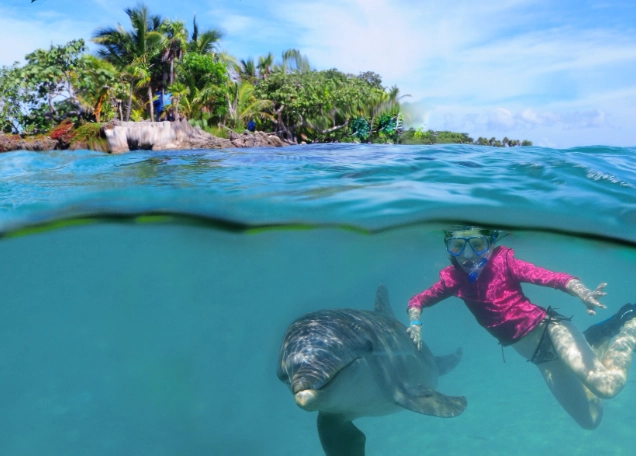
Top 3 Global Destinations for Reliable Encounters
| Destination | Best Time to Visit | Dolphin Species | Experience Vibe & Notes | Approx. Tour Cost (USD) |
|---|---|---|---|---|
| Kaikōura, New Zealand | Nov - Apr (Summer) | Dusky Dolphins | Open ocean encounters. Dusky dolphins here are famously acrobatic and curious. Tours are strictly regulated by the Department of Conservation. You're a visitor in their vast playground. Water can be chilly. | $120 - $180 |
| Bimini, The Bahamas | May - Sep | Atlantic Spotted Dolphins | Shallow, warm sand banks. Dolphins often approach boats voluntarily. Focus on "dolphin swim" not "dolphin watch." Some operators have decades-long relationships with specific pods. Avoid any that promise touching. | $200 - $250 |
| Azores Islands, Portugal | Jun - Oct | Common, Bottlenose, Spotted | Volcanic island backdrop. High probability of sightings. Many operators are also researchers. Trips can involve searching, making the eventual find more rewarding. Sea conditions can change rapidly. | $80 - $120 |
Other notable mentions: The Red Sea near Hurghada, Egypt (for spinner dolphins), and certain areas of Hawaii (like Kealakekua Bay), though regulations there are extremely tight for good reason.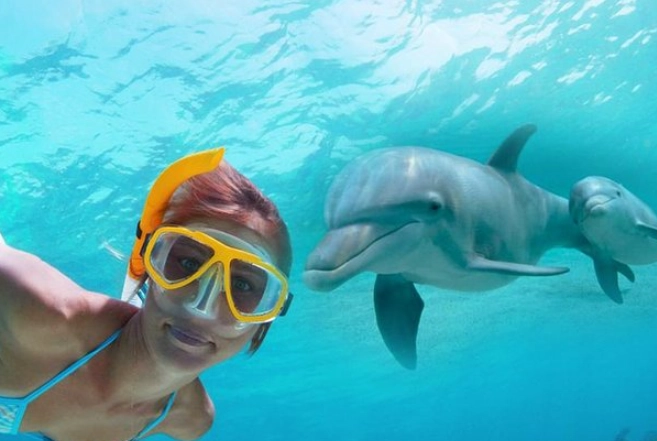
I remember one morning off Kaikōura. We'd been searching for an hour, just following seabirds. Then, a pod of a hundred dusky dolphins appeared, not for the boat, but to ride the bow wave on their own terms. We slipped in quietly, and for twenty minutes, they zipped around us, completely in control. That's the gold standard—an invitation, not an interruption.
How to Choose a Responsible Dolphin Snorkeling Tour
This is the most critical decision you'll make. A bad operator can stress the animals and leave you feeling guilty. Here’s how to vet them like a pro:
Look for these green flags:
- Small Group Sizes: Anything over 12-15 people in the water at once is a red flag. Look for tours that cap snorkeler numbers, often 8-10 max.
- Clear, Published Guidelines: Their website should explicitly state rules: no touching, no feeding, maintaining distance, no chasing. If it's not front and center, be wary.
- Marine Biologists on Staff: Or partnerships with research institutes. This isn't just a marketing gimmick; it means they contribute to science and understand animal behavior deeply.
- "Dolphin Led" Philosophy: The best descriptions say things like "we let the dolphins approach us" or "the encounter is on their terms."
Ask these specific questions when booking:
- "What is your protocol if dolphins are resting or nursing?" (The answer should be: we observe from a distance and do not enter the water).
- "How do you approach a pod?" (They should describe a slow, parallel approach, never heading directly at them).
- "Do you contribute to any local dolphin conservation or research projects?"
Gear You Actually Need (And What's Overhyped)
You don't need the fanciest equipment, but the right basics make a huge difference in your comfort and ability to enjoy the moment.
The Non-Negotiables:
- A Well-Fitting Mask: This is priority one. Foggy, leaking masks ruin everything. Do the "suck test"—place the mask on your face without the strap, inhale slightly through your nose. It should seal and stay put. Consider a low-volume mask for a wider field of view. Apply a tiny bit of toothpaste to the lens and rinse it off before your first use to prevent fogging—an old diver's trick that works better than most sprays.
- A Comfortable Snorkel: A simple J-shaped snorkel is often better than a complex dry snorkel for beginners. Dry snorkels can have more resistance when breathing. Just make sure the mouthpiece doesn't hurt your gums.
- Fins That Fit: Blisters are the enemy. They should be snug but not crush your toes. Open-heel fins with booties are more adjustable and comfortable for most people than full-foot fins.
- Exposure Protection: Even in warm water, you can get cold after 30+ minutes. A 2-3mm neoprene "shorty" or full wetsuit is essential for warmth, buoyancy, and protection from the sun. In cooler places like New Zealand, a 5mm suit is a must.
What You Can Skip:
- Underwater Camera (as a beginner): If you've never snorkeled with dolphins before, your focus should be on the experience, not fumbling with settings. The best operators often have a photographer on board who can capture the moment for you. If you must bring one, use a simple GoPro on a wrist strap—not a selfie stick, which can be intrusive.
- Excessive Jewelry: Dangly earrings or bracelets can snag on gear. Keep it simple.
In-Water Etiquette: The Unwritten Rules
This is where most people, even with good intentions, mess up. It's not complicated, but it requires shifting your mindset from "me" to "them."
The Golden Rule: Be Boring and Predictable. Sudden movements, splashing, and loud noises are alarming. Enter the water calmly, preferably by rolling backward off the boat side or using a ladder. Once in, float calmly. Let your body language be relaxed.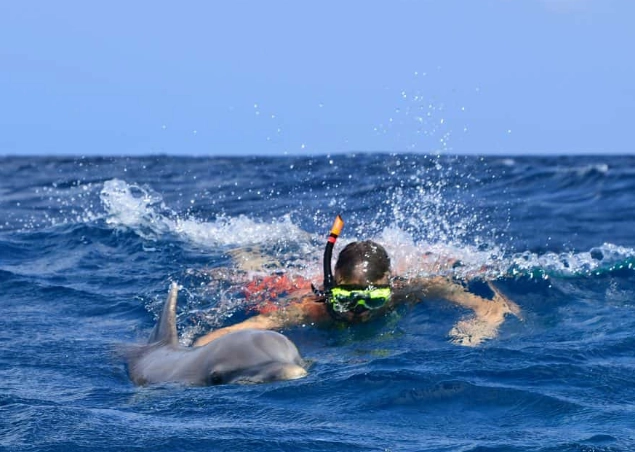
Never, ever chase a dolphin. If they're interested, they'll come to you. If they swim away, let them go. Swimming aggressively after them is the fastest way to end the encounter. I've seen entire pods vanish because one excited snorkeler started kicking furiously towards them.
Eye contact is okay, but don't stare them down. A soft gaze is fine. Darting your eyes around to follow every movement can be perceived as predatory behavior.
Position yourself horizontally. Treading water vertically makes you look like a tall, strange pillar. A horizontal, streamlined pose is less threatening and more dolphin-like.
Listen to your guide. They're watching the pod's behavior for signs of agitation (like rapid changes in direction, tail slaps). If they say "back to the boat," go immediately, no questions.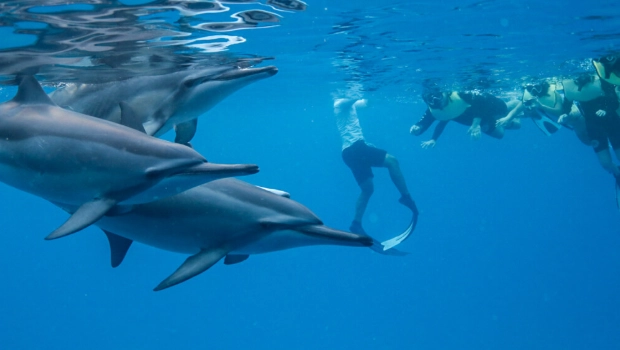
Planning Your Trip: A Step-by-Step Checklist
Let's make this actionable. Here's your pre-trip to-do list:
2-3 Months Before:
- Research & Book Your Tour: Use the criteria above. Book early, especially for peak season in popular spots. Small, ethical tours fill up fast.
- Check Travel Requirements: Passport, visas, any specific entry rules for your destination.
- Consider Travel Insurance: Get a policy that covers adventure activities and trip cancellation. Weather can cancel tours.
1 Month Before:
- Get Comfortable in the Water: If you're not a strong swimmer, take a few refresher lessons. Practice floating and calm breathing with your snorkel in a pool.
- Test Your Gear: Buy or rent your mask, snorkel, and fins and try them out. A leaking mask is a crisis you can solve at home, not on the boat.
- Book Accommodation: Stay near the tour departure point to avoid a stressful morning commute.
1 Week Before:
- Pack Smart: Swimsuit, rash guard, wetsuit, snorkel gear, reef-safe sunscreen (mandatory in many places), towel, seasickness medication (take it *before* you feel sick), a hat, and a reusable water bottle.
- Confirm Your Tour: Re-check the meeting time and location. Download any waivers if provided.
The Day Before:
- Hydrate well. Avoid excessive alcohol.
- Charge your camera batteries.
- Get a good night's sleep.
Your Questions, Answered Honestly
Is snorkeling with dolphins safe for non-swimmers?
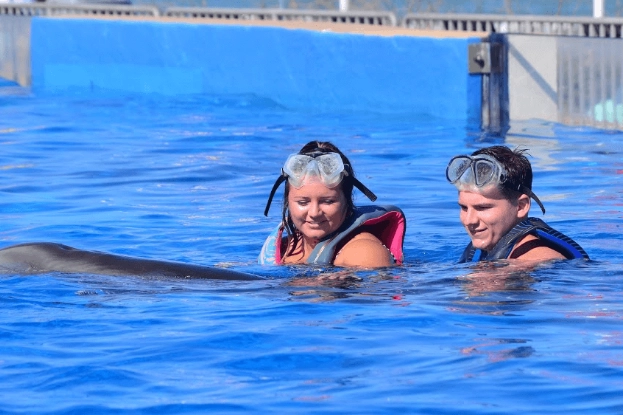
Most reputable operators require participants to be confident swimmers. You'll be in open water, sometimes with currents, and need to manage your gear and buoyancy without panicking. If you're not comfortable, it's safer and more enjoyable for everyone to choose a dolphin watching tour from the boat. Some operators offer floatation vests, but relying on one entirely isn't fair to you or the crew who might need to assist you.
What's the one mistake you see beginners make that instantly ruins the mood for the pod?
The "reach out and touch" instinct. It's almost reflexive. But touching a dolphin disrupts their protective slime coat, can transmit bacteria, and is a major boundary violation. It signals that you're not a respectful observer. The guides will be furious, and rightfully so. The most profound connections happen when there's a respectful distance. You're sharing space, not petting a dog.
We're planning a family trip to Hawaii. Are dolphin snorkel tours there ethical?
Hawaii has some of the strictest marine mammal protection laws in the world (under the Marine Mammal Protection Act and local regulations). It is illegalto actively approach, swim with, or harass Hawaiian spinner dolphins within 50 yards in their nearshore resting bays. Many operators have shifted to respectful morning "watch-only" tours before the dolphins head out to sea to feed. Be extremely wary of any company in Hawaii advertising a guaranteed "swim-with" experience for spinner dolphins—it's likely not operating within the law. For other species in different habitats, research is key.
How can I tell if the dolphins are enjoying the interaction or are stressed?
Learn to read their behavior. Positive signs: They approach curiously, swim around you in loops, make eye contact, or play with seaweed/bubbles. Stress signs: They change direction abruptly and repeatedly, slap their tails forcefully on the water (a warning), emit loud, rapid echolocation clicks, swim in a tight, synchronized group away from you, or exhale forcefully at the surface. If you see stress signs, calmly move back towards the boat. A happy pod sticks around; a stressed one leaves.
Reader Comments