Floating silently in the clear, spring-fed water of Crystal River, watching a 1,000-pound manatee glide right beneath you—it’s not just a snorkeling trip. It’s a moment that sticks with you. The first time I did it, I remember holding my breath (and not just for the snorkel). The sheer size and gentle curiosity of these animals is humbling. But here’s the thing most blogs don’t tell you: a bad trip can stress the manatees and ruin your experience. It’s not just about finding a tour; it’s about finding the right one and knowing how to act in their home.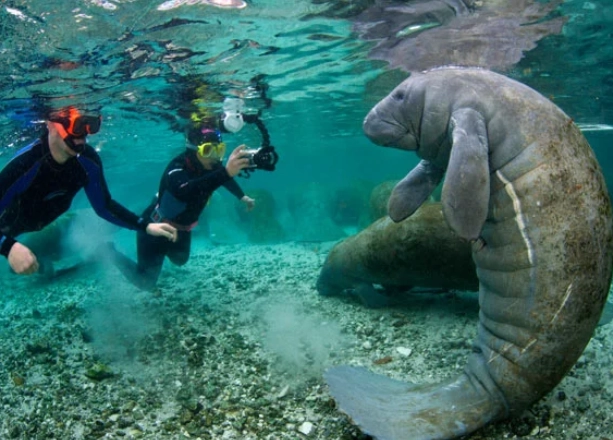
This guide cuts through the noise. I’ve been down to Crystal River multiple times over the last decade, sometimes with perfect results, other times learning from crowded boats and disappointed fellow snorkelers. I’ll give you the exact, actionable info you need to plan an ethical, unforgettable encounter with Florida’s beloved sea cows.
Your Manatee Snorkeling Journey at a Glance
Where and When to Snorkel with Manatees
You can’t just snorkel with manatees anywhere in Florida. The epicenter is Crystal River, specifically Kings Bay. This network of springs maintains a constant 72°F (22°C) year-round, making it a vital warm-water refuge for manatees when Gulf of Mexico temperatures drop.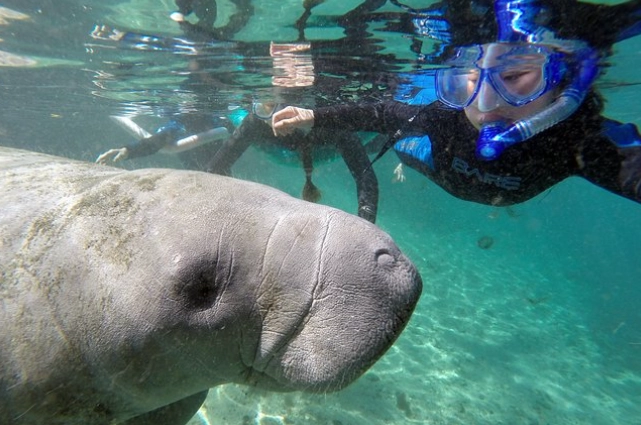
Best Season: Mid-November through March. This is manatee season. Hundreds congregate here. Outside this window, you might see a few resident manatees, but the guaranteed spectacle is in the winter. I went once in early December and counted over fifty from the boat before we even got in the water.
Key Spots: Most tours operate out of marinas in Crystal River, Florida (zip code 34428). The main action happens in the Crystal River National Wildlife Refuge, particularly in areas like Three Sisters Springs (access is often regulated), Hunter Springs, and the canals around Kings Bay. You don’t pick the spot—your guide does, based on that day’s manatee sightings and sanctuary zone rules.
How to Choose a Responsible Manatee Tour Operator
This is the single most important decision you’ll make. A good operator prioritizes manatee welfare and education; a bad one treats them like underwater attractions. Look for these signs: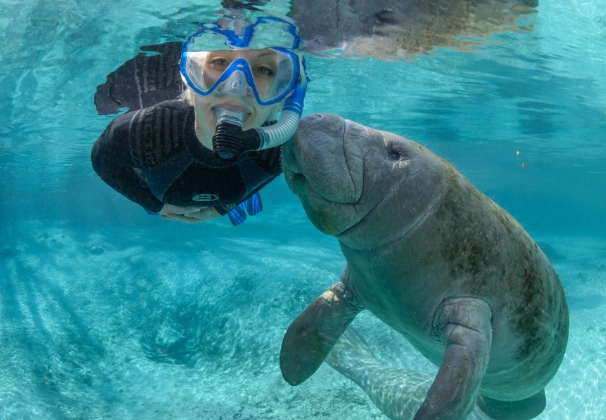
Smaller Groups: Avoid the big barges that dump 30 people in the water at once. Opt for operators that limit groups to 10 or fewer snorkelers per guide. Less noise, less crowding, better experience for everyone—human and manatee.
Mandatory Orientation: Reputable companies require a short video or talk from the Florida Fish and Wildlife Conservation Commission (FWC) on manatee etiquette before you go out. If they skip this, red flag.
Guide Credentials: The best guides are often master naturalists or have years of local experience. They’ll explain manatee behavior, not just point at them.
Here’s a quick comparison of a few well-regarded operators based on my observations and community feedback: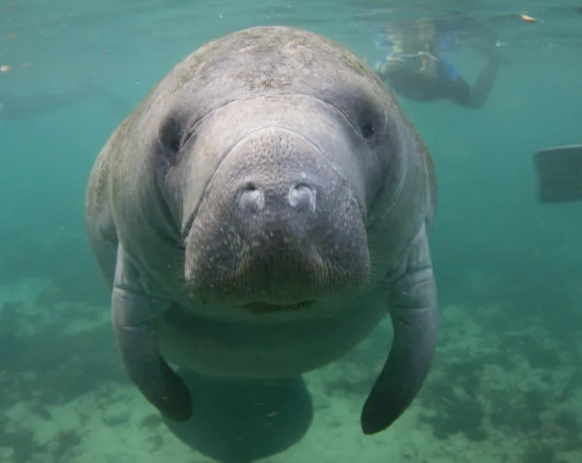
| Operator | Group Size | Key Feature | Approx. Price (3-hr tour) |
|---|---|---|---|
| Bird's Underwater | Small (6-10 per guide) | Photography-focused, very eco-conscious | $75 - $85 |
| Crystal River Manatee Tours | Varies, offers private tours | Family-run, flexible scheduling | $60 - $80 |
| River Ventures | Moderate (10-15) | Includes wetsuit, known for good briefings | $55 - $70 |
You’ll need to book well in advance for peak season weekends. Most tours start early, around 7 AM, because manatees are more active and the water is less crowded. The afternoon sun is nicer, but so is sleeping in—pick your priority.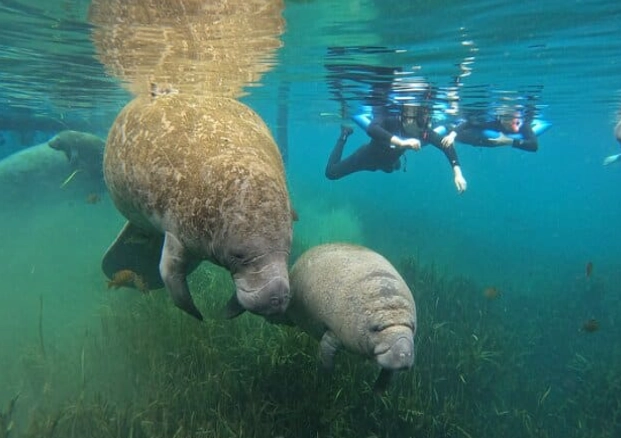
How to Behave in the Water with Manatees
This is where most first-timers, despite good intentions, mess up. The goal is to be a passive observer, a piece of floating driftwood.
The Float Don't Chase Rule: Use your snorkel, float calmly on the surface, and let your feet drift up behind you. Kicking and splashing sounds like a predator to them. If a manatee swims away, let it go. Never swim after it. The magic happens when you stay still and a curious one comes to check you out.
The Touch Question: Federal law says you cannot initiate touch. However, if a manatee rolls over and brushes against you, that’s okay. It’s a rare and special moment. Resist the urge to reach out and pet it. Their skin is sensitive, and human touch can disturb the protective biofilm layer. I’ve seen people ruin a perfect encounter by getting too handsy and spooking the animal.
Minimize Noise: Talk quietly on the boat and use minimal splashing when entering the water. Sound travels far underwater.
A Common Mistake Even Good Swimmers Make
They try to dive down to get a closer look. This is almost always a mistake. Manatees are buoyant and often feed or rest just below the surface. Diving down puts you in their vertical space and can startle them. The best view is from above, looking down as they pass underneath you. It gives you the full scale of their size.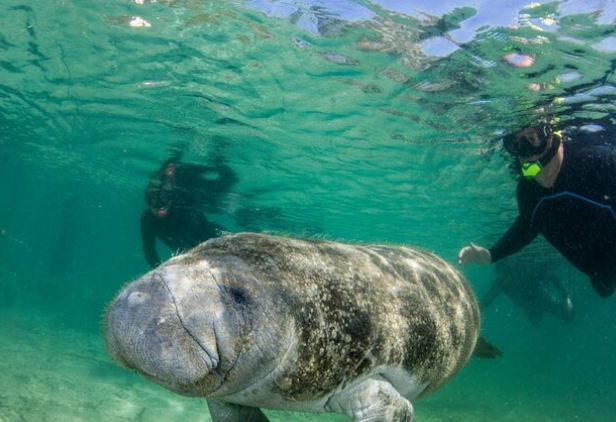
What to Bring for Your Manatee Snorkel Trip
Most tours provide mask, snorkel, wetsuit, and floatation noodles. Your job is to bring the right extras.
Must-Haves: - A GoPro or waterproof camera with a floaty handle strap. Dropping a camera on a manatee is a disaster. - Biodegradable, reef-safe sunscreen. Regular sunscreen chemicals harm the spring ecosystem. Apply it at least 30 minutes before getting wet. - A warm change of clothes for after. Even with a wetsuit, you’ll get a chill coming out of 72°F water on a 60°F morning. - Water and a snack. Snorkeling is more tiring than you think.
What to Wear: A swimsuit under your clothes. The provided wetsuits are usually shorties. If you get cold easily, ask if they have a full suit or bring a rash guard to wear underneath.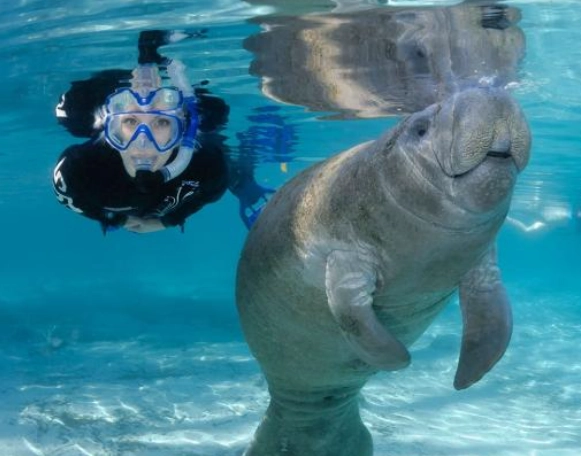
Planning Your Trip: Logistics & Costs
Crystal River is about 80 miles north of Tampa. You’ll likely fly into Tampa International Airport (TPA) or Orlando International Airport (MCO). From Tampa, it’s a 1.5-hour drive. Renting a car is essential.
Where to Stay: - Plantation on Crystal River: A resort with its own marina and dive shop. Convenient but can be pricey. - Holiday Inn Express Crystal River: Reliable, good value, central location. - Local Vacation Rentals: Lots of options on platforms like Vrbo, good for families or groups.
Book your hotel and tour simultaneously if going in peak season. Rooms fill up.
Budget Breakdown (Per Person): - Tour: $55 - $85 - Wetsuit Rental (if not included): $10 - $15 - Tips for Guide: $10 - $20 (they earn it) - Accommodation (per night): $100 - $250 Plan for at least a two-night stay. Do your manatee snorkel on the full day in between.
Your Manatee Snorkeling Questions Answered
Snorkeling with manatees is a privilege. It’s seeing a vulnerable species in its last best refuge. Doing it right—choosing an ethical operator, following the rules, and practicing passive observation—ensures this incredible experience remains possible for generations to come. The memory of a manatee looking you right in the eye, then slowly rolling over to glide away, is worth every bit of the planning.
Reader Comments