There's a moment, just as you slip into the water, when everything goes quiet. The boat noise fades, your own breathing becomes a rhythmic soundtrack, and then you see them. Shadows gliding over the sand, wings moving with a slow, effortless grace. Snorkeling with stingrays isn't just another item on a bucket list; it's a direct ticket to feeling like you've stepped into a different, more serene world. But between that dream and the reality lies a gap filled with questions about safety, location, and the right way to behave. Having logged countless hours in the water from the Caribbean to the South Pacific, I've seen the magic done right, and I've cringed at the mistakes that stress both animals and people. This guide is here to bridge that gap.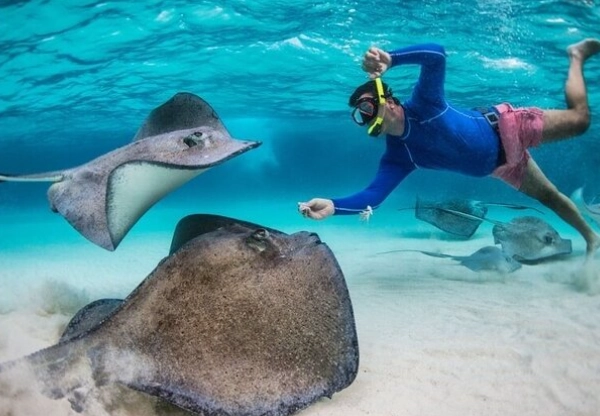
Your Stingray Snorkeling Blueprint
Where to Find the Best Stingray Snorkeling
Not all stingray encounters are created equal. Some are in deep, murky channels where you get a fleeting glimpse. The legendary spots are shallow, clear sand flats where rays congregate, often accustomed to human presence. Here’s a breakdown of the top destinations, based on accessibility, water conditions, and the consistency of encounters.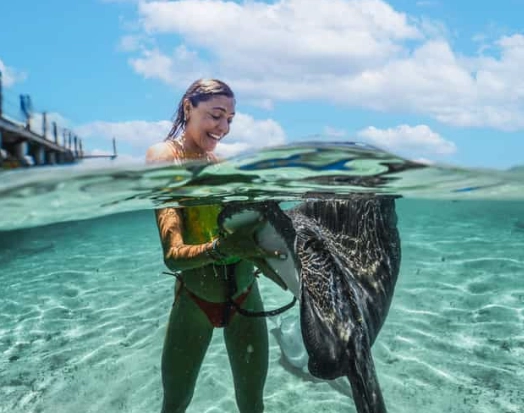
| Destination & Key Spot | Ray Species & Vibe | Best Time to Visit & Conditions | How to Book & Pro Tip |
|---|---|---|---|
| Grand Cayman, Cayman Islands Stingray City (the original sandbar) |
Southern Stingrays. Dozens of large, friendly rays in 3-5 ft crystal water. Highly interactive. | Year-round. Calmest seas: April-June. Water: 80-84°F (27-29°C). Visibility: 80-100 ft. | Book a morning tour to avoid the midday crowds. Operators like Stingray Sailing or Red Sail Sports are reputable. Avoid the giant party boats if you want a calmer experience. |
| Bora Bora, French Polynesia The Lagoon near the motus (islets) |
Blacktip & Stingrays. Often combined with shark feeding. More "wild" feeling than Cayman. | May-October (dry season). Water: 79-84°F (26-29°C). Visibility is exceptional. | Usually part of a lagoon tour. Maohi Nui or your resort's concierge can arrange. Don't touch the blacktip reef sharks that are often in the same area. |
| Hammerhead Point, Turks & Caicos (off South Caicos) |
Southern Stingrays & Eagle Rays. A cleaning station where rays come to be serviced by fish. Less crowded, more natural behavior. | June-September. Advanced snorkelers only due to occasional current. Deep water (~25ft). | Book through dive shops on Providenciales like Caicos Adventures. This is for observing natural behavior, not hand-feeding. |
| Aitutaki Lagoon, Cook Islands One Foot Island sandbar |
Young stingrays. Incredibly clear, warm, shallow water. A intimate, less commercialized experience. | April-November. Arguably the world's most beautiful lagoon. Seclusion is the key. | Book a lagoon cruise from Aitutaki. It's remote, so plan your trip around this. The rays are curious but not fed, so interactions are on their terms. |
I have a soft spot for the less-frequented spots. On a trip to the Exumas in the Bahamas, we found a secluded sandbar where a small group of rays would visit daily. No tours, just nature's schedule. It felt more special than the famous, crowded sites. That's the trade-off: accessibility versus authenticity.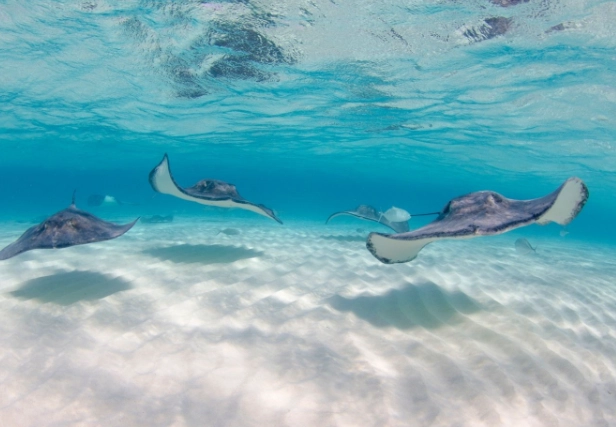
Stingray Safety: Myths, Facts, and Non-Negotiables
Let's address the elephant in the room: the sting. The fear is massively overblown by sensational stories. Stingrays are not aggressive. They are shy, bottom-dwelling creatures whose primary defense is camouflage. The famous (and extremely rare) incidents almost always happen when a ray is accidentally stepped on or pinned against something.
Your In-Water Safety Protocol
- The Shuffle: If you must walk in ray habitat (entering from a beach, not a sandbar), shuffle your feet through the sand. This creates vibrations that scare rays away long before you get close enough to step on them.
- Respect the Tail: Never, ever grab or chase a ray from behind. The tail is a defensive weapon. Always approach from the side or front, within their field of vision.
- Listen to Your Guide: Reputable guides will give a thorough briefing. They know the individual rays, their behavior, and the safe way to handle food (if feeding is part of the experience). If a guide seems careless or lets people get rowdy, it's a red flag.
- Mind Your Fins: Be aware of your fin tips. Wild kicking can startle rays or hit other snorkelers. Use slow, deliberate flutter kicks.
According to guidelines from the Great Barrier Reef Marine Park Authority, passive observation is always the safest and most sustainable practice. Feeding should only be done under strict, controlled conditions by licensed operators.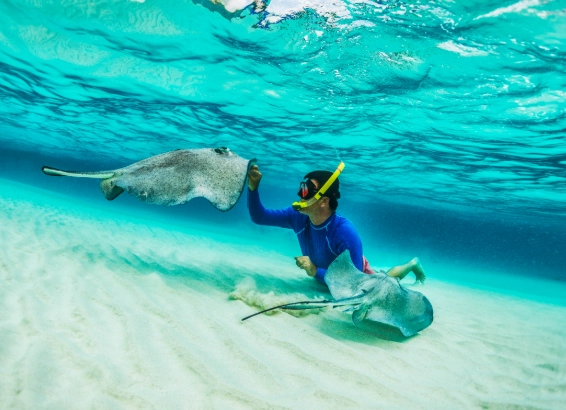
How to Interact with Stingrays (The Right Way)
So you're in the water, a ray is gliding toward you. What now? The goal is to be a calm, interesting part of their environment, not a scary predator or an annoying pest.
The Correct Posture: Stay horizontal. Extend one arm slowly, fist clenched or palm flat (as instructed by your guide if feeding). Let the ray come to you. Their mouths are on their underside, so they may glide right over your hand. The sensation is like wet velvet—firm yet soft. It's unforgettable.
What Not to Do (The Cringe List): I've seen people try to hug rays, lift them out of the water for a photo, or poke their eyes (which are on top of their body). This is incredibly stressful for the animal. Rays need water flowing over their gills to breathe. Lifting them is like holding a pillow over someone's face. Don't be that person. Also, avoid touching their dorsal side excessively; they have a protective mucous coating that our hands can damage.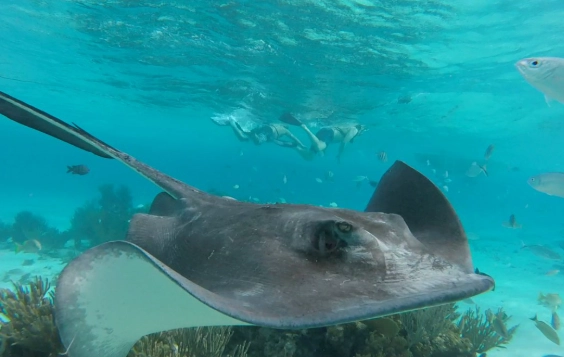
Reading Their Body Language: A happy, curious ray moves slowly and deliberately. If one quickly changes direction, flicks its tail, or buries itself in the sand, it's saying "leave me alone." Respect that and move on. The interaction should be on their terms.
Gear You Actually Need vs. Tourist Traps
You don't need a $500 mask, but the right gear makes a world of difference between a struggle and pure enjoyment.
- Mask & Snorkel: The #1 priority. A leaky, foggy mask ruins everything. Get a silicone-skirted mask that seals well on your face (no beard gaps!). Test it in a pool first. A dry-top snorkel is worth it—it prevents water from sloshing in when you're looking down.
- Fins: Open-heel fins with booties are superior to full-foot fins for snorkeling. They give you more power, protect your feet from hot decks and rough surfaces, and are more comfortable. Don't rent the short, stiff "duck feet" if you can avoid it.
- Rash Guard/Long-Sleeve Swim Shirt: Non-negotiable. It protects your back from the equatorial sun (sunscreen washes off) and can prevent minor scrapes. A 2mm shorty wetsuit is even better for warmth and protection.
- What to Skip: Underwater camera gloves (you shouldn't be touching anything), giant, unwieldy "action camera" floats that get in everyone's way, and any jewelry that can snag.
My personal rule: if I'm flying to a world-class site, I'm bringing my own mask, snorkel, and booties. Renting is a gamble. I once got a mask so scratched it was like looking through wax paper.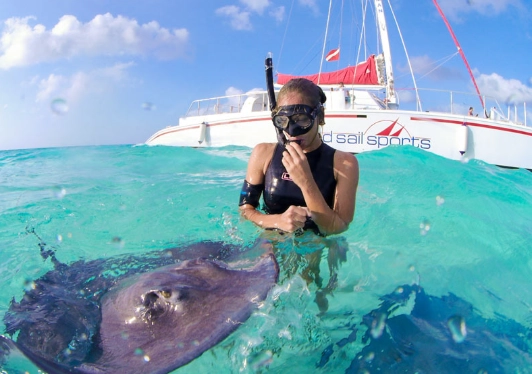
Answers to the Questions You're Actually Asking
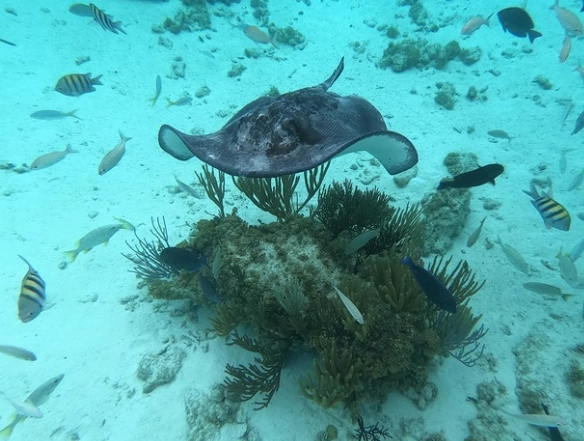
Snorkeling with stingrays is more than a photo op. It's a lesson in moving slowly, observing carefully, and respecting another creature's space. When you get it right, you're not just a tourist in the water; you're a guest. And that's a feeling that stays with you long after the salt has washed off.
Reader Comments