Let's be honest. When you're packing for a snorkeling trip, the snorkel vest often gets tossed in as an afterthought, if it's included at all. Most rental outfits provide them, but they're usually bulky, faded, and smell vaguely of mildew. You might wonder if you even need one. Here's the thing: a good snorkel vest isn't just a piece of mandatory safety equipment for tour operators. In the right hands, it's a tool that transforms your experience in the water. It's the difference between fighting to stay afloat and relaxing completely to watch a turtle glide by. This guide isn't about pushing the most expensive gear. It's about understanding what a snorkel vest actually does, how to pick one that works for you, and how to use it to snorkel with more confidence and less fatigue.
What You'll Learn in This Guide
What is a Snorkel Vest and Why Do You Need One?
A snorkel vest is a personal flotation device (PFD) specifically designed for surface snorkeling. Unlike a life jacket (or US Coast Guard-approved Type I, II, or III PFD), it's not meant to turn an unconscious person face-up. Its primary job is to provide adjustable buoyancy. You can add a little air for a confidence boost or deflate it almost completely for easy diving. I think the biggest misconception is that it's only for weak swimmers. Even strong swimmers benefit. It conserves energy. After an hour of kicking against a current, that extra floatation lets you rest without heading back to the boat or shore. It also provides a psychological comfort zone that lets you focus on the fish, not your stamina.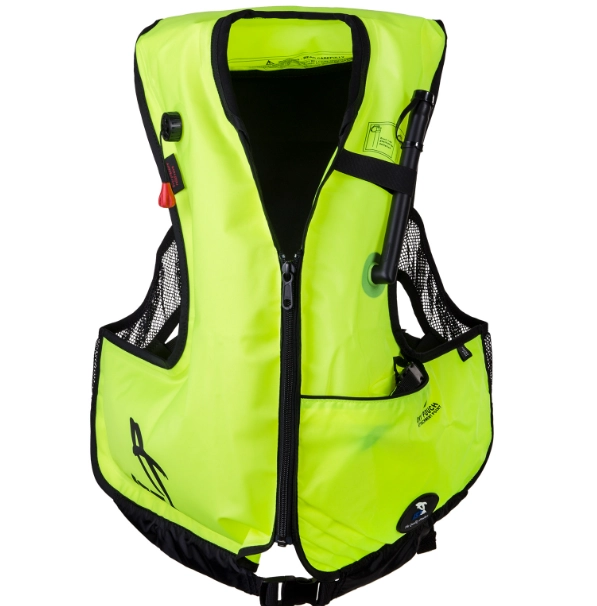
How to Choose a Snorkel Vest: A Step-by-Step Guide
Walking into a dive shop or browsing online can be overwhelming. You'll see vests from $30 to over $150. The price isn't just about branding; it's about materials, durability, and features that matter in real-world use.
Step 1: Understand the Two Main Types
This is your first and most crucial decision.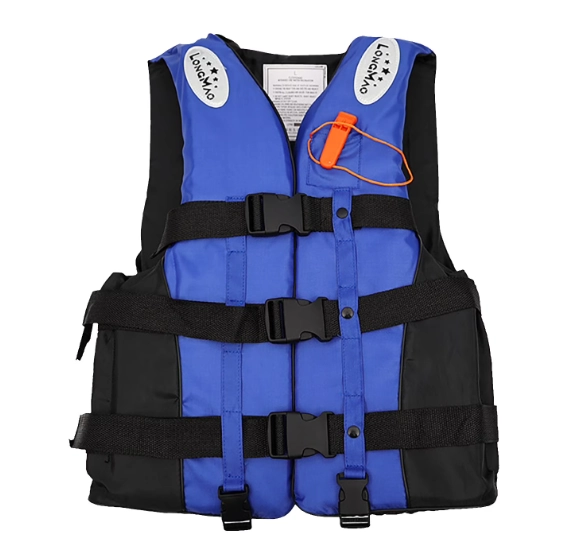
| Feature | Oral Inflation Vest | Foam Vest |
|---|---|---|
| Buoyancy Source | Air bladder you inflate/deflate manually via a tube. | Solid, sewn-in foam panels. |
| Key Advantage | Adjustability. You control your floatation precisely. Deflate to dive down, inflate to rest. | Simplicity & Reliability. No parts to fail. Always provides consistent buoyancy. |
| Biggest Drawback | Can puncture (though modern bladders are tough). Requires you to manage air. | Zero adjustability. It's always on, which can be cumbersome if you want to free dive even a few feet. |
| Packability | Excellent. Deflates to a small, flat package. | Poor. Bulky and rigid, takes up suitcase space. |
| Best For | Travelers, those who want to duck-dive, confident snorkelers who value control. | Beginners, anxious swimmers, kids, or situations where simplicity is king. |
My personal take? For 90% of adult snorkelers, a good oral inflation vest is the way to go. The control it offers is a game-changer. Foam vests feel like you're wearing a rigid board, and trying to dive under to get a closer look at something is a real struggle.
Step 2: Get the Right Fit (It's Not About Height)
This is where most people go wrong. They look at the "S/M/L/XL" chart based on height. Ignore that. The only measurement that truly matters is chest circumference. A vest that's too loose will ride up around your neck when you're in the water. One that's too tight is uncomfortable and restricts breathing. Use a soft measuring tape around the widest part of your chest. Match that number to the manufacturer's size chart, not the generic one on Amazon. A proper fit should be snug but not constricting when deflated.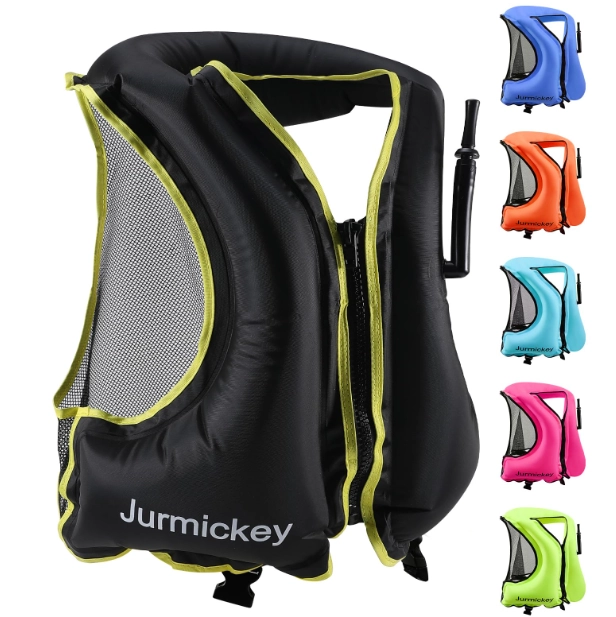
Step 3: Evaluate Key Features Beyond the Basics
Once you've chosen a type and size, look at these details that separate a decent vest from a great one.
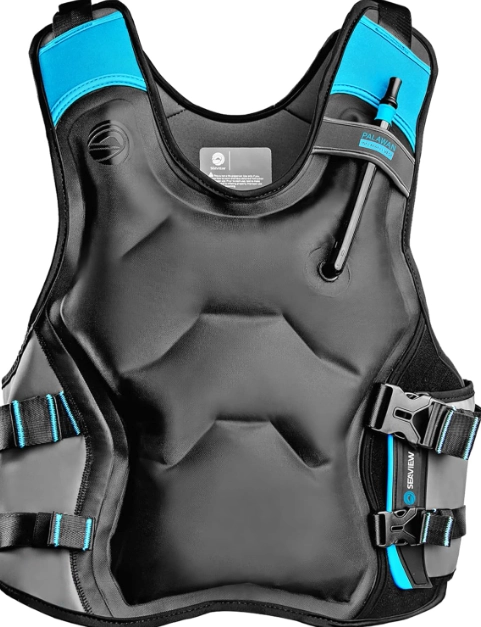
- The Valve System: For oral inflation vests, the valve is everything. A good one has a simple push/pull mechanism for inflation and a large, easy-to-press dump valve for quick deflation. Test it in the store if you can. Stiff, complicated valves are a nightmare when your hands are wet.
- Material & Durability: Look for reinforced nylon (like 420D or 840D) with PVC or TPU bladders. TPU is more environmentally friendly and resistant to UV degradation and oils. Check the stitching—double or triple stitching on stress points is a good sign.
- Waistband & Buckles: A wide, padded waistband does more than just secure the vest. It distributes pressure and stops the vest from riding up. Quick-release buckles are standard, but make sure they feel robust, not flimsy.
- Pockets & D-Rings: Handy for storing a snorkel keeper, defogger, or a small underwater camera. Not essential, but a nice bonus for organization.
Common Snorkel Vest Mistakes (And How to Avoid Them)
I've been guiding snorkel trips for a decade, and I see the same errors repeatedly. Avoiding these will instantly make you a more competent snorkeler.
Over-inflating. This is the number one error. People blow until the vest is rock hard, thinking it's safer. It's not. An over-inflated vest is unstable. It wants to push you onto your back, making it harder to stay in a facedown snorkeling position. It also makes diving down impossible. Inflate just enough so that when you relax, your mouth and nose are comfortably above water.
Treating it like a life jacket. Remember, it's an aid, not a guaranteed lifesaver. You still need basic swimming skills and situational awareness.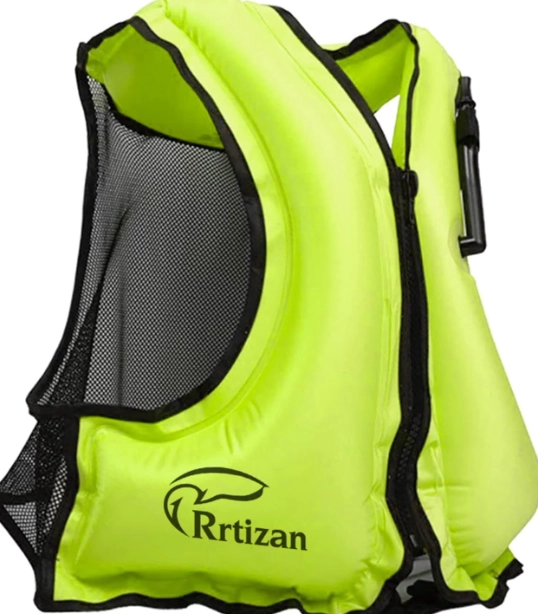
Not checking the rental gear. If you're using a provided vest, do a quick check. Inflate it fully and listen/feel for leaks. Ensure the buckle works. I've seen more than one broken buckle held together by a zip tie.
Wearing it over everything. Put the vest on before your mask and snorkel. Otherwise, the strap will get tangled. It seems obvious, but you'd be surprised.
How to Use Your Snorkel Vest Correctly: A Pre-Snorkel Checklist
Let's run through the correct sequence. It takes two minutes and sets you up for success.
- Pre-inflate on land. Give it 3-4 breaths of air. This makes it easier to put on in the water.
- Enter the water. Walk or step in from a ladder. Don't jump in with it fully inflated—the impact can stress the seams.
- Fine-tune your buoyancy. Once floating, take a normal breath, hold it, and see where you sit. Add or release air in small bursts until you feel neutrally buoyant with lungs full, and you sink gently when you exhale fully. This is your sweet spot.
- To dive: Exhale deeply to reduce lung buoyancy, and use a gentle duck-dive motion. The vest will offer little resistance if it's mostly deflated.
- To surface and rest: Simply stop kicking. The vest will bring you up. Add a puff of air if you want to float effortlessly.
Caring for Your Snorkel Vest to Make It Last
A vest can last years with minimal care. The enemy is sun, salt, and sand.
After every use, rinse it thoroughly with fresh water, especially the buckles and valve. Let it dry completely in the shade before packing it away. Never store it wet or damp—that's how mold grows inside the bladder. For long-term storage, keep it partially inflated in a cool, dry place. Rolling or folding it tightly for months can crease and weaken the bladder material.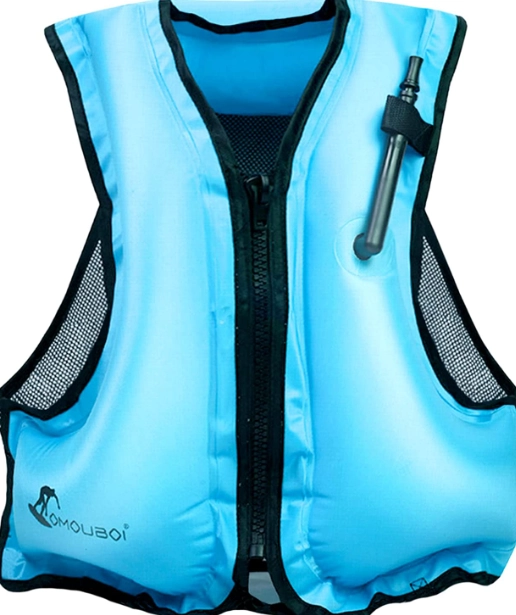
Your Snorkel Vest Questions, Answered
Is a snorkel vest safe for non-swimmers or someone with anxiety in the water?
It provides significant assistance and is highly recommended for building confidence. However, it is not a substitute for supervision or basic water comfort. A non-swimmer should always be within arm's reach of a competent buddy or guide, even with a vest. For anxiety, the adjustable nature of an oral inflation vest is perfect—start with more air for maximum support, and as you relax, you can let a little out to feel more in control.
Can I use a snorkel vest for scuba diving or as a substitute for a BCD?
Absolutely not. This is a critical safety distinction. Scuba diving requires precise buoyancy control at depth, which a snorkel vest cannot provide. Using one for scuba could lead to an uncontrolled, dangerous ascent. A snorkel vest is for surface use only. Always use equipment certified and designed for the specific activity, as emphasized by training organizations like PADI.
My rental snorkel vest has a CO2 cartridge. Should I use it?
Those are emergency inflation cartridges. They are typically single-use and designed for a situation where you need instant, full buoyancy and cannot inflate orally (e.g., injury, extreme fatigue). Do not use it for routine inflation. If you accidentally pull the tag, the vest will become over-inflated and difficult to manage. Use the oral tube for all normal adjustment.
How do I know if a snorkel vest is U.S. Coast Guard approved?
Most recreational snorkel vests are not USCG-approved as Type I-III life jackets. They are considered a "Type V" Special Use Device, which means they are acceptable for the specific activity of snorkeling under certain conditions, often requiring they be used under supervision. Look for the label inside the vest. If it's USCG-approved, it will state the type and approval number. Don't assume a vest is a legal life jacket for boating—it likely isn't. The U.S. Coast Guard website has detailed information on PFD classifications.
Reader Comments